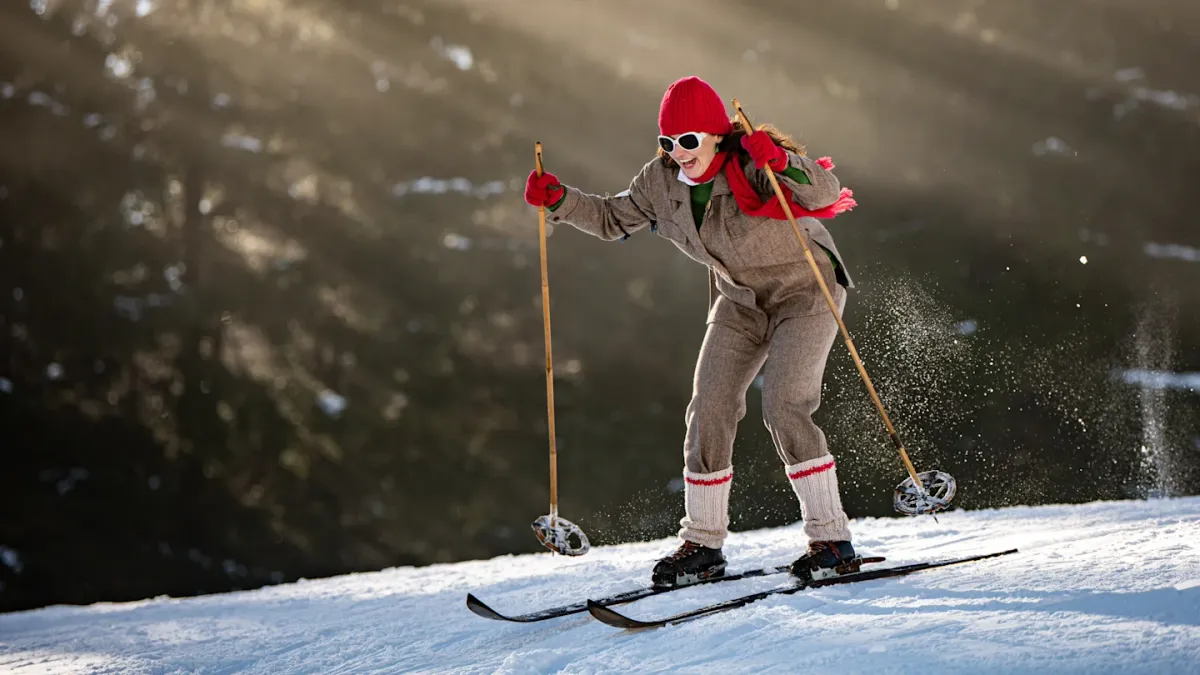
The French word "après-ski" simply means "after skiing." But what started as a practical way to warm up after a day on the slopes has quietly become something bigger: a deliberate pause, a built-in permission to decompress.
The concept took shape in the 1950s as ski resorts transformed from regional outposts into full destinations. Skiers wanted more than just the sport—they wanted the whole experience. A hot drink by the fire. A soak in a hot tub. A meal that didn't pretend to be health food. Après-ski was the answer: a designated wind-down that acknowledged a simple truth—your body and mind need recovery after hours of physical effort.
For decades, it remained mostly a thing skiers actually did. Then social media discovered it, and suddenly the aesthetics took over. Mountain lodges with roaring fireplaces. Champagne in ski boots. The picturesque ritual became a lifestyle brand, shareable and enviable.
We're a new kind of news feed.
Regular news is designed to drain you. We're a non-profit built to restore you. Every story we publish is scored for impact, progress, and hope.
Start Your News DetoxBut something interesting happened alongside the Instagram moment. People started reclaiming après-ski for what it actually does rather than what it looks like. The wellness shift helped. Instead of après-ski meaning chaotic bar culture, people began recognizing it as a structured way to recover—and that resonates now more than ever. We're all tired. We're all looking for permission to rest.
The Real Formula
The appeal isn't the aesthetics or the expense. It's the structure. After something demanding, you get something restorative. That's it.
Warmth matters—whether that's a fireplace, a sauna, or just a sweater. Refueling matters, which means real food, not performance metrics. Decompression is the core: time to let your nervous system settle. Social time is optional and entirely personal. Some people want a lively bar. Others want a quiet corner with tea.
You don't need to be an expert skier to understand this. You don't need mountains or money. The ritual works because it's simple: a challenging activity, followed by deliberate comfort, followed by whatever recovery looks like for you. That's après-ski. And it turns out, that's something a lot of people needed permission to do.