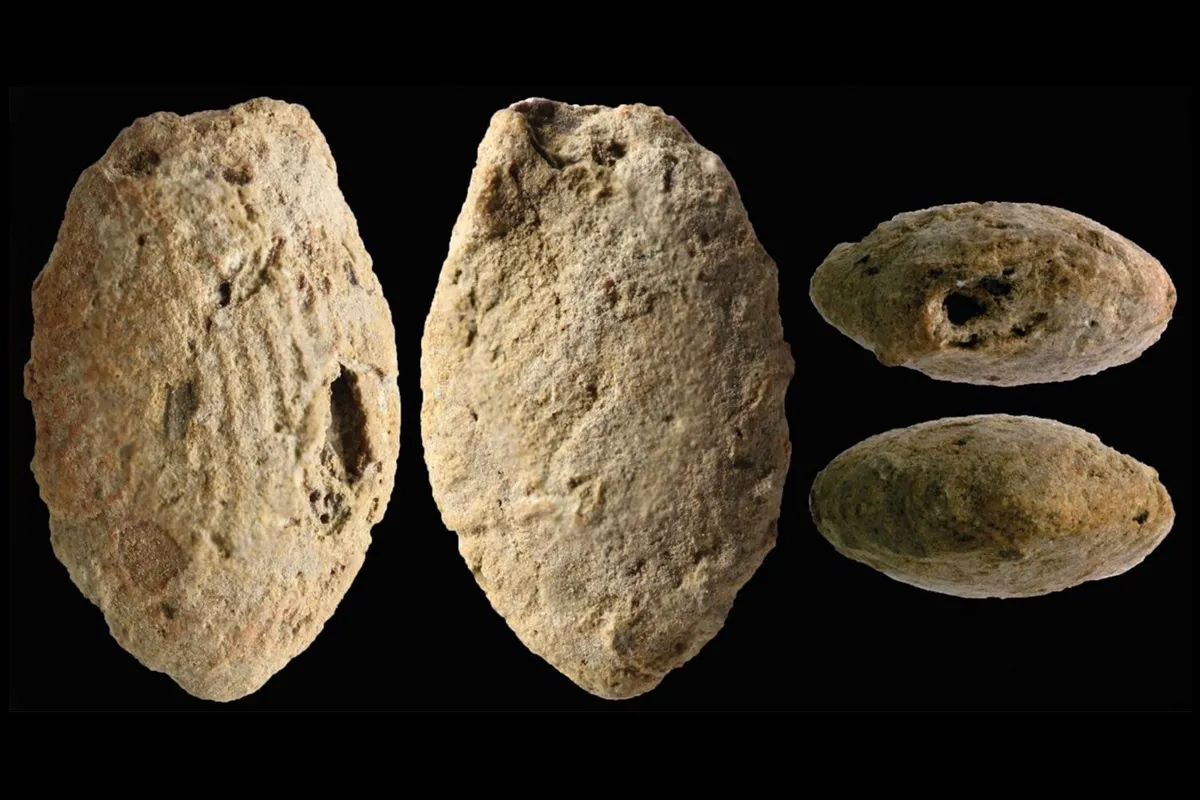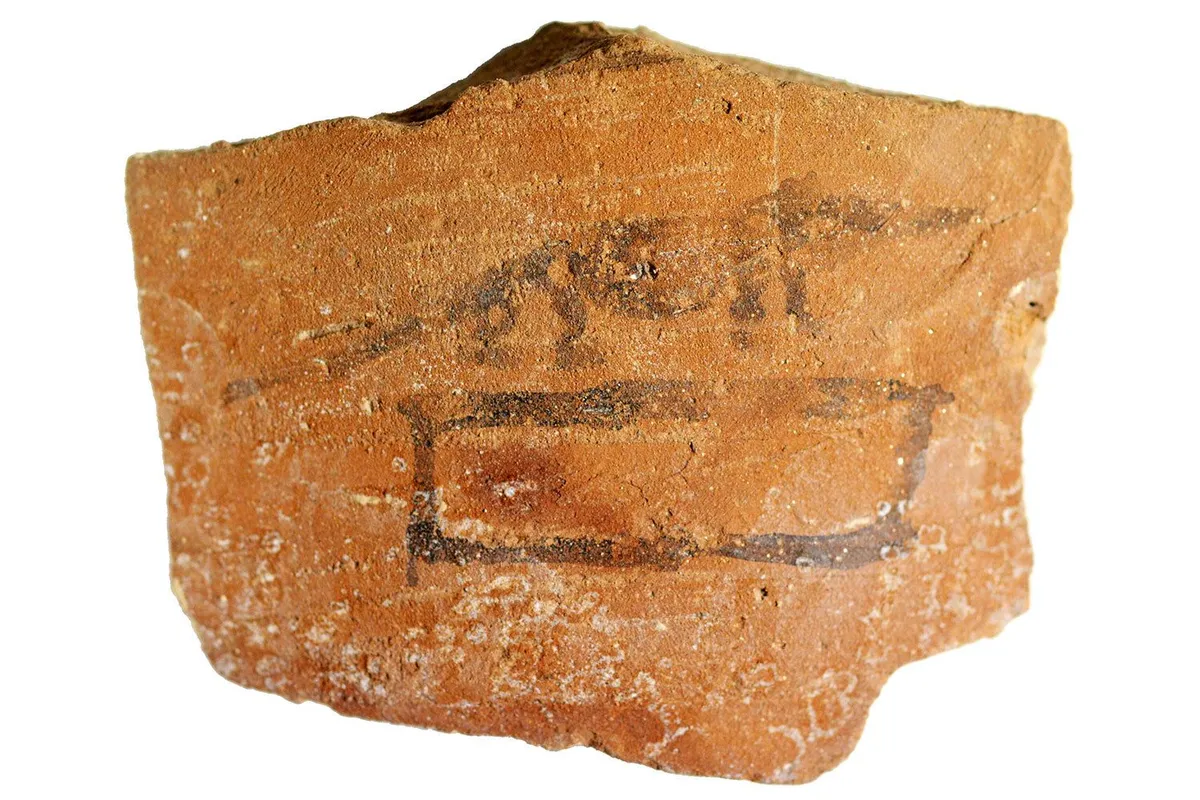
Archaeologists in Egypt have found a huge collection of ancient notepads. These are 43,000 ostraca, which are broken pottery pieces used by Egyptians to write short messages. They were dug up from the ancient site of Athribis over the last two decades.
Christian Leitz, an archaeologist from the University of Tübingen in Germany, said the ostraca show many everyday situations. They include tax lists, delivery notes, daily activity reminders, school exercises, religious texts, and certificates for sacrificial animals.
What are Ostraca?
Ostraca are small pieces of pottery or stone used for writing in the ancient Mediterranean. The word comes from the Greek word for "shell." The oldest known ostracon is a limestone flake from about 1500 B.C.E.
We're a new kind of news feed.
Regular news is designed to drain you. We're a non-profit built to restore you. Every story we publish is scored for impact, progress, and hope.
Start Your News DetoxAthribis was built in the fourth century B.C.E., about 70 miles northwest of Luxor. Researchers from the Tübingen Athribis Project have been studying its ruins since 2003. They first aimed to dig up the main temple, built for Ptolemy XII, Cleopatra's father, in the first century B.C.E.
In 2018, the team found mud-brick buildings, living areas, storage, and many ceramics, including ostraca, west of the temple. By 2023, they expanded their dig and found 50 to 100 sherds every day.
This discovery, combined with other ostraca found at Athribis, brings the total to 43,000 inscribed fragments. This makes Athribis the "most productive site for ostraca to date," even more than Deir el-Medina, a famous ancient village in the Valley of the Kings.
Ancient Egyptians often reused cheap materials like pottery as scrap paper. Older examples of ostraca are limestone fragments, such as a 280-day record of employee attendance from around 1250 B.C.E.
The oldest ostraca from Athribis date back to the third century B.C.E. These are tax receipts written in Demotic script, an ancient Egyptian cursive used during the Ptolemaic and Roman eras.
Most of the Athribis ostraca are in Demotic, but many are in Greek. Some have drawings and geometric patterns. Researchers also found ostraca in Hieratic, hieroglyphic, and Coptic. The newest ones are in Arabic, from the ninth to 11th centuries C.E.
Many ostraca contain personal notes, lists, accounts, and copied texts. Others are pictorial, showing people, shapes, gods, and animals like scorpions and swallows.
Leitz noted that this mix of content is very valuable. He said these everyday writings give a direct look into the lives of people in Athribis. This makes the ostraca an important source for understanding the region's social history.
Ostraca have been very helpful for historians studying ancient Egypt. About one-third of all discovered ancient Egyptian documents are on pottery or stone ostraca. Experts used to think people only used ostraca when they ran out of papyrus. However, some now believe certain scribes intentionally cut and wrote on pottery pieces.
Leitz expects to find many more ostraca. He plans to digitize the growing collection from Athribis.