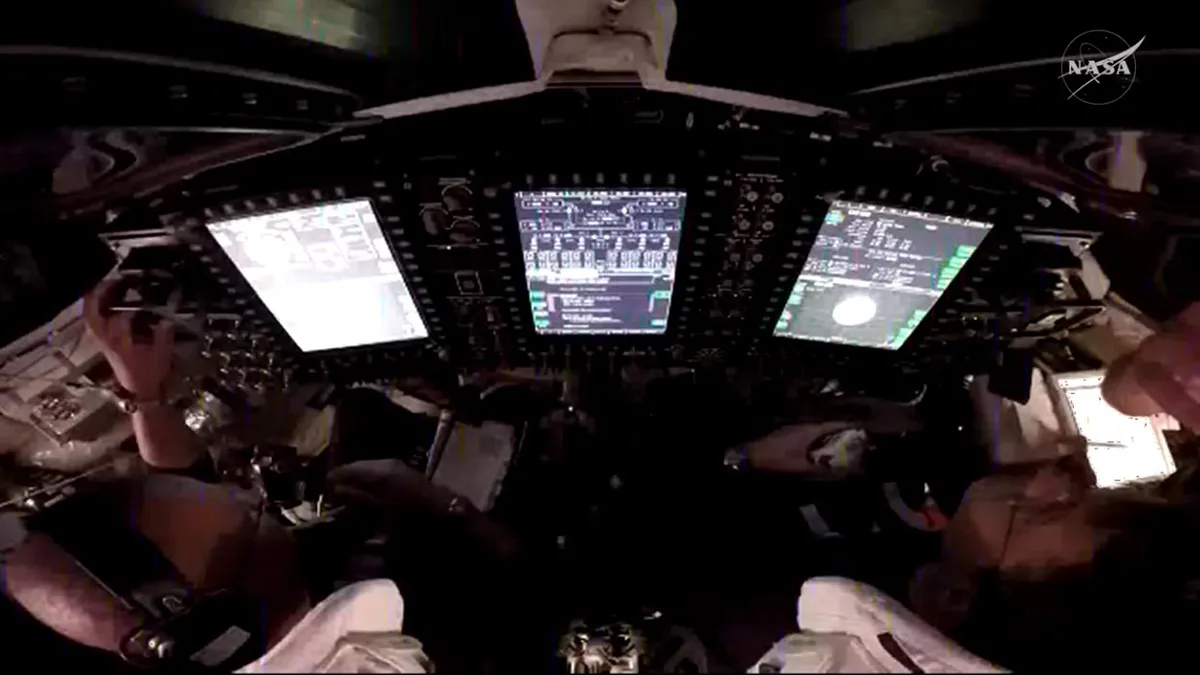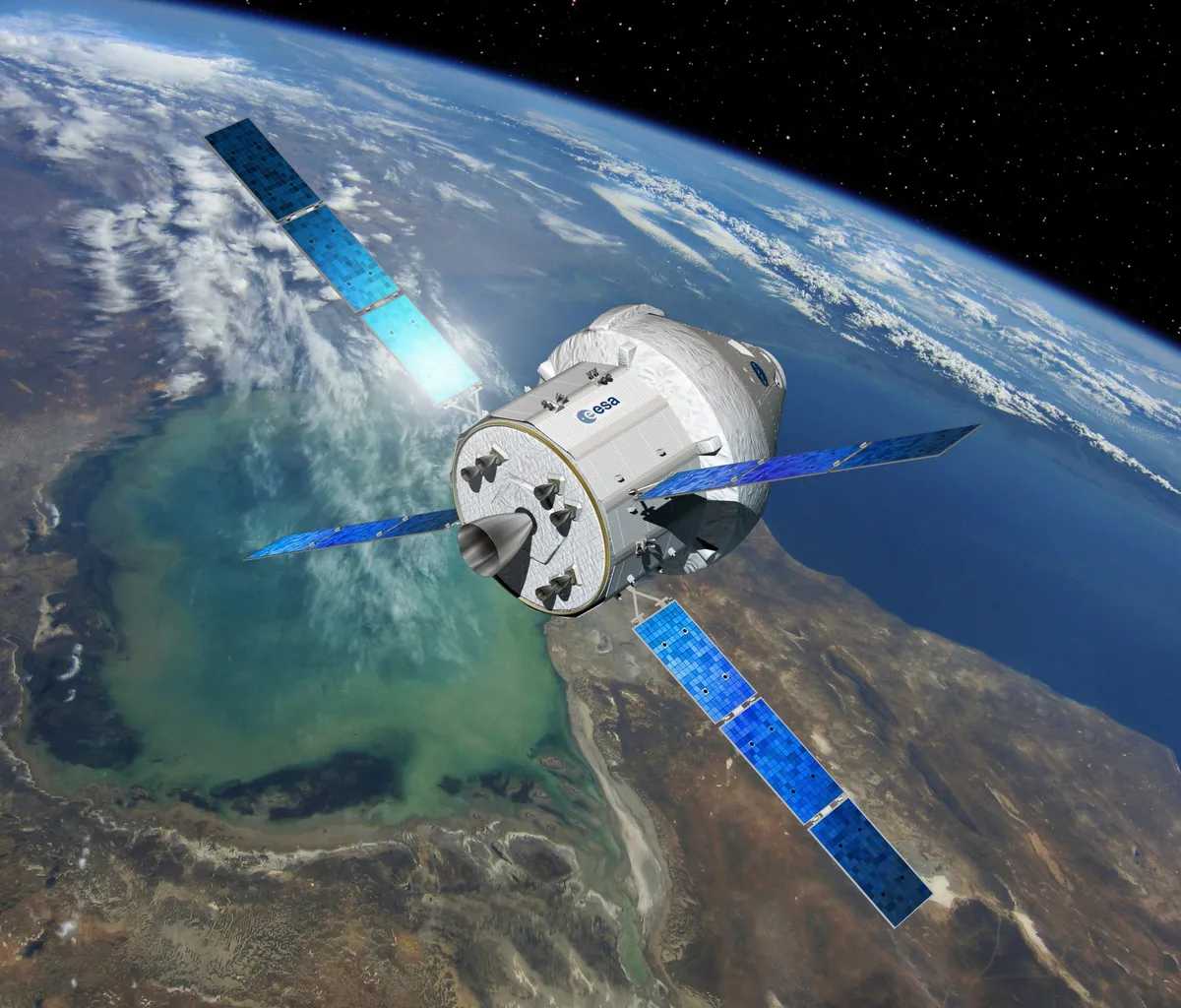
The four astronauts on Artemis II are on the first crewed lunar flyby in over 50 years. They launched successfully, despite a small issue with the lavatory. The team is now less than 170,000 miles from the moon.
The 10-day mission still has much to do. But the crew of the Orion spacecraft took a moment to enjoy the view.
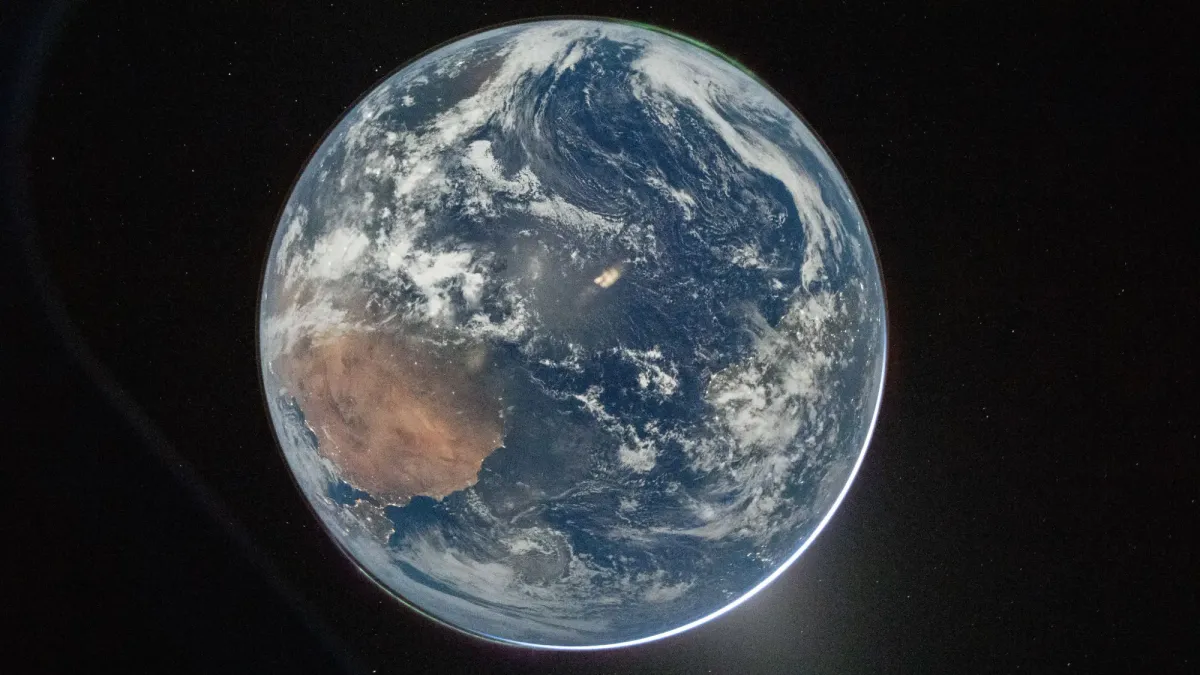
Earth from a New Angle
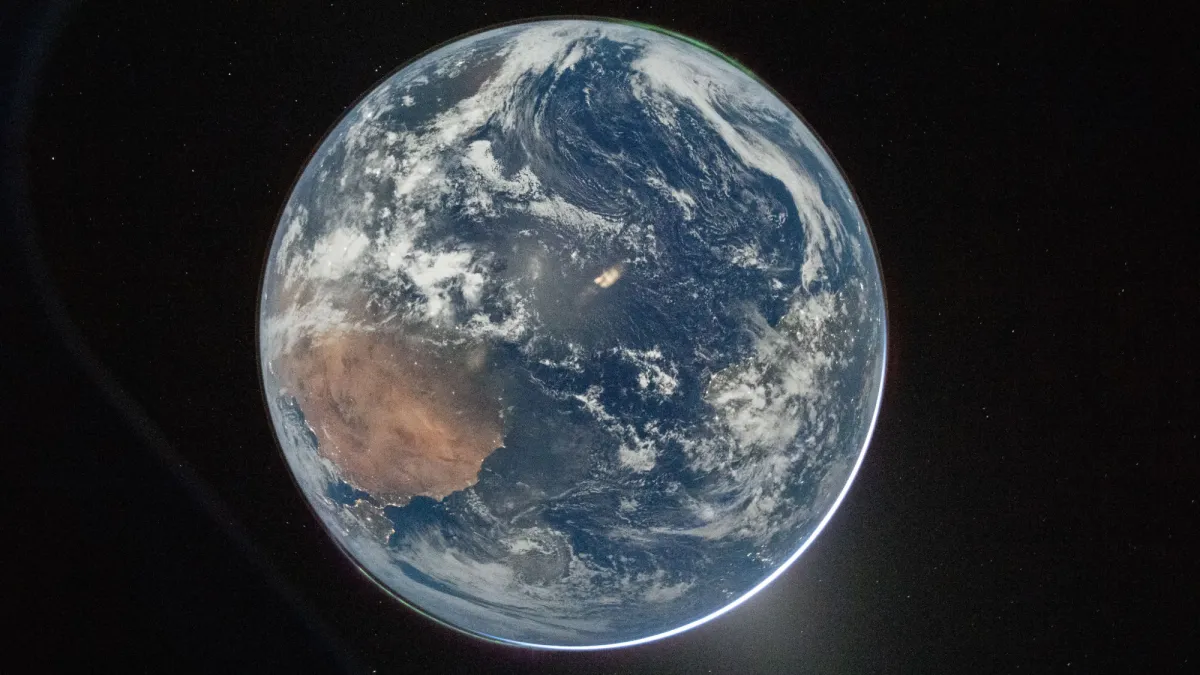
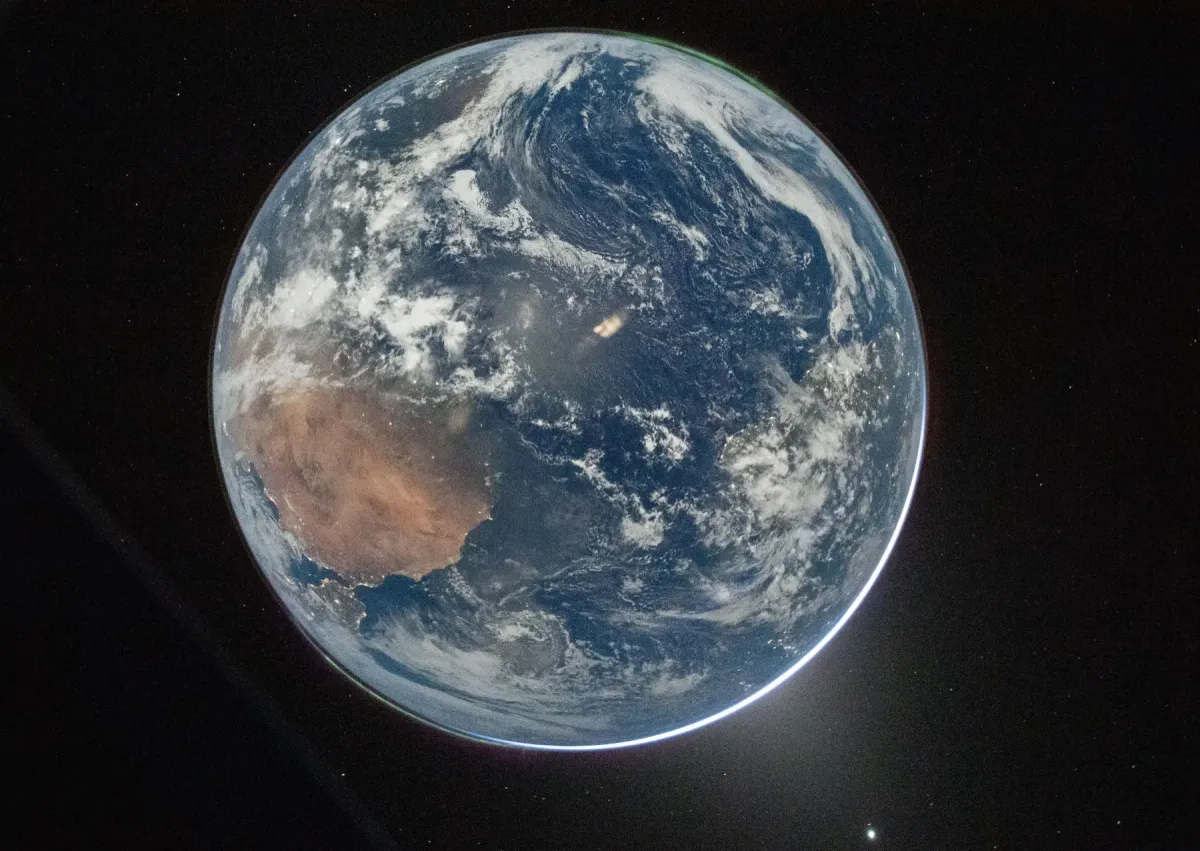
Artemis II Commander Reid Wiseman took a picture of Earth. It shows a view that humans have not seen in decades. He snapped the photo after the crew finished their translunar injection burn. This was the final engine boost to set them on course for the moon.
We're a new kind of news feed.
Regular news is designed to drain you. We're a non-profit built to restore you. Every story we publish is scored for impact, progress, and hope.
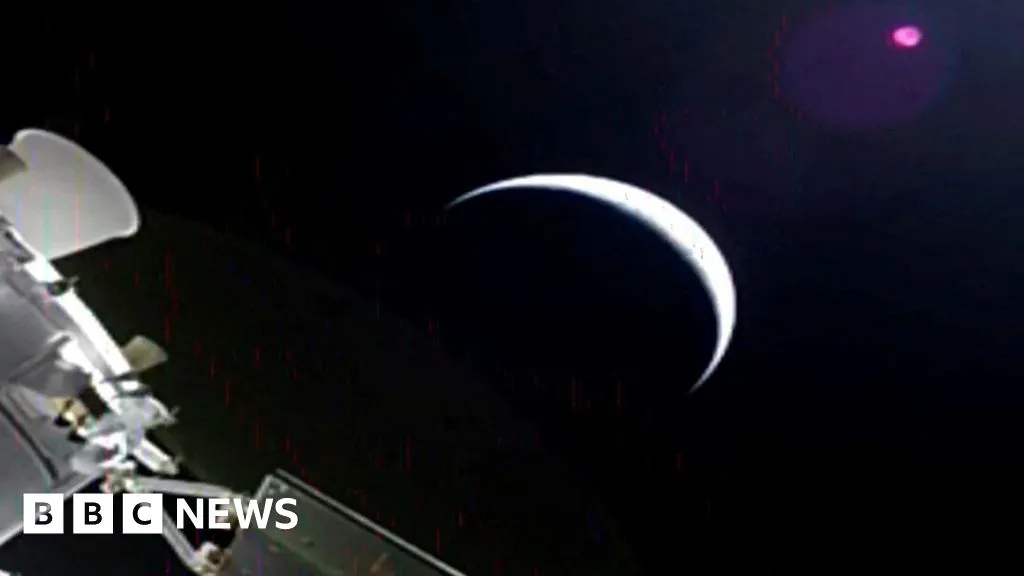
Start Your News DetoxThe picture shows two auroras, one at the top right and one at the bottom left. Zodiacal light is also visible in the bottom right. These glow brightly as Earth passes in front of the sun.
Life Aboard Orion
Besides taking photos, the Artemis II crew has been busy. They answered questions from reporters during a live stream. They also took turns using the spacecraft’s flywheel exercise device.
This suitcase-sized machine is made for microgravity. It helps with aerobic exercises like rowing. It also provides resistance training up to 400 pounds.
The astronauts can keep admiring Earth until April 6th. Then, they will switch to observing the moon. The crew will spend about six hours documenting the moon's surface. They will look closely at ancient lava flows, impact craters, and other details.
Reaching New Distances
The flyby will take the crew about 4,800 miles from the moon. This will be the farthest any human has ever traveled from Earth.

The mission will also include a nearly one-hour solar eclipse on the moon’s dark side. This will let astronauts check for meteoroid strikes and rising lunar dust. After that, it's a multi-day journey back to Earth. They are expected to splash down on April 10th. More amazing views from space are likely to come before then.