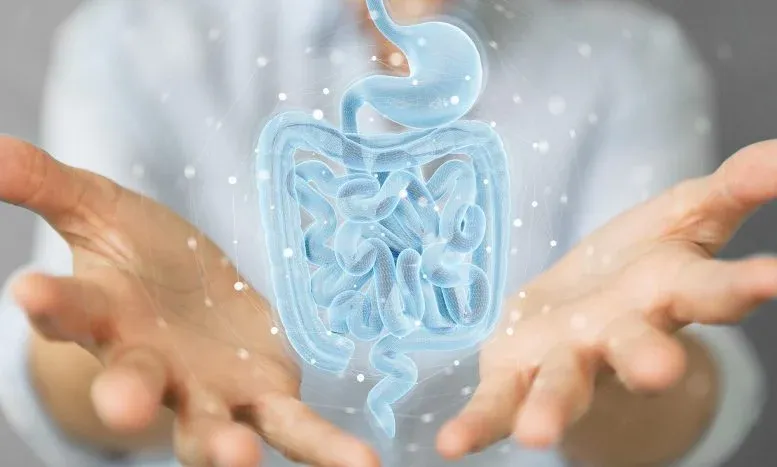
Your gut replaces its cells faster than any other tissue in your body—a relentless renewal that keeps your intestinal lining fresh. But over decades, something shifts. The stem cells that drive this renewal begin to accumulate chemical changes on their DNA, like switches gradually getting stuck in the off position. And now, researchers have figured out exactly why this happens, and more importantly, how to slow it down.
A team led by Prof. Francesco Neri at the University of Turin has identified a consistent pattern of aging in the gut that they call ACCA drift. What makes this discovery significant isn't just that aging follows a predictable path—it's that the same epigenetic changes show up in nearly all colon cancer samples analyzed. This suggests that aging gut cells may be creating conditions where cancer becomes more likely to develop.
How a cellular repair system breaks down
The mechanism is elegant and troubling in equal measure. As intestinal cells age, they absorb less iron while releasing more of it. This sounds minor, but iron is essential for TET enzymes—molecular cleanup crews that normally remove excess DNA methylations (faulty chemical markings). Without enough iron, these enzymes can't function. The faulty markings pile up. Important genes fall silent. The aging accelerates.
We're a new kind of news feed.
Regular news is designed to drain you. We're a non-profit built to restore you. Every story we publish is scored for impact, progress, and hope.
Start Your News DetoxMeanwhile, the aging gut also becomes mildly inflamed. This inflammation disrupts iron distribution further and weakens Wnt signaling, a pathway that keeps stem cells active and functional. It's a cascade: iron deficiency, inflammation, and weakened signaling feed into each other, speeding up the aging process across the intestine.
But here's where the patchwork nature of aging matters. Your intestine isn't aging uniformly. Each small tubular structure, called a crypt, originates from a single stem cell. When that cell accumulates epigenetic changes, all its descendant cells inherit those changes. Over time, your intestines become a mosaic of crypts—some young, some significantly aged. Certain regions become particularly vulnerable to producing degenerated cells that promote cancer growth.
A reversibility that changes the conversation
The most striking finding came when researchers tested whether this aging could be reversed. Using miniature intestinal models grown from stem cells, they restored iron import or reactivated Wnt signaling. Both approaches worked. TET enzymes became active again. Cells began breaking down the faulty methylations. The aging process slowed or partially reversed.
"For the first time, we are seeing that it is possible to tweak the parameters of aging that lie deep within the molecular core of the cell," Dr. Anna Krepelova explained in the research. This shifts the entire conversation. Aging in the gut isn't a fixed, irreversible state—it's a process with leverage points.
The findings, published in Nature Aging, don't immediately translate to a pill or treatment. But they point toward interventions that could target iron metabolism or Wnt signaling in aging intestines. For people at risk of colon cancer, or simply interested in healthier aging, understanding these mechanisms opens a new direction for research. The gut's remarkable ability to renew itself hasn't been lost—scientists have just found where the system jams, and how to unstick it.