When most of us think of Indian tea, we picture British colonial plantations rolling across Assam's hills. But that's only half the story. Long before the East India Company planted its first estate, the Singpho people—who live across Northeast India, Myanmar, and China—had already woven tea into the fabric of daily life, possibly since the 12th century.
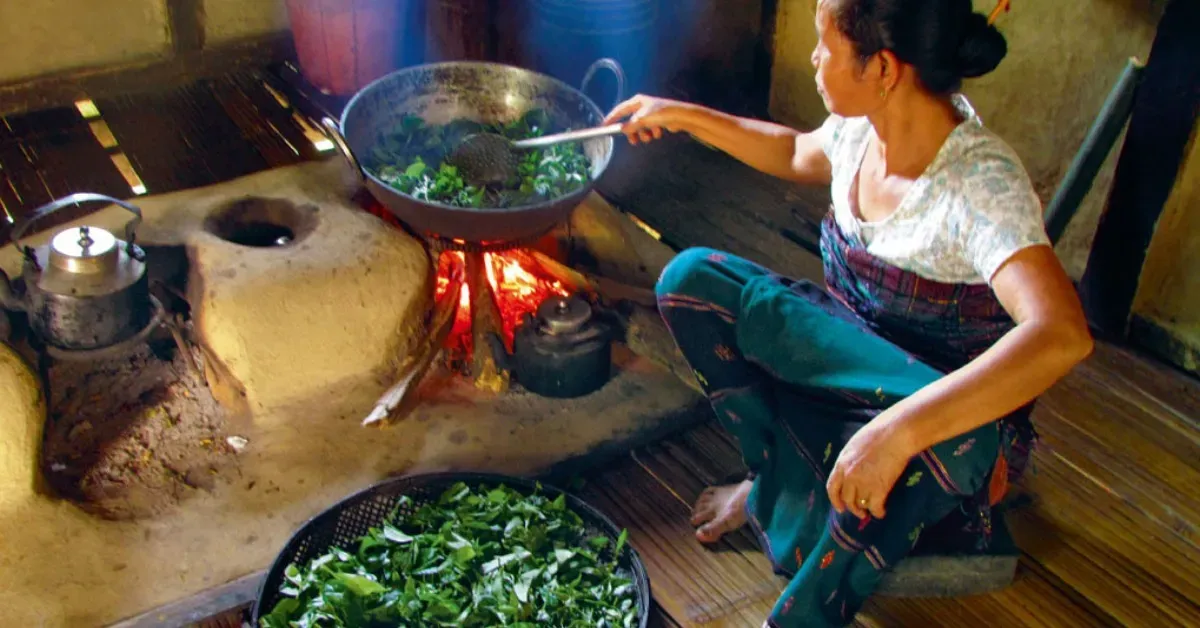
The Singphos developed their own tea tradition entirely separate from what the British would later industrialise. Their method was labour-intensive and deliberate: they heated leaves in a metal pan until brown, sun-dried them for days, then packed them into bamboo tubes and smoked them over fire. After about a week, the leaves hardened into the shape of the bamboo itself, creating a distinctive tea called phalap with a flavour the community still cherishes today.
The Name and the Legend
According to Singpho oral tradition, phalap comes from pha or kha (meaning "what") and lap (meaning "leaf"). Local legend tells of two exhausted brothers who chewed an unknown leaf during their travels and felt suddenly revived—a discovery that led to tea. Whether or not the story is literal, it captures something real: tea wasn't imported into Assam. It was discovered there, cultivated there, and made meaningful there by people who knew the land.
We're a new kind of news feed.
Regular news is designed to drain you. We're a non-profit built to restore you. Every story we publish is scored for impact, progress, and hope.
Start Your News DetoxIn the early 1820s, British adventurer Robert Bruce learned of wild tea plants growing in Assam from Singpho chief Bessa Gaum. Later, another Singpho chief, Nigro La, established the first tea plantation in the region. The British saw commercial opportunity where indigenous knowledge already existed—and they moved fast. They experimented with Chinese varieties at first, but eventually realised that the native Camellia sinensis var. assamica, already used by Singpho communities, thrived in Assam's climate.
What followed was the transformation of tea from a cultural practice into an industrial commodity. The British built sprawling estates and created a global market. Assam tea became famous worldwide. But this success story was built on knowledge that predated the colonial enterprise by centuries.
Reclaiming the Narrative
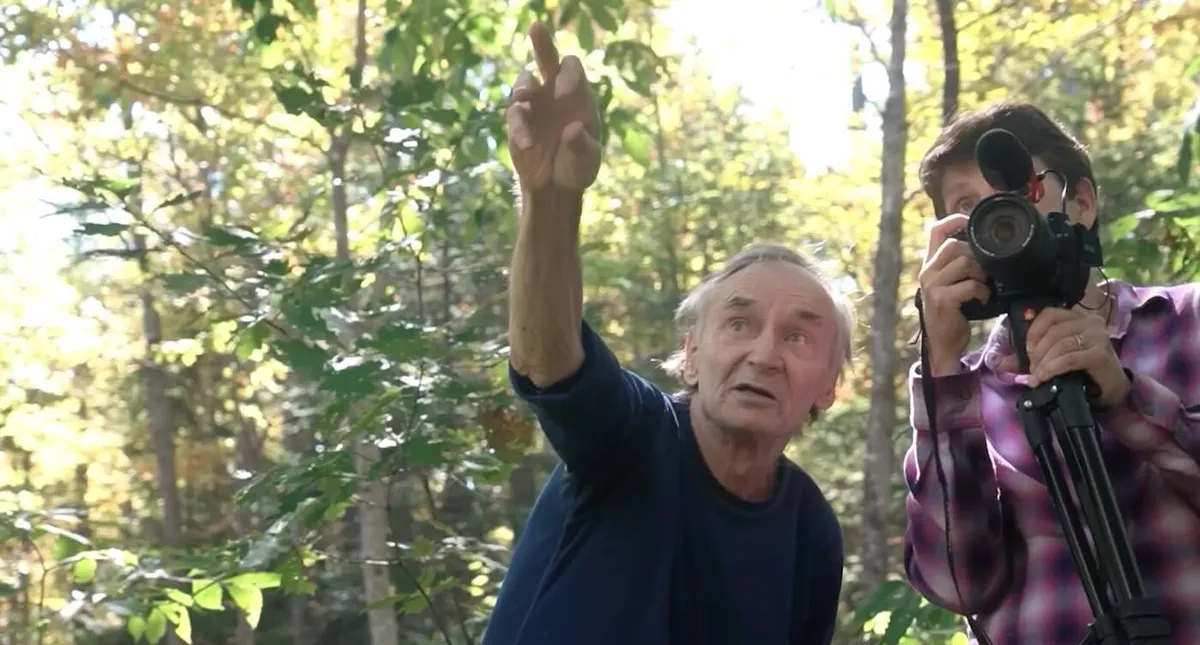
Today, cultural historians and enthusiasts are documenting Singpho tea-making methods—not as a museum piece, but as a living tradition worth preserving alongside commercial production. Phalap remains a window into India's tea diversity, a reminder that the story of tea here is far older and more varied than any single colonial narrative can capture.
The British didn't introduce tea to India. They industrialised it. The Singphos—and other indigenous communities across the region—had already spent centuries understanding how to grow it, process it, and make it part of their world.