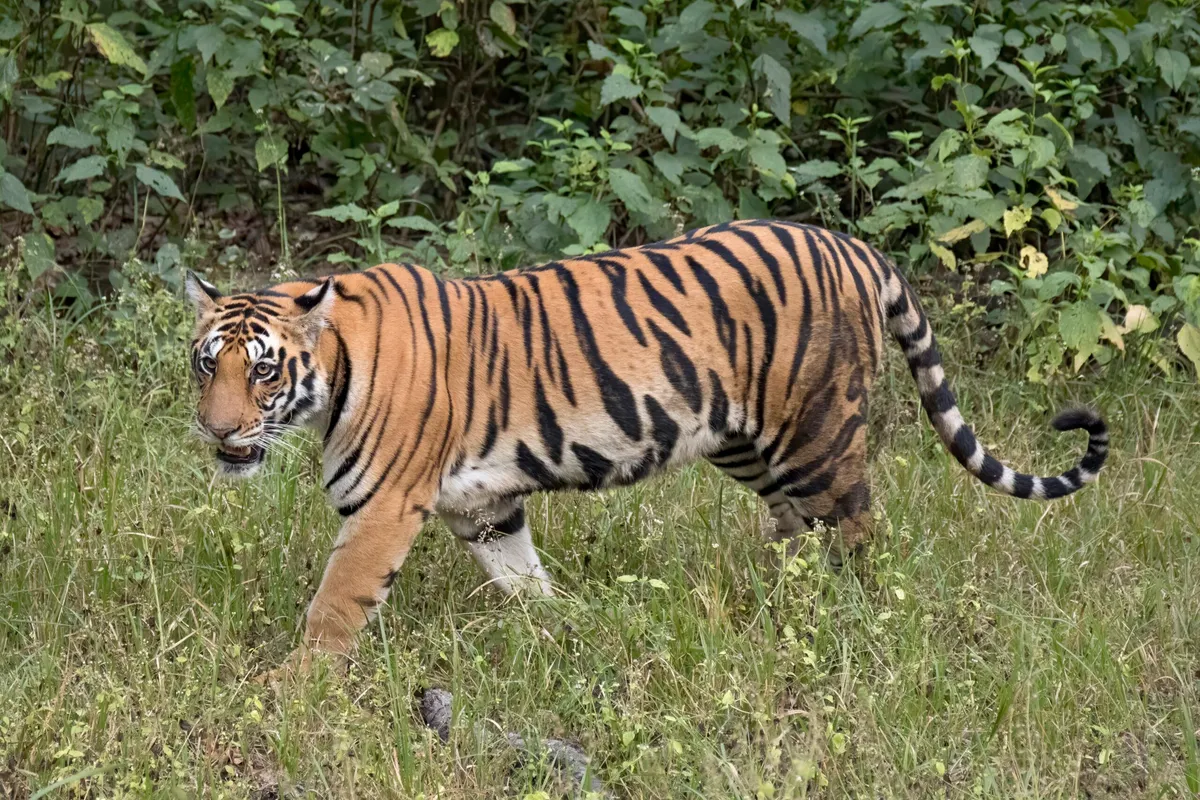
Cambodia hasn't seen a wild tiger in nearly two decades. The last one was caught on a camera trap in 2007, a ghost in the forest. By 2016, the big cats were officially declared extinct within its borders. Which, if you think about it, is both a tragedy and a rather stark timeline.
Turns out, losing your apex predators isn't great for the ecosystem. And Cambodia, bless its heart, wants them back. The plan? Import Bengal tigers from India, a country that has, against considerable odds, actually managed to boost its own tiger numbers. Because apparently, if you want something done, sometimes you just have to outsource.

These new tigers would call Kravanh National Park home, nestled in the Cardamom Mountains. The idea is to reintroduce a crucial predator into one of Cambodia's largest remaining forests, hoping to restore some ecological balance that's been missing since the last tiger packed its bags (or, more accurately, was poached). The country has even approved a tiger action plan and built a fancy new enclosure for the incoming residents, which sounds very much like a "we're serious about this" move.
We're a new kind of news feed.
Regular news is designed to drain you. We're a non-profit built to restore you. Every story we publish is scored for impact, progress, and hope.
Start Your News DetoxNow, here's where things get a little less straightforward. Tigers are not dainty eaters. They require a lot of prey. And a 2020 study threw a bit of a wrench in the works, suggesting Kravanh National Park might only support a measly five adult tigers, not the 25 or so needed for a truly robust population. Five tigers is less of a comeback story and more of a very exclusive club with potential inbreeding issues. Experts are currently debating whether there are enough wild pigs and other snacks to keep these new arrivals happy and, crucially, alive.
Tiger disappearances weren't just a mystery; they were a direct result of poaching, insidious snares, and habitat destruction. The illegal trade in tiger parts certainly didn't help. And just to underscore the point, Cambodia's Indochinese leopard was declared functionally extinct in 2023. Snares, it seems, are still very much in vogue for those who wish to harm large mammals. So, while importing tigers is a bold move, keeping them around once they arrive is an entirely different kind of challenge.