Across Africa, the space for citizens to speak up is shrinking faster than a cheap suit in a hot wash. Governments are getting creative with laws, internet shutdowns, and good old-fashioned censorship to keep dissent quiet. Which, naturally, makes documenting events, resisting, and generally expressing oneself a bit of a challenge.
Enter human rights defenders, who, instead of throwing their hands up, are simply picking up a camera. They're using film to bypass the usual gatekeepers and, you know, actually reach people.
The Reel Resistance
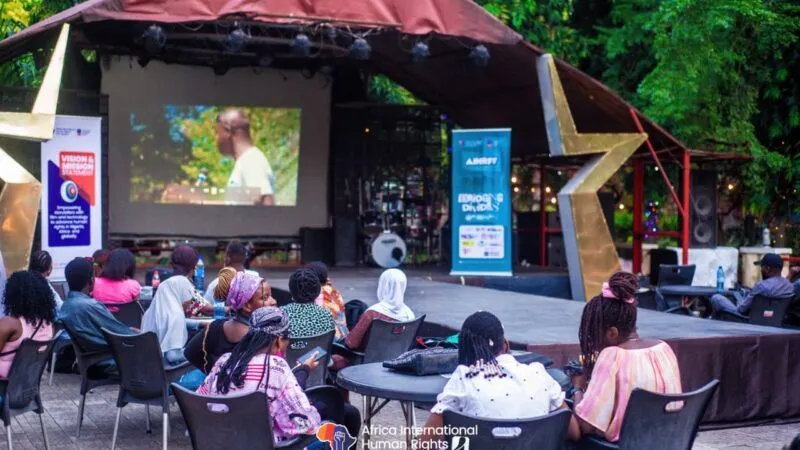
Can a film festival actually succeed where other efforts hit a brick wall? Can it flip the narrative, build some much-needed unity, and maybe even hold a few leaders accountable? The Africa International Human Rights Film Festival (AIHRFF) is betting on it. Now in its fifth year, this isn't just a popcorn-and-a-movie kind of deal.
We're a new kind of news feed.
Regular news is designed to drain you. We're a non-profit built to restore you. Every story we publish is scored for impact, progress, and hope.
Start Your News DetoxOrganized by the Human Rights Journalists Network Nigeria, this year's festival (December 8–10, 2026) is themed "Stories of Resistance." It's where storytelling meets advocacy, in a much more interesting way than that sounds. Executive Director Kehinde Adegboyega explains that AIHRFF is the place where journalism, human rights, and civic engagement all get together for a chat.
While some groups promote cinema and others focus on advocacy, AIHRFF decided, "Why not both?" The Human Rights Journalists Network Nigeria knows a thing or two about how stories can shift public opinion and, eventually, social change. The festival is a platform for filmmakers, journalists, activists, and regular citizens to chew on some seriously important issues.
Over four festivals, AIHRFF has managed to bring together a wild mix of people, spark some tough conversations, and create opportunities for learning that don't involve a webinar. It's basically using good stories to get people to actually care and, perhaps, do something.
Measuring the Unmeasurable
Now, AIHRFF isn't claiming that one film screening will magically change policy overnight. Social and political change is more like a slow-motion avalanche, built from many tiny snowflakes of effort. But what it does do is connect filmmakers with advocates, policymakers, and communities.
Take screenings on gender-based violence or digital rights, for instance. Those have led to actual discussions and partnerships. Advocacy groups then take these films and use them for education and mobilization long after the credits roll. The impact isn't always a direct line to policy change, but it certainly raises awareness, sets agendas, builds coalitions, and gets the public talking. They're even working on better ways to track those long-term ripples.
This year's theme, "Stories of Resistance," isn't about pointing fingers at any specific government. It's about how people find peaceful ways to defend rights and strengthen democracy when faced with injustice or exclusion. The festival values its editorial independence, aiming for dialogue over division. Because apparently, discussing things responsibly is still an option.
AIHRFF welcomes films from everywhere, because human rights issues are, sadly, global. But African stories, filmmakers, and issues get VIP treatment. International films are there for learning and solidarity, but they don't define the festival. African perspectives are always front and center, thank you very much.
As it grows, AIHRFF is investing in new African filmmakers, young storytellers, and voices that usually get, well, ignored. The goal is to strengthen African storytelling while still keeping an eye on the rest of the world. Because apparently, that's where we are now. They even tackle digital rights, despite some African governments (looking at you, Nigeria) having a peculiar habit of shutting down the internet and engaging in surveillance.
AIHRFF approaches digital rights from a fiercely independent stance, providing a space to discuss internet freedom, privacy, and online safety, no matter who's doing the violating. And their funding? It comes from a diverse mix of international organizations and cultural institutions, which helps ensure their decisions are based on their mission, not on who's writing the biggest check.
Beyond the Marquee
When the festival wraps, the work doesn't stop. AIHRFF keeps films circulating, collaborating with schools, universities, and community groups to extend their reach. They're exploring year-round screenings, educational partnerships, and digital campaigns. The vision is for AIHRFF to become a continuous platform for human rights education and civic dialogue. Because some stories are too important to just play once.