Most of us started 2026 running on empty. Depleted. The kind of tired that doesn't lift by Wednesday. But somewhere between the news cycle and the weight of everything, science kept doing what it does best: finding wonder in the smallest, strangest corners of the world.
Take the color olo. Researchers at UC Berkeley didn't discover it in nature — they created it. A new shade of teal that exists because someone asked "what if we could make something that didn't exist before?" and then did. It's not going to cure anything. It won't solve the energy crisis. But it's the kind of small, audacious thing that reminds you human curiosity is still alive.
Or consider the snail. A creature you've probably stepped over without thinking twice can regrow its entire eye in about a month. Not a patch. Not a partial fix. A whole new eye. Somewhere, a biologist looked at that and started asking why — and those questions are now leading toward treatments for human vision loss that seemed impossible five years ago.
We're a new kind of news feed.
Regular news is designed to drain you. We're a non-profit built to restore you. Every story we publish is scored for impact, progress, and hope.
Start Your News DetoxThe medical breakthroughs feel more directly hopeful. A baby born with a rare genetic disorder was treated using custom gene editing, tailored specifically to their DNA. Researchers grew replica womb lining in a lab. They made progress on lab-grown teeth — actual teeth that could one day replace what time and neglect have taken. These aren't theoretical anymore. They're happening in hospitals and labs right now.
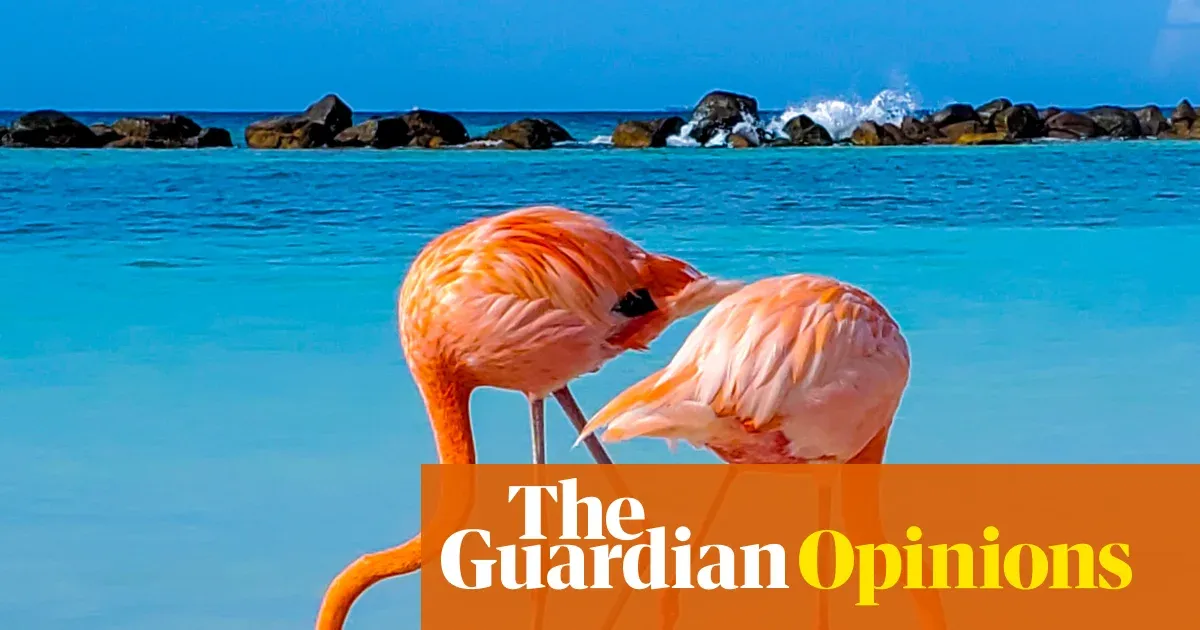
Then there's the absurdity that keeps science sane. Oyster mushrooms playing keyboards. Flamingos forming tornado-like vortices as they hunt for food — which is somehow both perfectly logical and pure poetry. A caterpillar so strange it's been nicknamed the "bone collector" because it conceals itself in the body parts of its prey. Astronomers discovering more than 100 new moons orbiting our planet.
None of this erases the real problems we're facing. The burnout is real. The depletion is real. But so is the fact that humans are still asking questions, still experimenting, still discovering that the world is far stranger and more full of possibility than we assumed.
The pattern matters more than any single discovery. In one year, science moved forward on gene therapy, regenerative medicine, materials science, marine biology, and astronomy. Not because one genius had a eureka moment, but because thousands of people showed up to their labs and kept working. Kept wondering. Kept pushing against what we thought was impossible.
That won't fix burnout directly. But it might be the kind of thing worth holding onto when everything feels grey.