Descendants of freedom fighters executed by British colonial forces in the 1890s are demanding that London's Natural History Museum and Cambridge University help locate their ancestors' remains—and they're offering DNA evidence to prove it.
Eight descendants of the chimurenga heroes, who led an uprising against British colonizers in Zimbabwe, have formally asked both institutions to establish a joint taskforce to search their collections and archives. The resistance fighters were captured, executed, and beheaded during the colonial era. Their skulls are believed to have been taken to England, where they may still sit in museum storage.
The request carries a weight beyond historical reckoning. In Shona tradition, ancestral spirits—vadzimu—serve as the spiritual conduit to God. When Chief Chingaira Makoni was beheaded after fighting British forces at the 1896 Battle of Gwindingwi, his descendants lost not just a relative but their connection to spiritual guidance. "We are suffering because until those ancestors return to us then we have no access to the Lord," said Cogen Simbayi Gwasira, the current Chief Makoni and a direct descendant.
We're a new kind of news feed.
Regular news is designed to drain you. We're a non-profit built to restore you. Every story we publish is scored for impact, progress, and hope.
Start Your News DetoxThis is not abstract loss. For over a century, families have carried the wound of desecration alongside the wound of colonialism itself. The letters sent this month to both institutions frame the issue plainly: "This is not only about the past. It is about whether institutions today are willing to confront colonial violence honestly and repair its enduring harms."
The scale of what remains unclaimed
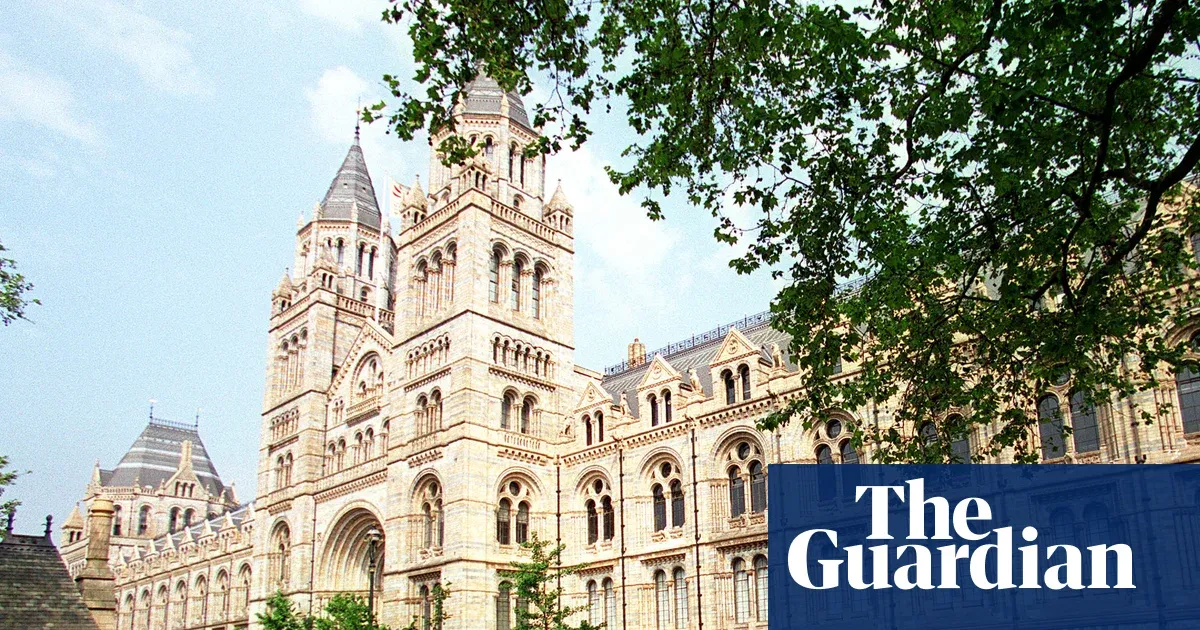
The scope of the problem is staggering. A Guardian investigation found that UK universities, museums, and councils hold at least 11,856 items of human remains from Africa. Cambridge alone holds 6,223 items—the largest collection of any British institution. The Natural History Museum holds 3,375.
Zimbabwe's president demanded the return of the resistance heroes' skulls a decade ago. In November 2022, the Natural History Museum's trustees made a formal decision to repatriate all Zimbabwean human remains. Yet according to a letter from the all-party parliamentary group for Afrikan reparations, "no discernible progress has been made in the three years since that decision."
Dr Rudo Sithole, former director of the Natural History Museum of Zimbabwe, points to a troubling gap: "Because people long believed that all the chimurenga heroes' remains were in the UK, we are now very worried that not even a single one has been acknowledged to be there." This raises a harder question—are the institutions genuinely unable to identify the remains, or unwilling to commit the resources to try? Other European countries have moved faster. France and Germany have funded research into the provenance of human remains taken from their former African colonies, setting a standard that Britain has not matched.
What makes this moment different is that descendants are no longer waiting for institutions to volunteer the work. They're offering to do it themselves—providing DNA samples, genealogical records, and expertise. They're asking not for apology but for collaboration. The institutions now face a choice: treat this as a genuine partnership to locate and return the remains, or continue a pattern of institutional inertia that compounds the original violence.
The Natural History Museum says it found no evidence linking any remains in its collection to named chimurenga heroes. Cambridge's vice-chancellor has assured descendants that its Duckworth Collection—which holds the university's largest collection of human remains—contains none of the resistance fighters. But as Sithole's concern suggests, the absence of acknowledgment is not the same as the absence of remains.
What happens next depends on whether these institutions treat the descendants' formal request as a bureaucratic hurdle or a moral reckoning that's finally overdue.