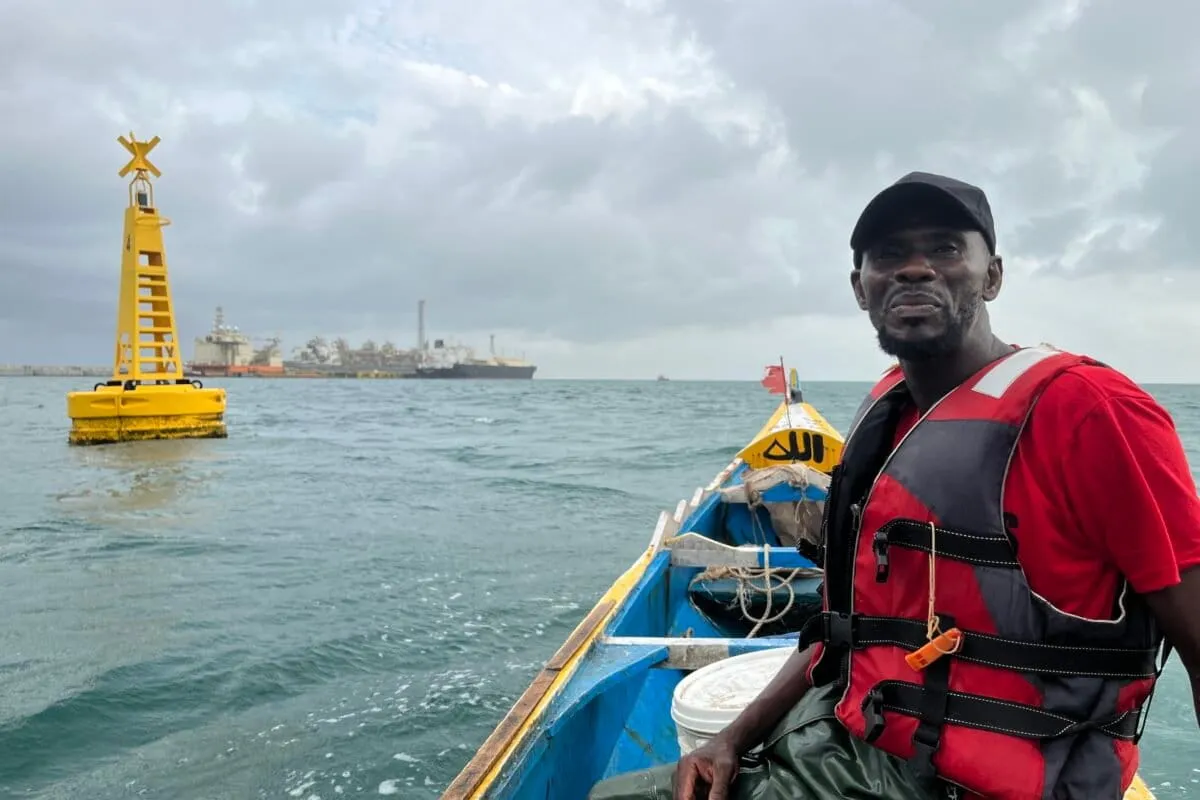
A complaint from Senegalese artisanal fishers has forced one of Africa's largest energy projects to the negotiating table. The UK's OECD contact point has ruled that allegations of environmental harm and livelihood damage from the Grand Tortue Ahmeyim gas platform warrant formal investigation — a rare win for local communities challenging multinational corporations.
"This decision is a major one," said Mamadou Sarr, spokesperson for Gaadlou Guèrri, the fishers' association that filed the complaint. "It can help us seek compensation for the losses we have suffered, for the environmental consequences, and for gas leaks."
When Local Knowledge Meets Global Accountability
The Grand Tortue Ahmeyim platform sits offshore from Saint-Louis, Senegal, in waters that feed one of West Africa's largest fishing communities. The project is co-developed by BP, U.S.-based Kosmos Energy, and the national oil companies of Senegal and Mauritania — a partnership that represents hundreds of millions in investment.
We're a new kind of news feed.
Regular news is designed to drain you. We're a non-profit built to restore you. Every story we publish is scored for impact, progress, and hope.
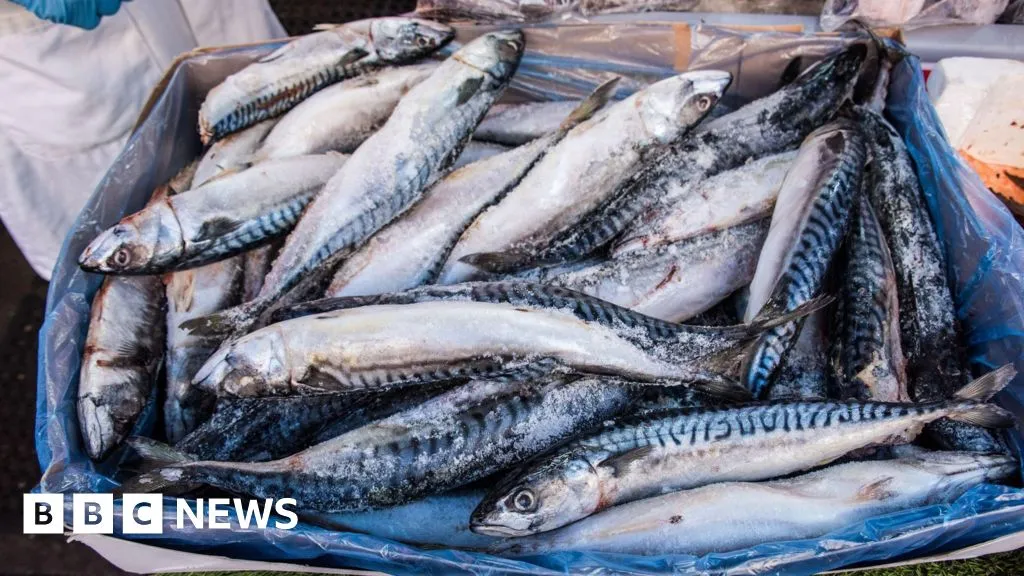
Start Your News DetoxBut for the fishers who have worked these waters for generations, the platform created an immediate problem: they were denied access to fishing grounds around the installation, cutting them off from their primary income source. In a region where fish provides nearly 70% of the animal protein people eat, that's not a minor inconvenience. It's a threat to food security and economic survival.
The OECD, an organization of 38 wealthy nations committed to corporate responsibility guidelines, has now agreed to bring all parties together to negotiate. This matters because the OECD's guidelines cover human rights, environmental protection, and corruption — the exact areas the fishers say have been violated. A formal investigation creates space for documented harms to be acknowledged and, potentially, remedied.
What makes this significant is that multinational energy companies rarely face this kind of public accountability in developing countries. The decision signals that local communities have a tool — however imperfect — to challenge projects that affect their survival. It also puts pressure on the companies involved to demonstrate they're not simply extracting resources while local people absorb the costs.
The negotiations ahead will test whether international oversight can actually translate into meaningful change for people on the ground.