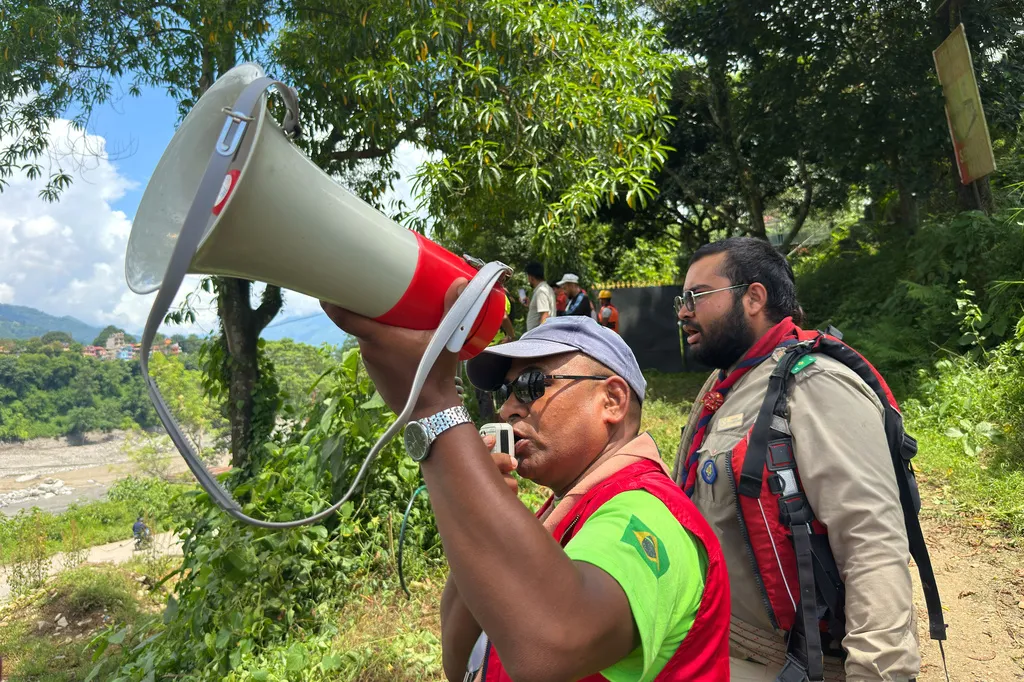
A devastating flash flood in Nepal, triggered by a collapsing glacier, has claimed over 1,000 lives and left more than 4,000 people missing. The kind of numbers that make your stomach drop.
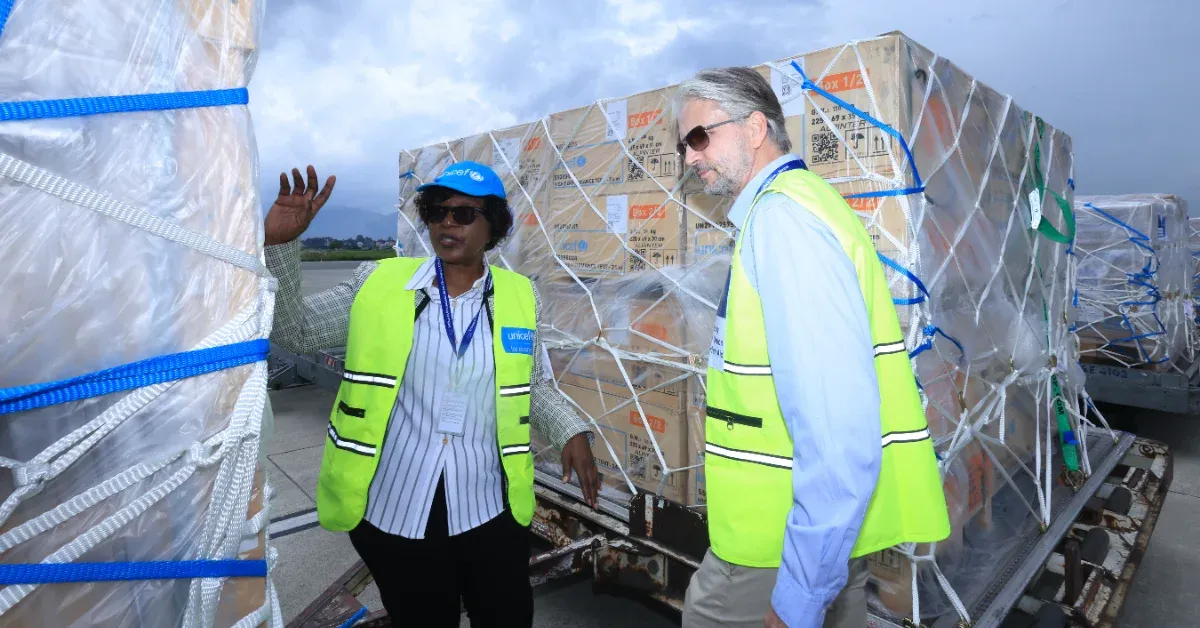
But as always, when disaster strikes, humanity gets to work. Aid organizations are swarming in. World Central Kitchen is on the ground, dishing out fresh meals. UNICEF, the World Food Programme, and the World Health Organization have deployed teams to distribute food and essential supplies. CARE International is prepping emergency shelters and clean water, because apparently, even in chaos, some things are non-negotiable.

The Nepal Red Cross Society is delivering first aid kits and, in a surprisingly modern twist, setting up phone charging stations. Because when everything's gone, at least your phone can be at 100% to call for help, or perhaps, doomscroll.
We're a new kind of news feed.
Regular news is designed to drain you. We're a non-profit built to restore you. Every story we publish is scored for impact, progress, and hope.
Start Your News DetoxMeanwhile, half a world away, Pacific Island nations are trying to get ahead of the next disaster. They're pushing for a new initiative called the Pacific Resilience Facility (PRF), a climate fund designed to get cash directly to communities. It launched in May with a goal of US$500 million by year's end, currently sitting at a respectable US$172 million. Australia, bless its sunburnt heart, has chipped in over a third. The idea is to bypass the usual bureaucratic hurdles and get funds flowing to climate adaptation and community building, especially for countries that typically struggle to access climate funding. This comes just before the U.N. Climate Change Conference (COP31) in Turkiye this November, because nothing motivates a fund like an impending global summit.
Wage Wins and Food System Fortunes
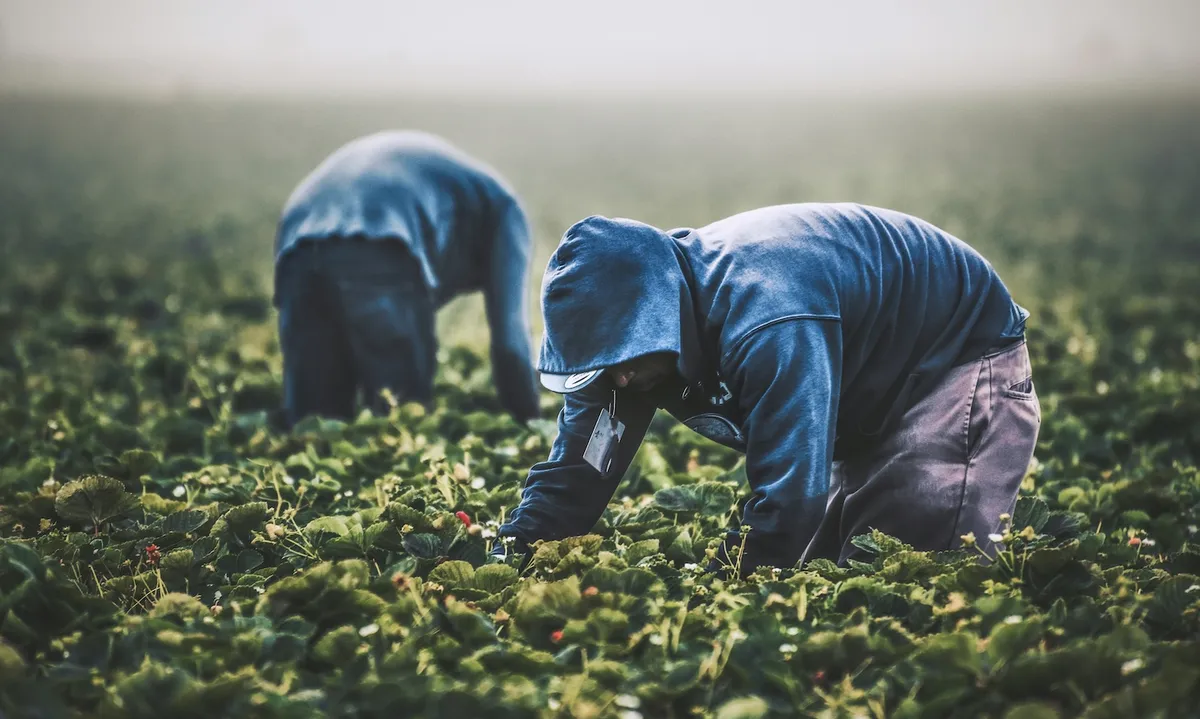
Closer to home, a federal judge just smacked down illegal wage cuts for seasonal farm workers in the U.S. The Department of Labor (DOL) had, almost a year ago, decided to trim farm worker wages by US$3-7 an hour. The judge, clearly not a fan of that math, has now ordered the DOL to come up with a new, fairer wage formula. The UFW Foundation, which had rightly called out the previous administration for basically creating conditions ripe for exploitation, is celebrating. The DOL now has to not only set new rates but also inform employers they might owe some serious backpay. Someone's accountant just had a heart attack.

Over in Afghanistan, the European Union is injecting an extra €15 million (US$17.3 million) into the country's food systems, channeled through the World Food Programme (WFP). This cash is earmarked for improving food security, building climate resilience, supporting school feeding programs, and helping communities manage natural resources sustainably. Afghanistan is currently grappling with one of the planet's worst hunger crises, so this funding is a welcome, albeit still insufficient, lifeline. The WFP says it will create opportunities for women and young people, which, if you think about it, is both impressive and slightly terrifying given the circumstances.
And finally, a success story from Tanzania. The nation has dramatically boosted its domestic seed production, now growing 81% of its seeds within its own borders. Back in 2010, most commercial seeds were imported, meaning Tanzania was basically outsourcing its agriculture. Smallholder farmers are the unsung heroes here, providing over two-thirds of locally used seeds through informal networks. Groups like the Tanzania Alliance for Biodiversity are also pushing for access to indigenous seed varieties, which — surprise, surprise — are often better at fending off pests and extreme weather. Because sometimes, the old ways are the best ways, and independence tastes pretty good.