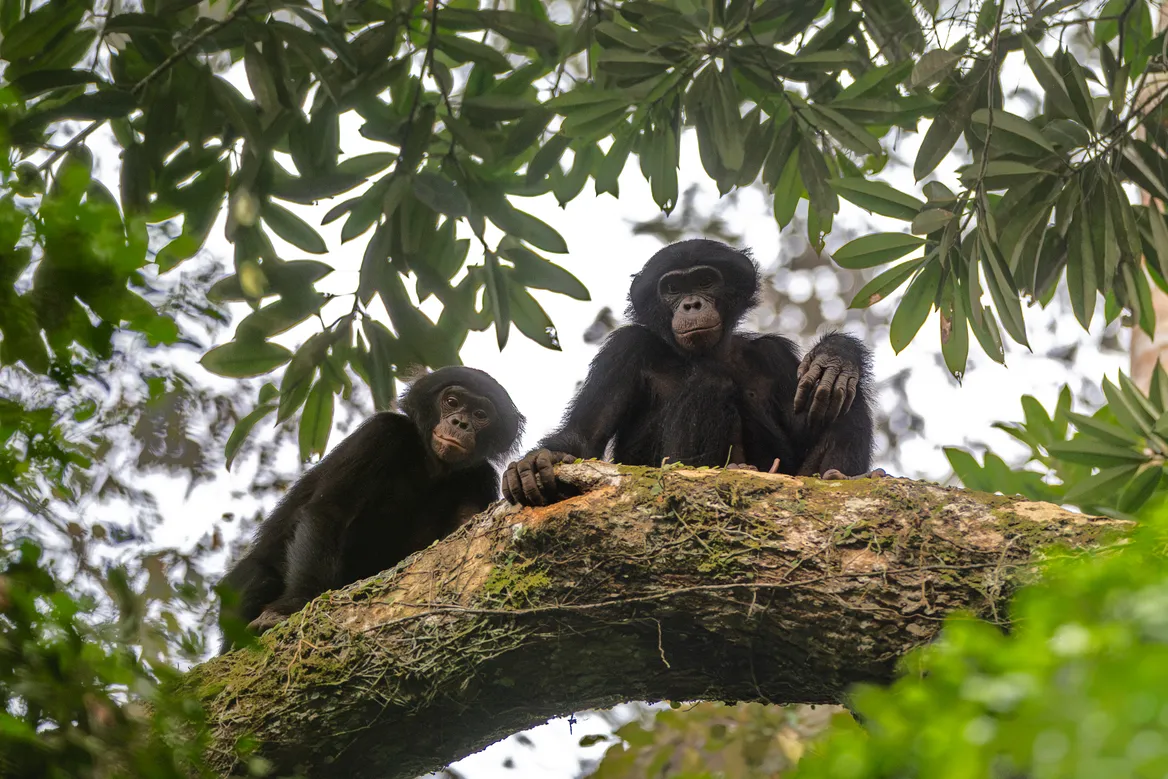
Imagine trying to make friends with someone who lives in a tree, communicates mostly through hoots, and considers you, at best, a very loud, hairless curiosity. Now imagine doing that every single day for four years.
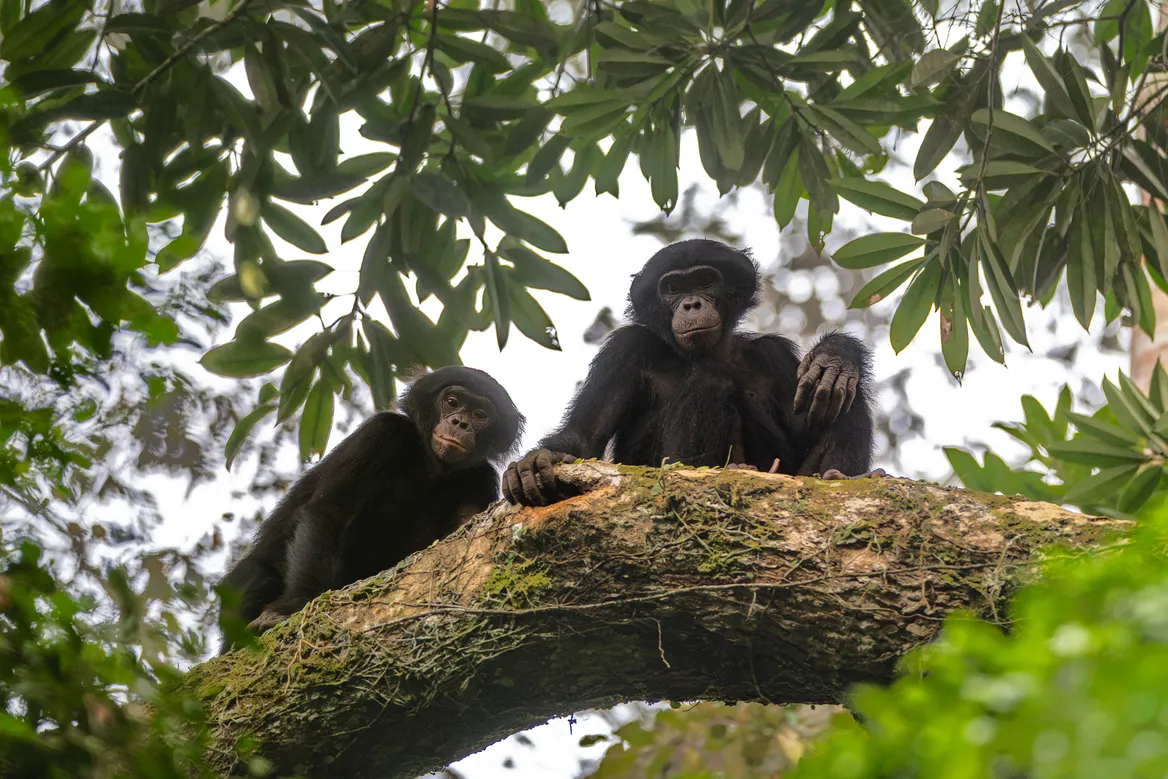
That's the job description for a dedicated team deep in the Democratic Republic of Congo's Salonga National Park. Their mission? To convince a group of wild bonobos (Pan paniscus) that humans aren't a threat, but just… part of the furniture. It's called habituation, and it's less about high-fives and more about an extreme form of patience.

Why bother? Because once these apes accept human presence, scientists can actually study them. We're talking about understanding their intricate social lives, their diets, their health — basically, everything that makes a bonobo a bonobo. Which, if you think about it, is both impressive and slightly terrifying. Imagine having someone just watch you for years until you stop caring.
We're a new kind of news feed.
Regular news is designed to drain you. We're a non-profit built to restore you. Every story we publish is scored for impact, progress, and hope.
Start Your News DetoxThe Ultimate Daily Commute
The day begins around 3 a.m. for these trackers and researchers. Some of these trackers, in a fascinating twist, are former poachers. They trek through the dense, remote rainforest to reach the bonobos' previous night's nesting site before the apes even wake up. Because nothing says "friendly observer" like showing up before coffee.
From that point, it's a full-day shadow game. They follow the bonobos from dawn until the apes construct their new, cozy nests for the night. Felix Bofeko, an assistant researcher, puts it simply: the goal is consistent, friendly, non-intrusive contact. The bonobos eventually just… shrug, metaphorically speaking, and go about their business. And that, after four years of dedication, is a beautiful thing.