For 10 days, four astronauts made history. They traveled further into space than humans ever have before. They journeyed to the Moon and back.
Rebecca Morelle, a science editor, followed every moment of the Artemis II mission. This included the launch, their close encounter with the Moon, and the tense landing.
Before they launched, the crew said astronauts are calm on launch day. Morelle, however, was not.
We're a new kind of news feed.
Regular news is designed to drain you. We're a non-profit built to restore you. Every story we publish is scored for impact, progress, and hope.
Start Your News DetoxThe Force of the Blast Passes Right Through You
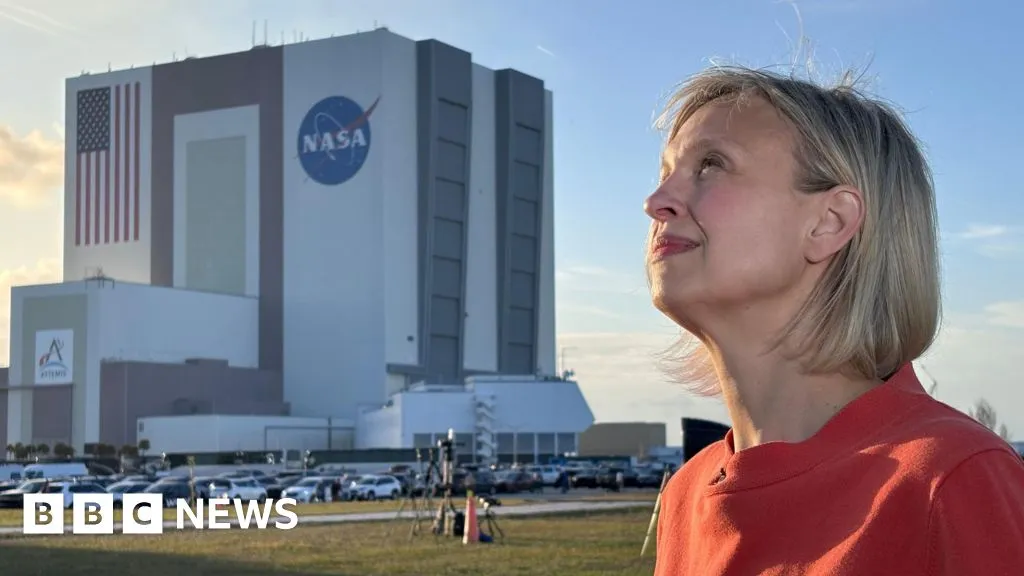
Morelle's excitement was clear as the rocket launched. She stood by the countdown clock at the Kennedy Space Center in Florida. The experience was powerful.
The rocket's brightness was blinding. The roar was deafening. The force of the blast went right through her. Most of all, she couldn't believe four people were strapped into a 98-meter-tall rocket heading to the Moon.
Reid Wiseman, Victor Glover, Christina Koch, and Jeremy Hansen got their first look at Earth from space. Glover said, "Planet Earth, you look beautiful." Then, they began their 250,000-mile journey to the Moon.
The crew quickly adjusted to microgravity. Live video from inside their capsule showed how cramped they were. They lived, worked, ate, and slept in a space about the size of a minibus. They had no privacy from each other or from the millions watching worldwide.
NASA
Reid Wiseman, Victor Glover, Christina Koch and Jeremy Hansen were living, working, sleeping and eating in a space the size of a minibus
Their toilet, called the Universal Waste Management System, had plumbing issues. This $23 million toilet caused some intimate details to be shared. During a media briefing, questions were asked about their "number ones and number twos."
It was confirmed that "number twos" were fine. For "number ones," they used collapsible contingency urine devices, which are basically bags with funnels.
Inside Nasa's Mission Control
At the Johnson Space Center in Houston, the team spent time in Mission Control. This is the central hub for the entire operation. The team watched their screens closely, monitoring all spacecraft systems. This included navigation and life support.
This was a test flight, the first time humans had flown on both the rocket and the spacecraft. Test flights come with real risks.
 BBC/Kevin Church
The nerve center of the entire operation
Canadian astronaut Jeremy Hansen spoke about these risks before the launch. He told Morelle he had discussed with his wife and three children that he might not return. Reid Wiseman also had honest talks with his two daughters about the dangers. He raised them as a single dad after his wife died six years ago.
This loss led to a touching moment during the mission.
Crater Called Carroll
As the crew neared the Moon, new features became visible. They named a crater, a bright spot seen from Earth, after Reid's late wife, Carroll.
The crew, all in tears, hugged their commander. Back in Houston, there wasn't a dry eye in Mission Control, including the BBC team.
 NASA
NASA
The crew named a crater - a bright spot visible from Earth - after Reid's late wife Carroll
Everyone at NASA, from its head Jared Isaacman to fellow astronauts, scientists, and engineers, cared deeply about this crew. They rooted for their success. And succeed they did.
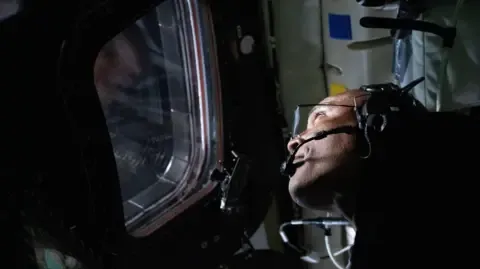
The Artemis astronauts broke Apollo 13's record for the furthest distance traveled into space. They continued, taking thousands of images and recording descriptions of the Moon. They voyaged 252,756 miles from Earth.
 NASA
NASA
Staring into space: Pilot Victor Glover enjoys the view
The mission carried the legacy of Apollo. Messages from Apollo astronauts Charlie Duke and Jim Lovell were played for the crew. Some wondered if this was just a trip down memory lane. Why spend an estimated $93 billion to go back to the Moon?
NASA administrator Isaacman wants to build on Apollo, not just repeat it. He has plans for lunar exploration, including a landing in 2028 and a Moon base. In the future, he aims to send humans to Mars.
Some question if astronauts are needed for Moon exploration when orbiters, rovers, and landers can do the job. Isaacman believes human exploration is part of our DNA, but he acknowledges the risks. These risks were most apparent during the crew's return to Earth.
Coming Home
 NASA
NASA
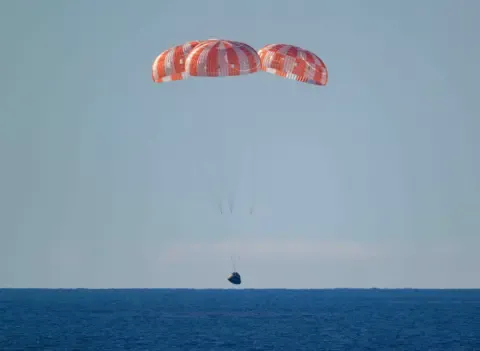
Homecoming - one of the riskiest parts of the mission
The return to Earth was the mission's final and biggest challenge. Victor Glover described re-entry as riding a fireball through the atmosphere. The capsule faced temperatures half as hot as the Sun's surface.
Watching from Mission Control was nerve-wracking. Communications dropped for six long minutes as the capsule neared Earth. Relief filled the room when a bright white dot appeared above the ocean. Wiseman's voice then rang out, "Houston, We have you loud and clear."
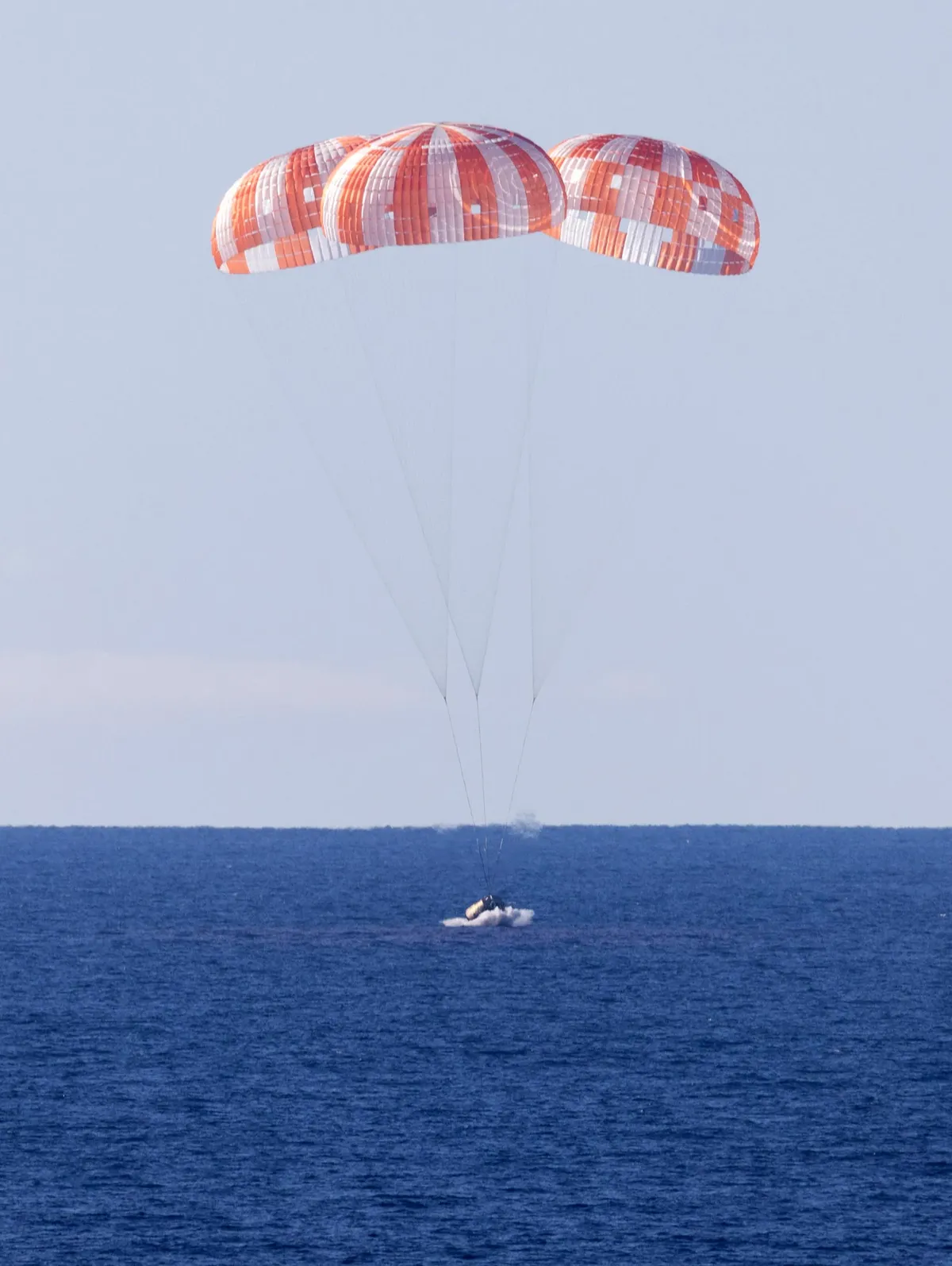
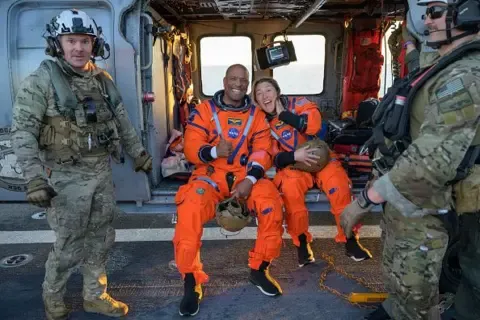
The capsule descended with huge parachutes, splashing down gently in the Pacific Ocean. The astronauts were back on Earth. The calm atmosphere in Mission Control broke into celebrations. The Houston team and thousands of project workers had safely brought their friends home.
The Artemis astronauts had an extraordinary experience. They acknowledged it would take time to fully process. They also formed an extraordinary connection.
 NASA
NASA
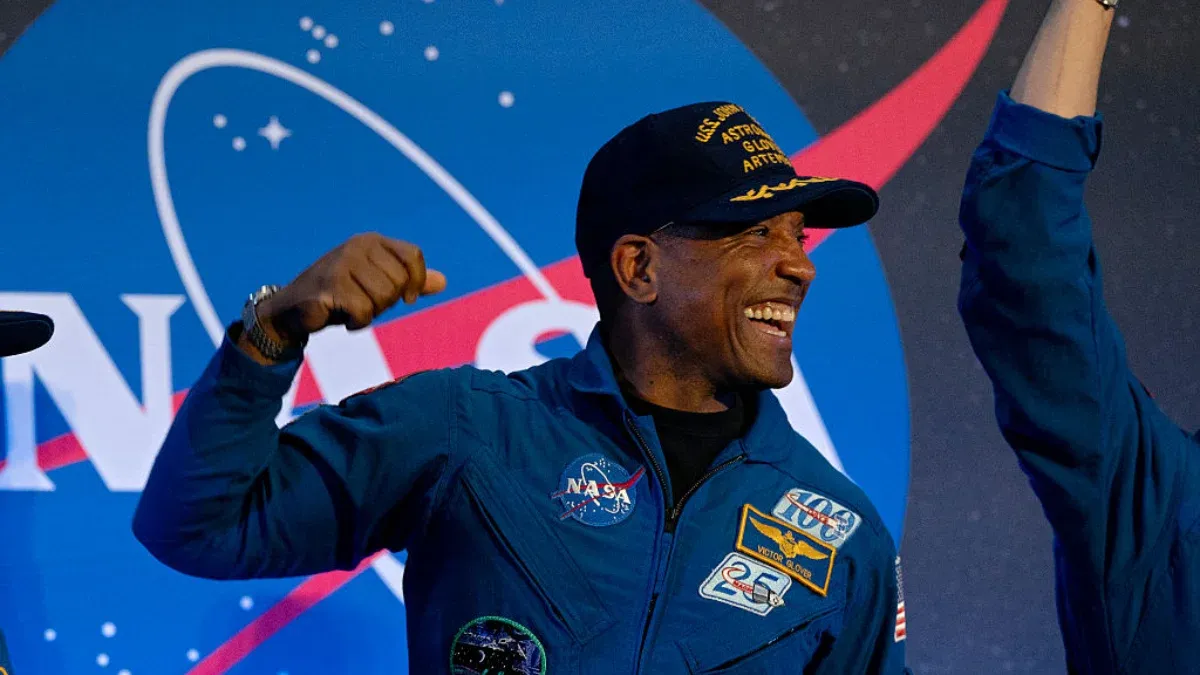
Victor Glover and Christina Koch pose for a photo after splashdown
Morelle spoke to the crew in space. She asked what they would miss most. Christina Koch immediately said she would miss the camaraderie. The crew had become like family.
Reid Wiseman, Victor Glover, Christina Koch, and Jeremy Hansen went to space relatively unknown. They returned as household names. It felt like watching history unfold. Morelle and her team were surprised by how much the mission captivated people. They reported around the clock to meet the demand for space news.
For a few days, the astronauts transported millions worldwide away from Earth. They let everyone ride along. If NASA achieves its ambitious plans, and other countries follow, we will all be back for more.