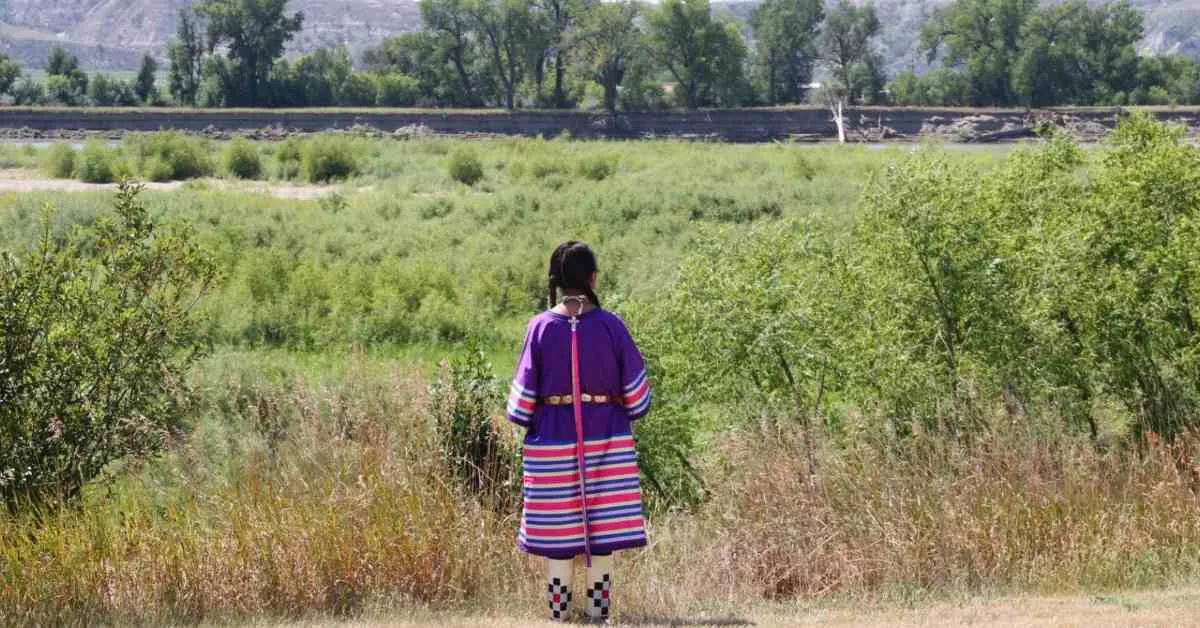
In 1969, the National Park Service burned down Wahhoga Village in Yosemite, scattering the last Southern Sierra Miwuk families into surrounding towns. Fifty years later, those same families are rebuilding it.
Deborah Tucker, a member of the American Indian Council of Mariposa County, watched her relatives dispersed that day. Now she's working to restore what was taken — and it's working. After the NPS committed to co-stewardship in 2018, Wahhoga has been reconstructed with traditional Miwuk dwellings, acorn granaries, and roundhouse ceremonies. "It's finally really flourishing," Tucker said. For her, the work carries a personal weight: she's trying to see the village restored in her father's lifetime.
Wahhoga is no longer an isolated victory. Across the country's national parks, Indigenous communities are moving from the margins to decision-making roles — a shift that's reshaping how these lands are managed and interpreted.
We're a new kind of news feed.
Regular news is designed to drain you. We're a non-profit built to restore you. Every story we publish is scored for impact, progress, and hope.
Start Your News DetoxA New Chapter for Public Lands
At Hawaiʻi Volcanoes National Park, visitors now watch films featuring kūpuna (community elders) teaching hula and traditional crop cultivation. Glacier National Park visitors can book tours through Backpacker's Ferry, a Blackfeet-owned company that pairs scenic landscapes with cultural history. At Yellowstone's five entrances, traditional teepees patterned with tribal stories greet arrivals. Victoria Cheyenne of the Northern Cheyenne and Aymara nations explained the intention: "We're hoping that guests use it as an opportunity to reflect and think about the 27 associated tribes of the lands that are now known as Yellowstone."
This visibility matters because it corrects a century-old erasure. Indigenous perspectives shaped these landscapes for millennia before they became national parks — and often, that knowledge was dismissed or suppressed entirely.
The shift toward co-stewardship is also proving practical. In Southeast Alaska, the Hoonah Native Forest Partnership has been reviving 17,000 salmon streams across Tongass National Forest (the nation's largest) since 2015. They combine ancestral Tlingit knowledge with modern science, working alongside the Alaska Department of Fish and Game and the U.S. Forest Service. Richard Chalyee Éesh Peterson, president of the Central Council Tlingit and Haida Indian Tribes of Alaska, framed it simply: "These lands are the traditional territory of our people. As a federally recognized tribe, it's our responsibility to steward these lands on behalf of our people."
The momentum extends beyond park boundaries. After winning his Arizona Senate seat in 2024, Rubén Gallego reintroduced the Northeastern Arizona Indian Water Rights Settlement Act — legislation that would restore Colorado River water rights to the Navajo Nation, the Hopi Tribe, and the San Juan Southern Paiute Tribe. Johnny Lehi, Jr. of the San Juan Southern Paiute tribe said the bill "establishes our homeland, ensures our water rights, and provides for secure infrastructure." It's been a long time coming.
What's happening now is a reckoning with how national parks were created — often by displacing the people who had lived there. But it's also a recognition that Indigenous stewardship works. These communities have managed these lands successfully for centuries. Bringing them back into leadership roles isn't just about justice. It's about protecting these places for the next generation.