The Getty Foundation and the National Trust for Historic Preservation just dropped the final round of grants for their "Conserving Black Modernism" initiative. Because, apparently, there's still a lot of incredibly important architecture out there by Black designers that needs saving.
Five projects are each getting a cool $150,000 — that's $750,000 in this go-round — to whip up detailed preservation plans. Think of it as a very fancy architectural MRI, ensuring these buildings stick around for the long haul.
More Than Just Buildings
These aren't just any old structures. They're testaments to pioneering architects and community resilience. The lucky five include:
We're a new kind of news feed.
Regular news is designed to drain you. We're a non-profit built to restore you. Every story we publish is scored for impact, progress, and hope.
Start Your News Detox- Central City Plaza in Milwaukee
- Martin Luther King Jr. Humanities Center at Texas Southern University in Houston
- Park-Johnson Hall at Fisk University in Nashville
- Southwest Corridor in Boston
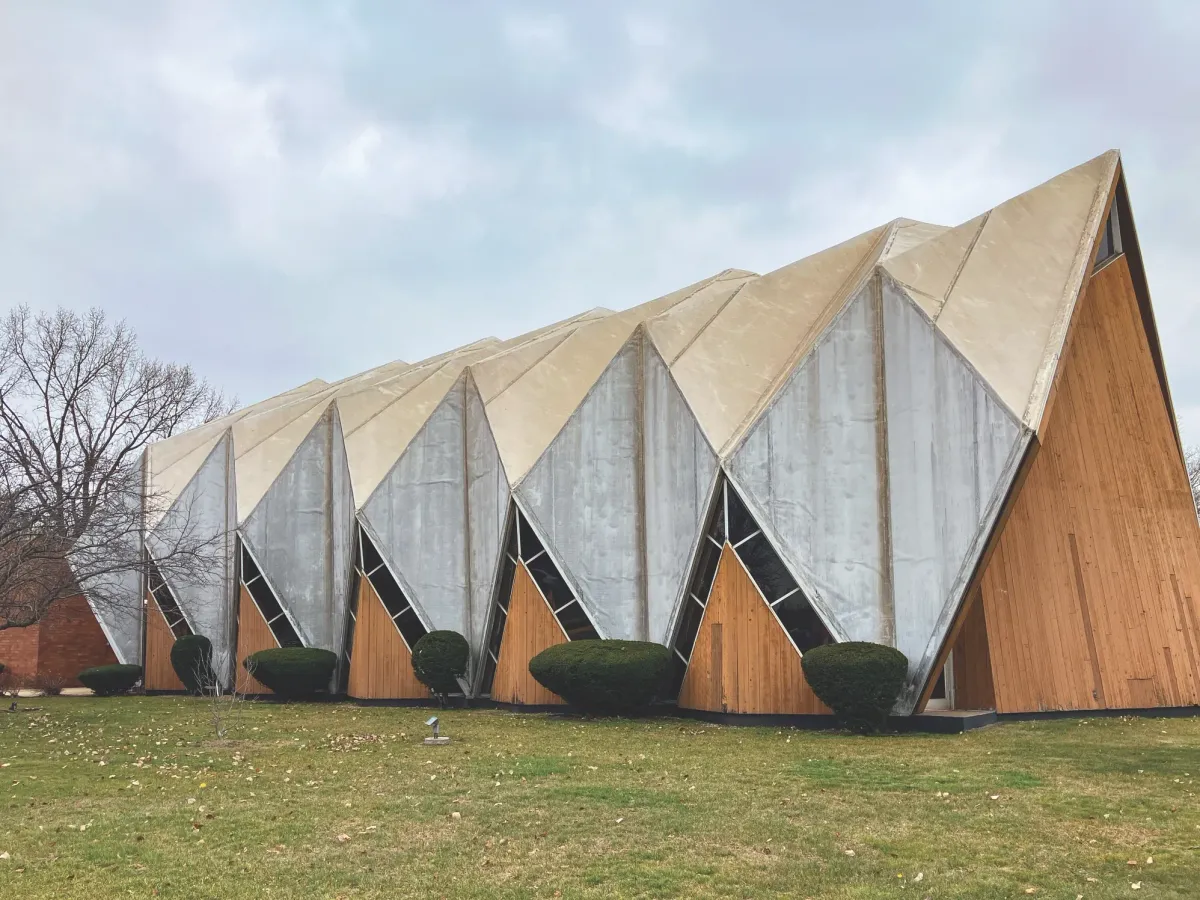
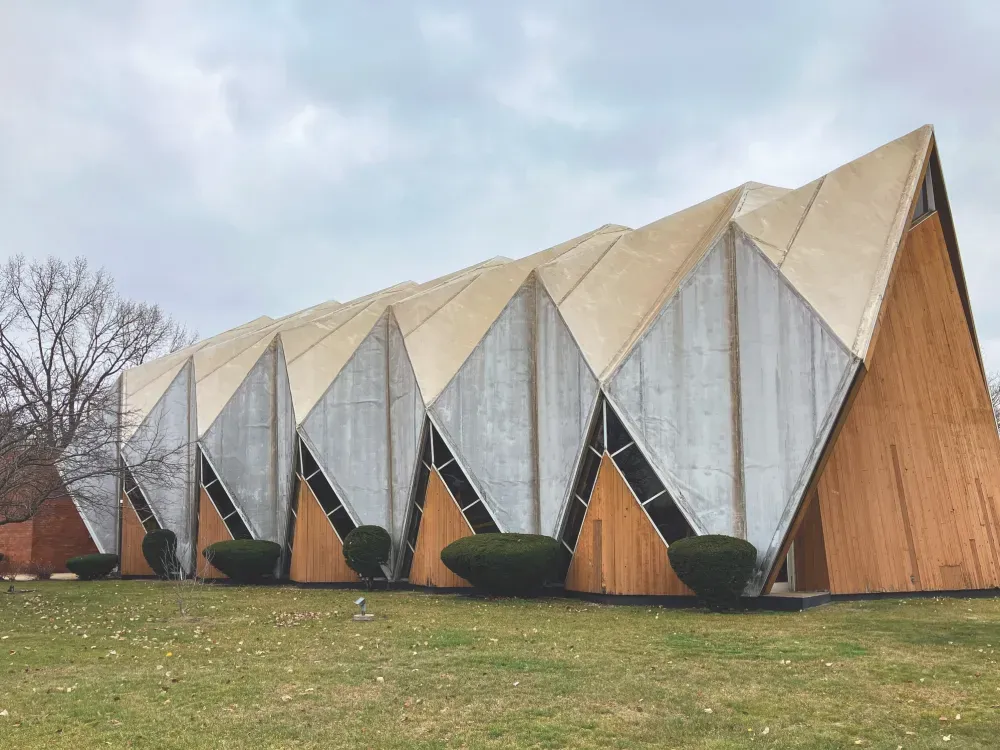
- St. Mark AME Zion Church in East Chicago, Indiana
Many of the architects behind these gems broke serious ground. Alonzo Robinson Jr., who designed Milwaukee's Central City Plaza (the city's first Black-owned mall, by the way), was Wisconsin's first licensed Black architect. Wendell Campbell, who gave us St. Mark AME Zion Church, was instrumental in founding the National Organization of Minority Architects.
Then there's Moses McKissack III, whose firm was the oldest Black-owned architecture practice in the entire U.S., and John Saunders Chase Jr., the first licensed Black architect in Texas and the first African American on the U.S. Commission of Fine Arts. These buildings, built between 1954 and 1987, aren't just structures; they're chapters in American history books.
Take Boston's Southwest Corridor. It's a 52-acre park and subway line that sits on land originally slated for a highway. Community activists swooped in, said "hard pass" to the highway, and transformed it into a vibrant green space. Which, if you think about it, is both impressive and slightly terrifying for anyone who's ever tried to get a city council to agree on a new bike lane.
The Unseen History Gets Its Due
Joan Weinstein, the Getty Foundation's director, noted that this initiative has broadened the very definition of modernist architecture, bringing much-deserved attention to Black excellence in design, activism, and sheer resilience. It's almost like history books sometimes miss a few pages. Almost.
This whole program started in 2022 after the Getty had a bit of an "oops" moment. Their prior "Keeping It Modern" initiative, which dropped $11.8 million on preserving modernist buildings, somehow managed to miss every single one designed by a Black architect. You know, just a minor oversight. They've since corrected course, extending the program through 2026 and injecting $4.85 million into 26 historic sites.
Brent Leggs, the National Trust's new president, summed it up perfectly: these grants ensure that the full American story — not just the highlights reel — gets preserved. Because some stories are too important to fade into the blueprints of history.