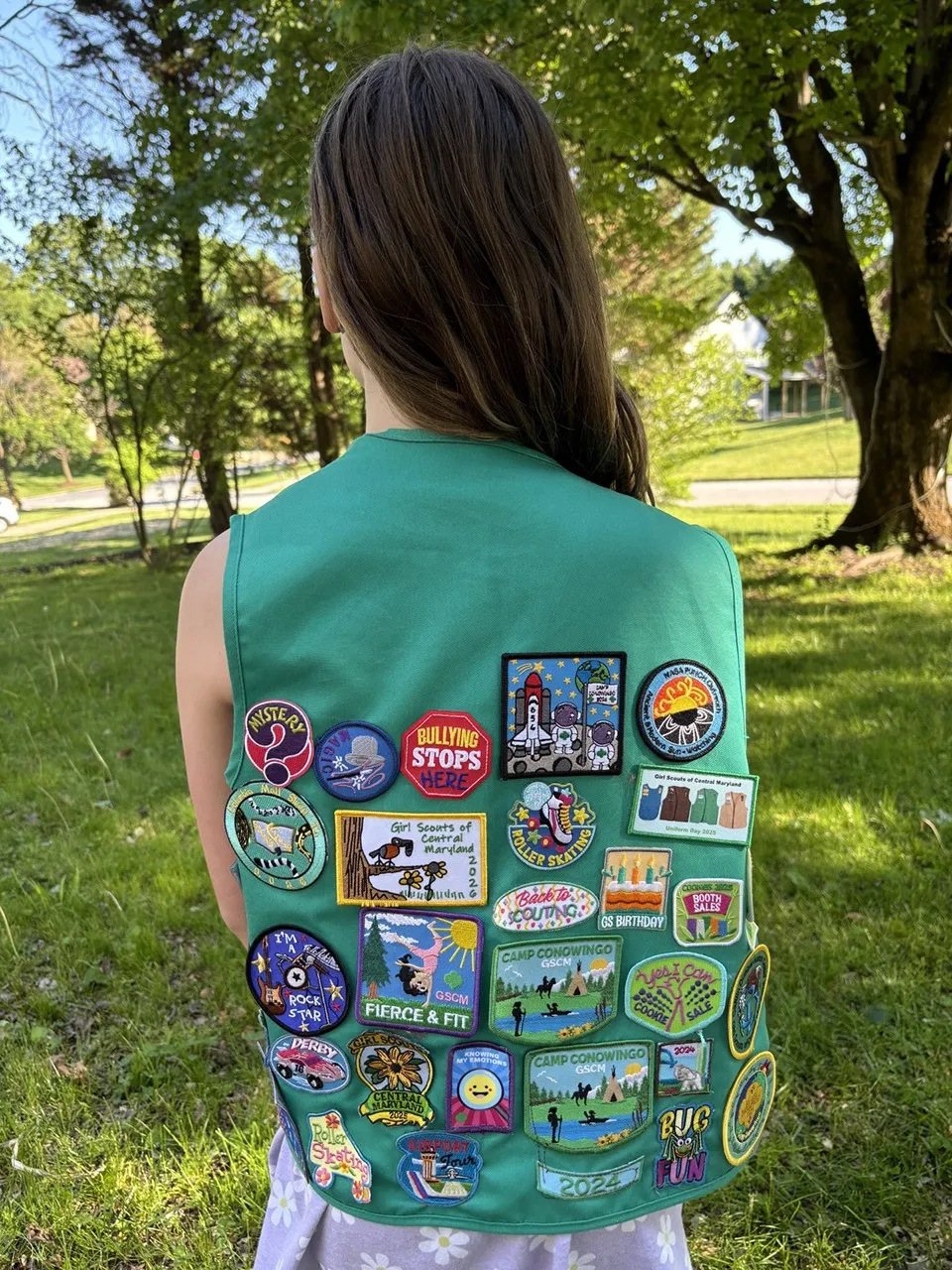
Remember those camping trips where you learned to tie knots and maybe, just maybe, started a fire without adult supervision? Well, at Camp Conowingo, the Girl Scouts took it several light-years further. They didn't just earn a Space Science badge; they did it with actual NASA scientists, a little help from Jupiter, and a healthy dose of traditional archery.
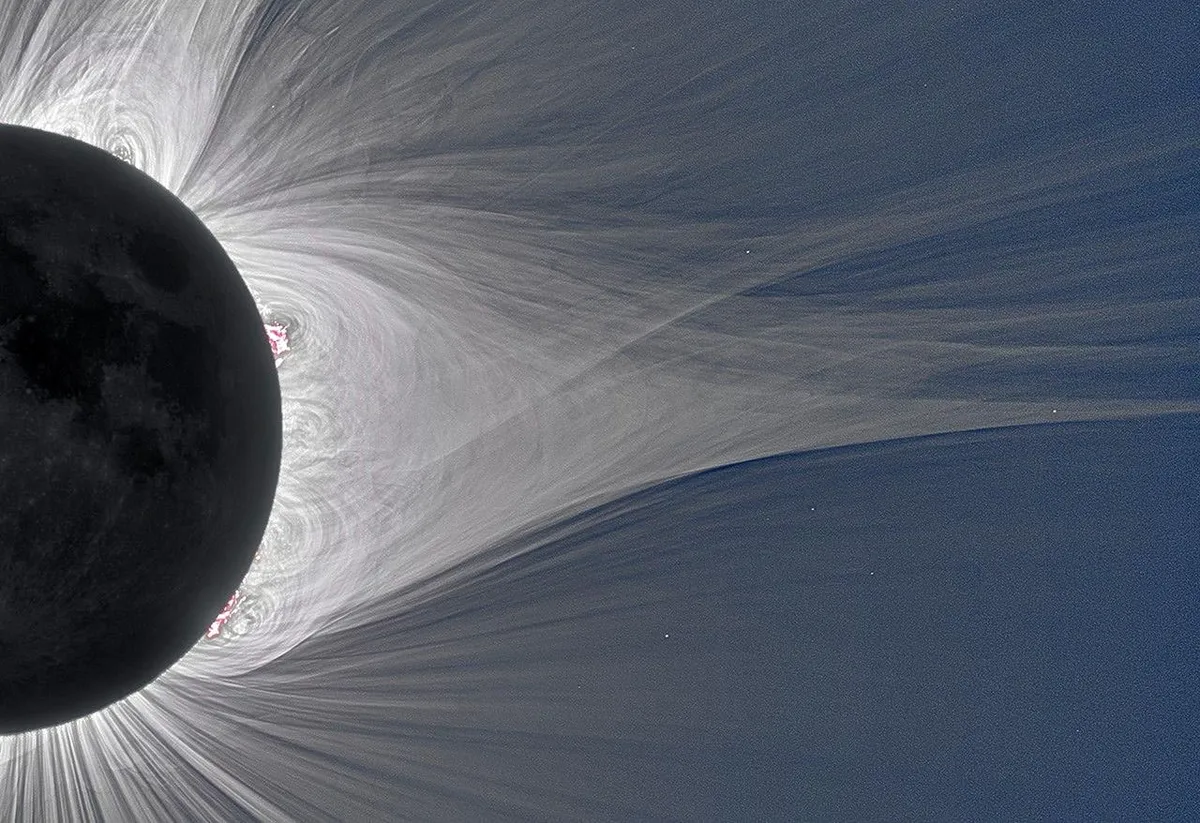
One hundred sixty-five Girl Scouts from across the region descended upon the Susquehanna River property for a three-day heliophysics extravaganza. Led by NASA heliophysicist Nicholeen Viall and supported by the very aptly named Heliophysics Education Activation Team (HEAT) and NASA’s PUNCH mission, these scouts didn't just look at stars — they understood them.
From Polarized Sunglasses to Planet Walks
Imagine seven activity stations, each designed to make space science less like a textbook and more like, well, an adventure. The girls, split into constellation-named groups (because of course), rotated through everything from experimenting with polarized sunglasses and UV beads (Station 2) to role-playing the PUNCH mission (Station 3). They even got a scaled Solar System Walk (Station 4) that put the sheer, mind-boggling distance between planets into perspective.
We're a new kind of news feed.
Regular news is designed to drain you. We're a non-profit built to restore you. Every story we publish is scored for impact, progress, and hope.
Start Your News DetoxAnd because balance is key, Station 7 offered a vital skill for any future astronaut: bow and arrow practice. Because apparently, that's where we are now. Space exploration and precision archery. Let that sink in.
But it wasn't all just hands-on fun. The girls learned how scientists study the Sun, the heliosphere, the Moon, and beyond. They saw how space weather directly impacts our lives — a key goal for HEAT education. And in a particularly clever move, older Girl Scouts (high school seniors, no less) ran five of the seven stations, mentoring the younger ones. As Viall put it, it was "really cool, to see the older girls teaching the younger girls the [science] concepts."
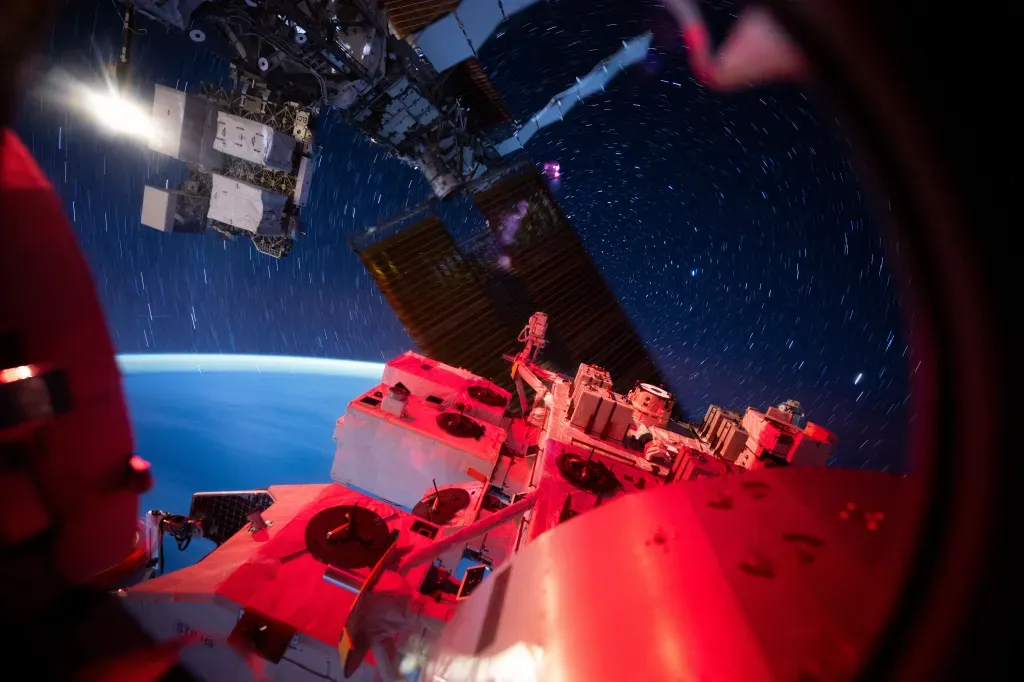
Evenings were spent under the real stars, spotting the Moon and Jupiter through telescopes, courtesy of NASA Solar System Ambassadors and the National Capitol Astronomers. And the campfire skits? About half of them were dedicated to space, the Sun, astronauts, and exploring Mars. Because when you spend a weekend with NASA, apparently, your priorities shift.
This event, which maxed out the camp's capacity and left three troops on a waiting list, wasn't just about inspiring future scientists. It was about showing that a NASA mission isn't just for rocket scientists and engineers. As Viall pointed out, it takes "financial analysts, it’s communications people, it’s good writers, it’s good artists." Basically, if you're good at something, NASA probably needs you. Just maybe brush up on your archery, too.