Imagine a car alarm going off and just… never stopping. For 19 days. That’s essentially what the Sun did back in August 2025, according to NASA scientists who are still scratching their heads. They detected a solar radio burst that lasted for an unprecedented 19 days, absolutely shattering the previous record of a few hours to a few days. Because apparently, the Sun decided to go for an endurance run.
This marathon of a burst was a Type IV, which basically means electrons got snagged in the Sun's magnetic field, creating a cosmic traffic jam that emitted radio waves. While the waves themselves aren’t going to fry your smartphone, the magnetic conditions that spawn them can definitely mess with satellites and spacecraft. So, understanding these long-winded solar tantrums is crucial for predicting when our space tech might get a bit… temperamental.
Chasing a Cosmic Signal
To piece together this epic event, researchers had to play detective across the solar system. They pulled data from a whole fleet of spacecraft: NASA's STEREO, Parker Solar Probe, and Wind missions, plus the ESA and NASA's Solar Orbiter. Because the Sun is kind enough to rotate, the burst swung into view of different spacecraft over its nearly three-week performance.
We're a new kind of news feed.
Regular news is designed to drain you. We're a non-profit built to restore you. Every story we publish is scored for impact, progress, and hope.
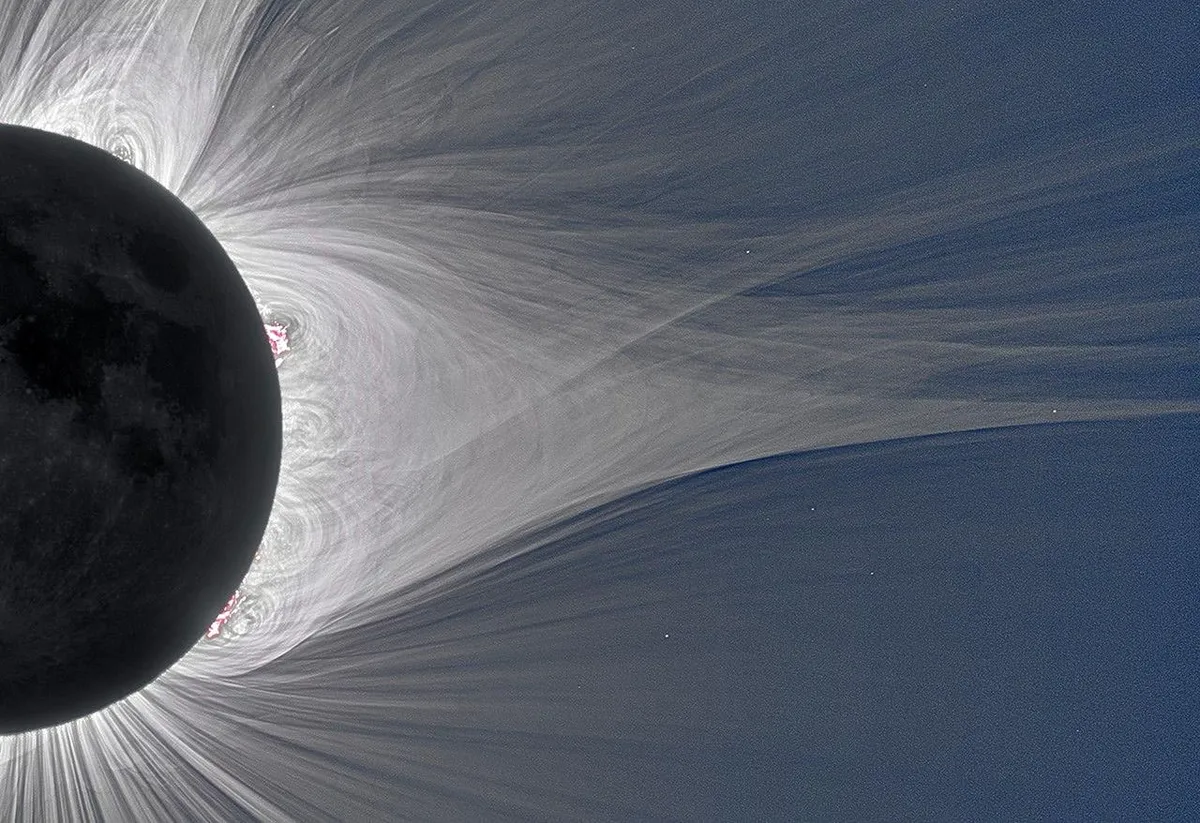
Start Your News DetoxEach mission grabbed a few days of the signal, and by stitching it all together, scientists got a full, glorious timeline of the Sun's stubborn noise. They even cooked up a new method using STEREO data to pinpoint the burst's origin to a massive magnetic structure called a helmet streamer. And the kicker? They suspect three coronal mass ejections – basically, giant solar burps of plasma and magnetic energy – kept this party going for almost three weeks straight.
The findings, published in Astrophysical Journal Letters, are more than just a cool space story. They’re a crucial step toward better identifying and understanding these long-duration solar radio bursts. Which, in turn, means better space weather forecasts. Because knowing when the Sun is about to throw a magnetic fit could save us a lot of headaches, and a lot of very expensive satellites. Let's just hope its next record-breaker isn't 20 days.