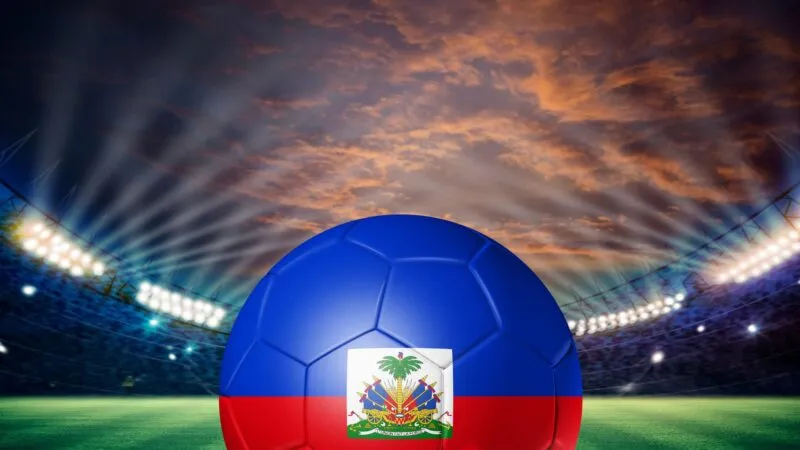
Haiti's national football team, affectionately known as "Les Grenadiers," just pulled off a historic feat: qualifying for the World Cup for the first time since 1974. They clawed their way out of a brutal Concacaf qualifying group that included powerhouses like Brazil and Morocco. And yes, they currently sit at the bottom of their World Cup group, just behind Scotland. But for a nation where football is less a sport and more a religion, this is about so much more than the scoreboard.
Kicking Through Chaos
Here’s the thing about playing football in Haiti: it's complicated. Most of the country's sports facilities are either unusable or outright destroyed, often by armed gangs. Take the FIFA Goal Center, a youth training academy — it was reportedly torched after being taken over by the 400 Mawozo gang. Even the historic Sylvio Cator National Stadium in Port-au-Prince was seized and ransacked in 2024. The Olympic Center? Also in a gang-controlled zone. Sports, it turns out, are a prime target.
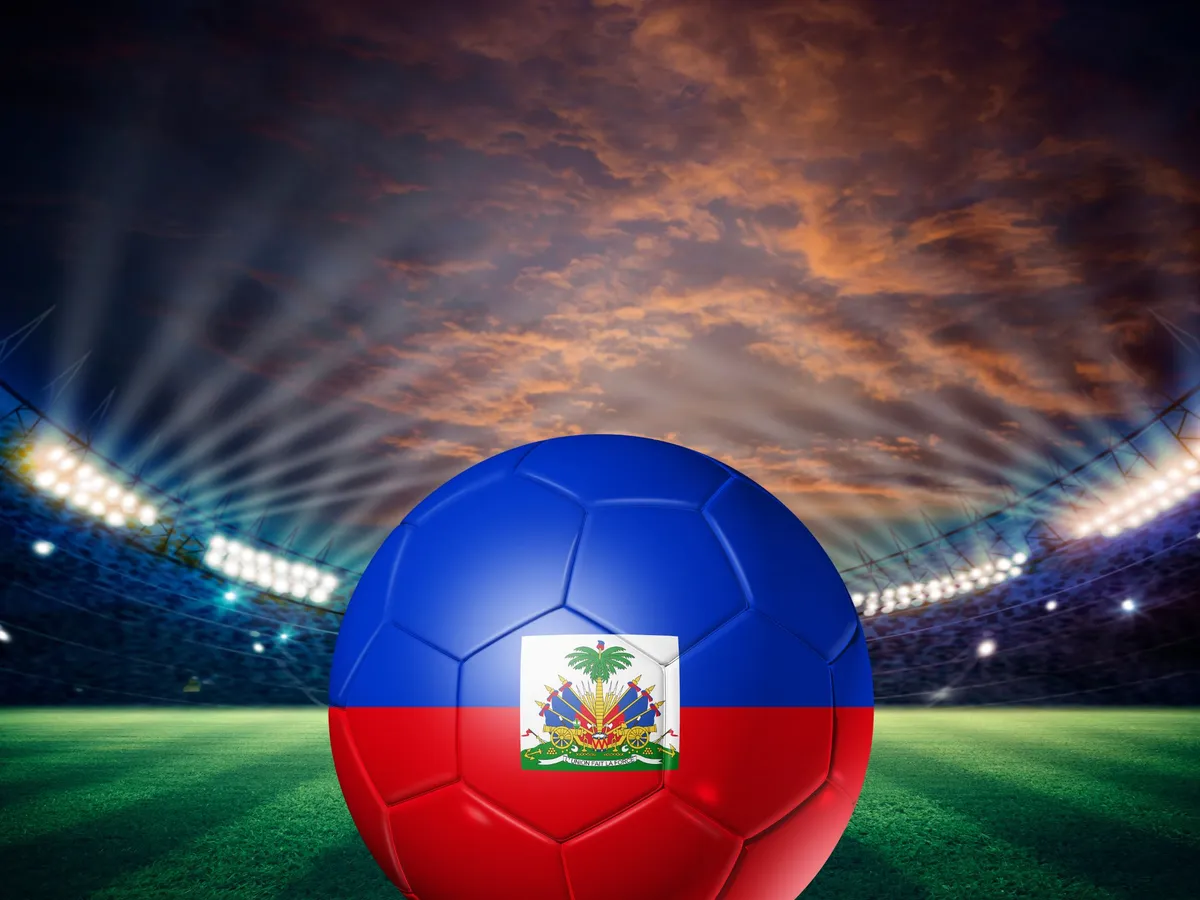
Given this backdrop, the Grenadiers' success is nothing short of astounding. Most of the team's talent plays abroad or holds dual nationality, with only one player, Wédensky Pierre, hailing from the local league (which, by the way, has largely ground to a halt due to insecurity). Key names like Duckens Nazon, Wilson Isidor, Frantzdy Pierrot, and goalkeeper Johny Placide are the ones carrying the torch.
We're a new kind of news feed.
Regular news is designed to drain you. We're a non-profit built to restore you. Every story we publish is scored for impact, progress, and hope.
Start Your News DetoxTheir qualification on November 18, 2025, wasn't just a win; it landed on the anniversary of the 1803 Battle of Vertières, Haiti's independence day. The timing was almost too perfect. Across the globe, Haitians erupted in celebration. Back home, rara walking bands filled the streets. As one fan, Marc, put it, it was a message to the world: Haiti is more than just gang violence. It's a rich people with much to prove.
After qualifying, team vice-captain Ricardo Adé, who plays in Ecuador, had a direct message for both gangs and the government: "Open the country." A stark reminder that even as the nation celebrated, main roads remained choked by blockades.
Flags, Fan Zones, and Fierce Pride
As the World Cup unfolded, Haiti was awash in enthusiasm. Neighborhoods were decorated, flags flew from cars, and street vendors sold thousands of jerseys. To make sure no one missed out, the government even set up big-screen TVs in remote villages, town halls, and even displaced persons' camps. Because if ever there was a time for collective joy, this was it.
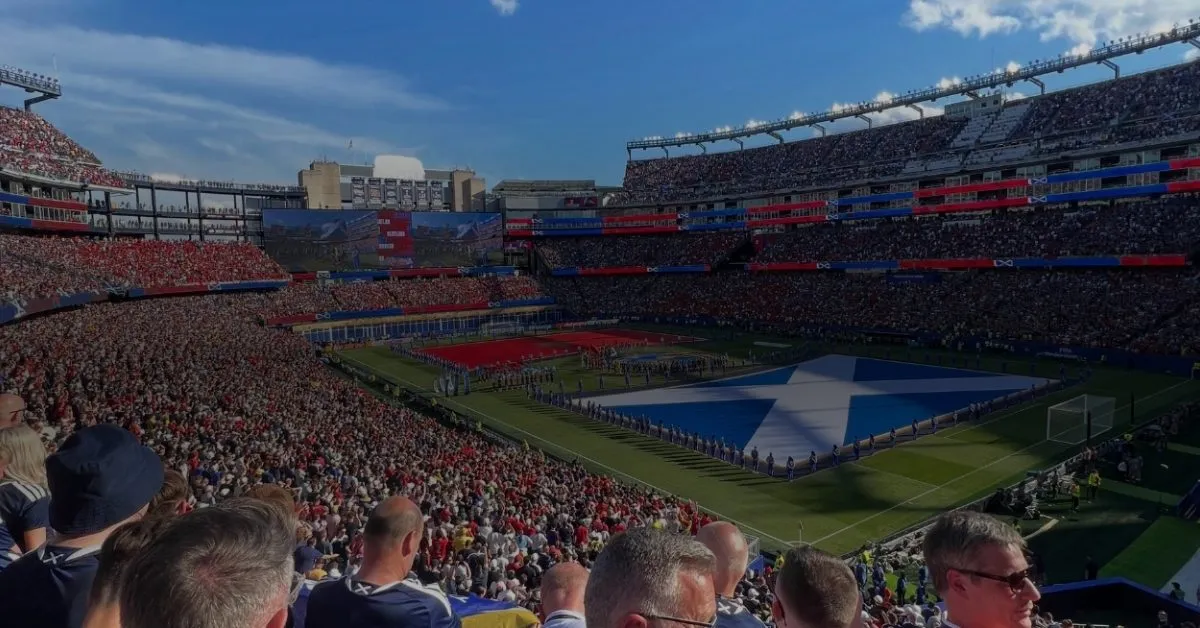
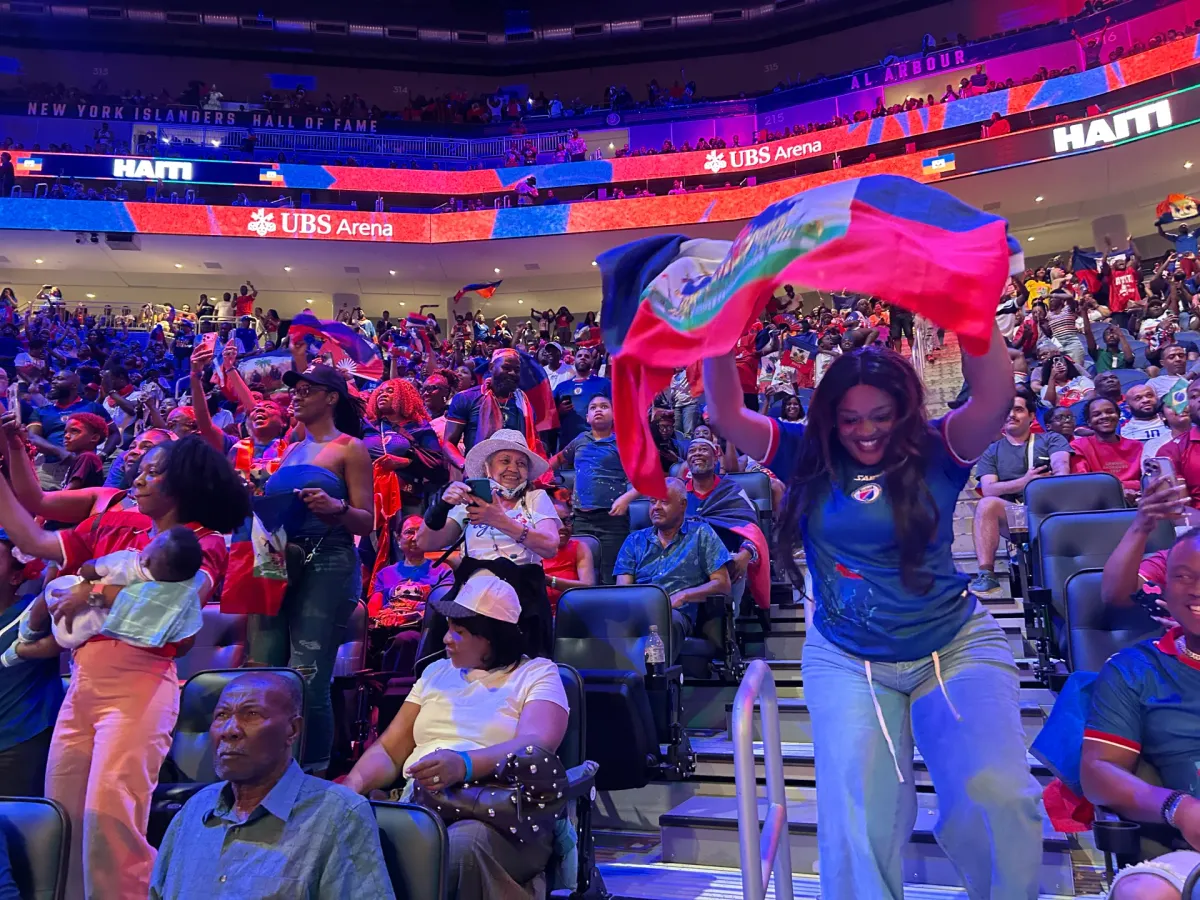
The Grenadiers' World Cup journey was a tough one. They lost their opener 1-0 to Scotland in New Jersey, then fell 3-0 to Brazil in Boston. Haitian communities in the US turned out in force, creating a sea of red and blue, a temporary escape from daily worries. Even knowing they'd be eliminated, they fought hard in their final match against Morocco, scoring two goals in a 4-2 loss.
Back home, fan zones were electric. On social media, fans poured out gratitude. Nadia, a Haitian woman in the Dominican Republic, summed it up perfectly: the Grenadiers changed the international narrative. For a brief, shining moment, the world saw Haiti's resilience, its pride, and its undeniable spirit. The journey might be over, but the joy it brought? That's sticking around.