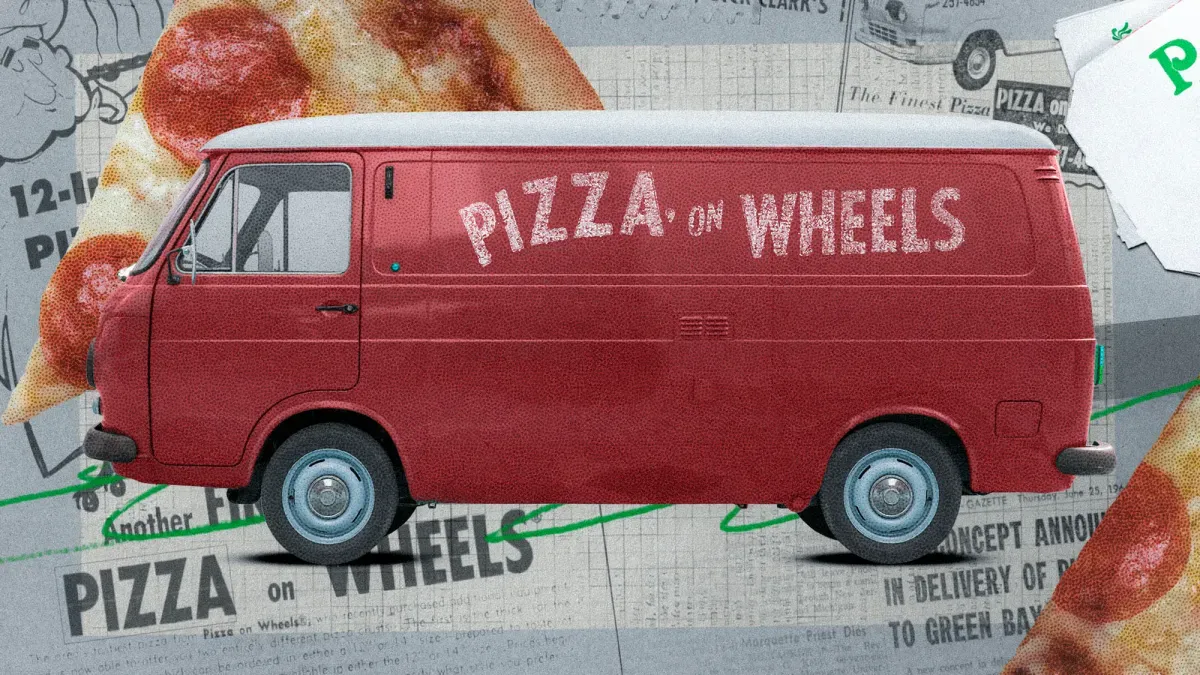
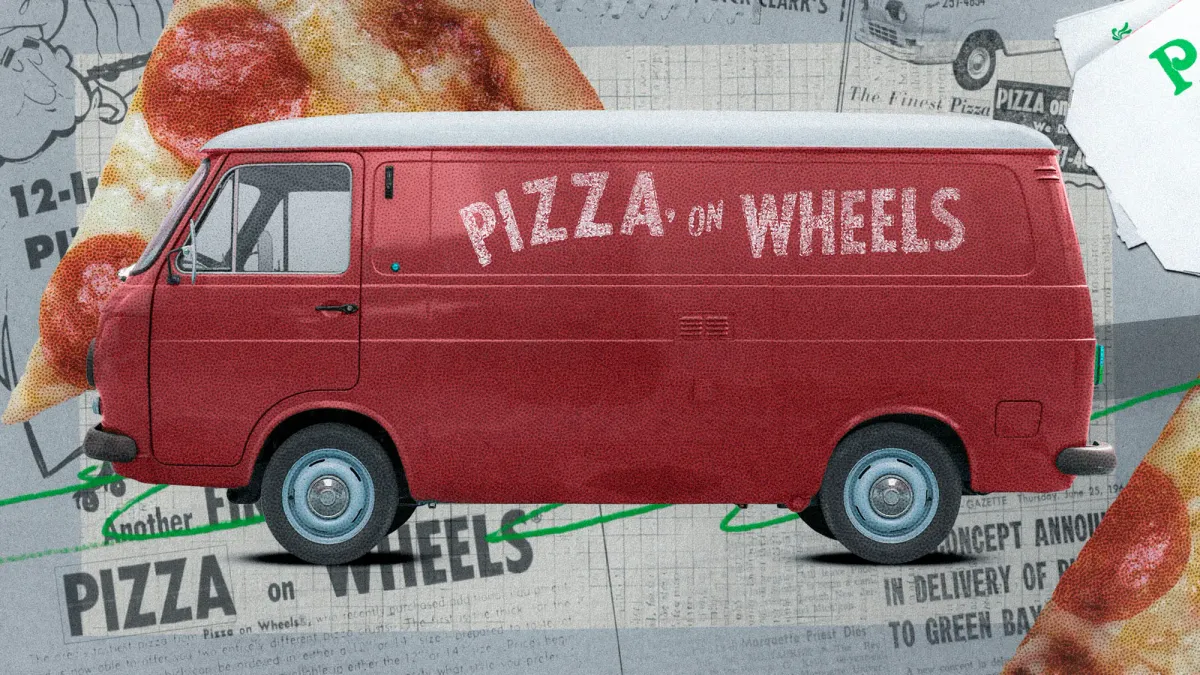
Imagine the ultimate convenience: hot, fresh pizza arriving at your door, baked en route to your house. In 1962, a Wisconsin startup called Pizza on Wheels wasn't just dreaming; they were doing it. Their trucks cooked pies while barreling down the road, ensuring piping hot delivery right as they pulled into your driveway. Because apparently, that's where we were then.
This might sound suspiciously like Zume, the Bay Area company that got famous (and very rich) for using robots to cook pizzas in trucks starting in 2016. But Pizza on Wheels beat them to the punch by over half a century. It was a true pioneer, even if its legacy has largely been forgotten.
The Wild West of Pizza Delivery
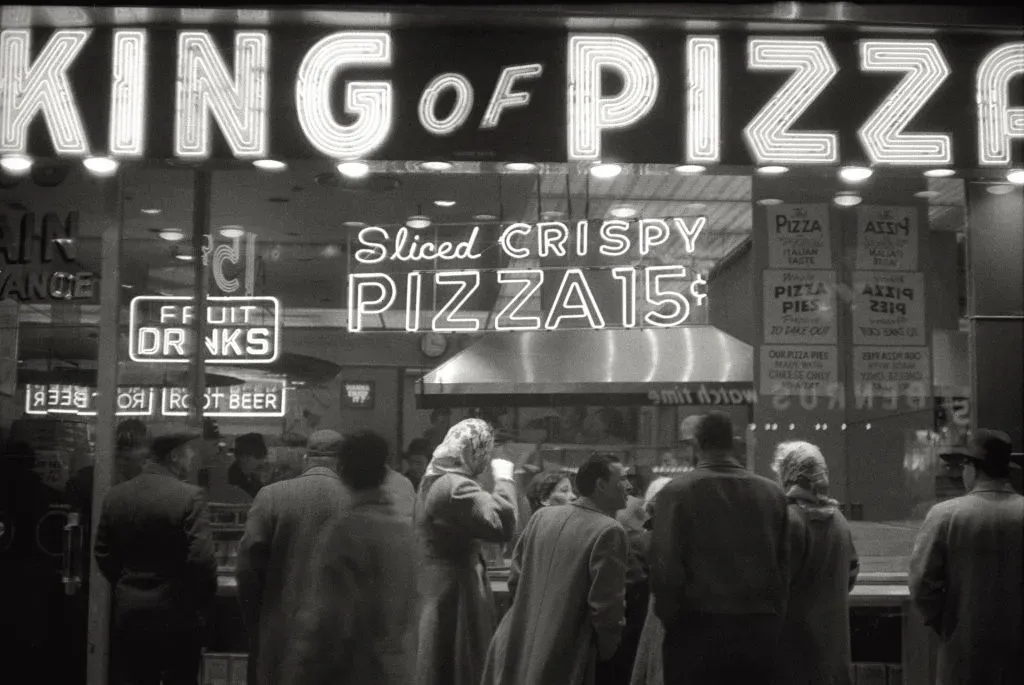
Pizza, bless its cheesy heart, has always been a traveler. Back in the 1700s, Neapolitan vendors were slinging pies from insulated boxes on the street. When it hit America with Italian immigrants, it started as a home meal before settling into pizzerias. By the 1940s, informal deliveries were a thing, but the real revolution hit after WWII.
We're a new kind of news feed.
Regular news is designed to drain you. We're a non-profit built to restore you. Every story we publish is scored for impact, progress, and hope.
Start Your News DetoxReturning soldiers, fresh from Italy, had developed a taste for pizza. Combine that with the rise of telephones, suburbs, and a general craving for convenience, and you had a perfect storm for food delivery. By the 1950s, formal delivery services were popping up, though the pizzas often arrived with a distinctly lukewarm shrug.
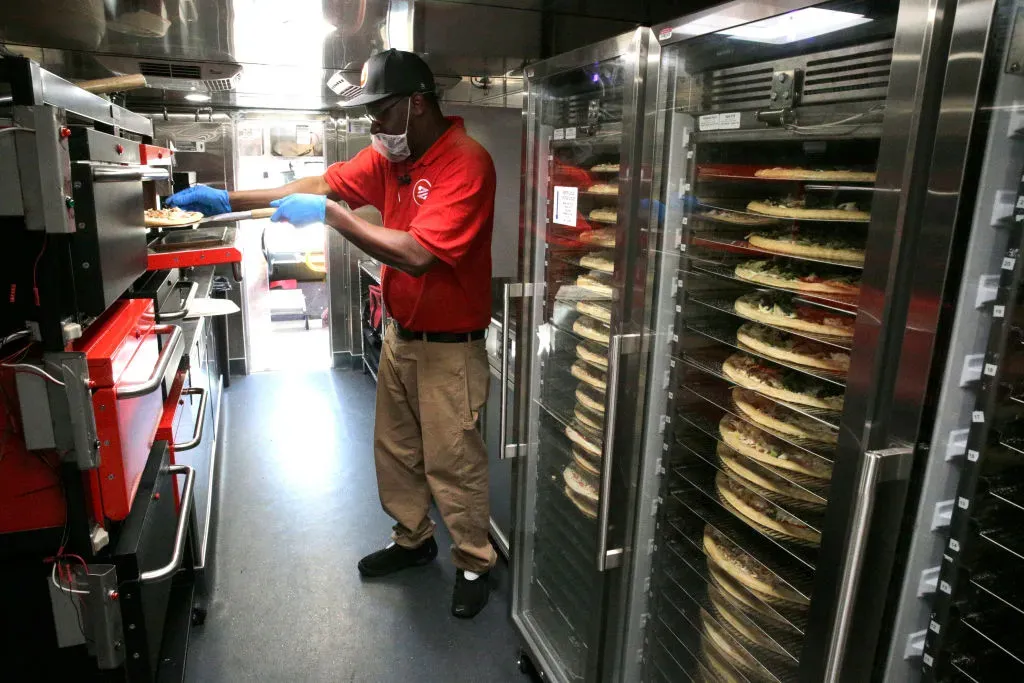
Enter Dennis J. Sheahan of Reedsville, Wisconsin. A man who developed radio dispatch systems for buses, he clearly looked at a pizza and thought, "I can make this fresher." His plan? Vans equipped with water tanks, sinks, fridges, and a double-decker oven. "All the facilities of a modern restaurant," he declared. Customers would call in, a dispatcher would radio the closest truck, and a chef in the back would start assembling the pie while the driver navigated traffic. Twenty-five topping combinations, no less.
The Moving Kitchen Conundrum
Pizza historians aren't shocked by Sheahan's ambition. The Midwest, funnily enough, was a hotbed for pizza innovation, birthing giants like Domino's, Little Caesar's, and Pizza Hut. But the logistics of a mobile pizza kitchen? That’s where the eyebrows start to rise.
Experts point out the obvious challenges: refrigeration in a moving vehicle, power for the oven, and the sheer gymnastics required for a chef to keep ingredients from becoming modern art on the walls. One pizza expert compared it to "Cirque du Soleil." Even Zume, with its shiny robots and millions in funding, struggled with cheese sliding off pizzas. Which is why most modern pizza food trucks, you'll notice, park before they bake.
Despite these very real hurdles, Sheahan launched his first truck in Kenosha in 1962. By '63, Madison had three more. In '64, Green Bay was on board, with plans for eight more Midwestern cities. How he made it work remains a mystery. Perhaps drivers parked, baked, then pulled up for the grand reveal. Or perhaps, the problems were never truly solved, hence the ads from 1965 offering free movie tickets and donuts to entice customers and franchisees.
By 1967, the ads shifted from pizza deals to selling off the trucks. By 1971, Pizza on Wheels was gone, never to be replicated. Modern chains opted for speed and affordability over on-the-go baking, prioritizing the "30-minutes-or-less" guarantee, even if it meant a slightly less-than-scorching pie. It was a hopeful, if ultimately ill-fated, dream of peak freshness. And a reminder that sometimes, even the most absurd ideas get a shot.