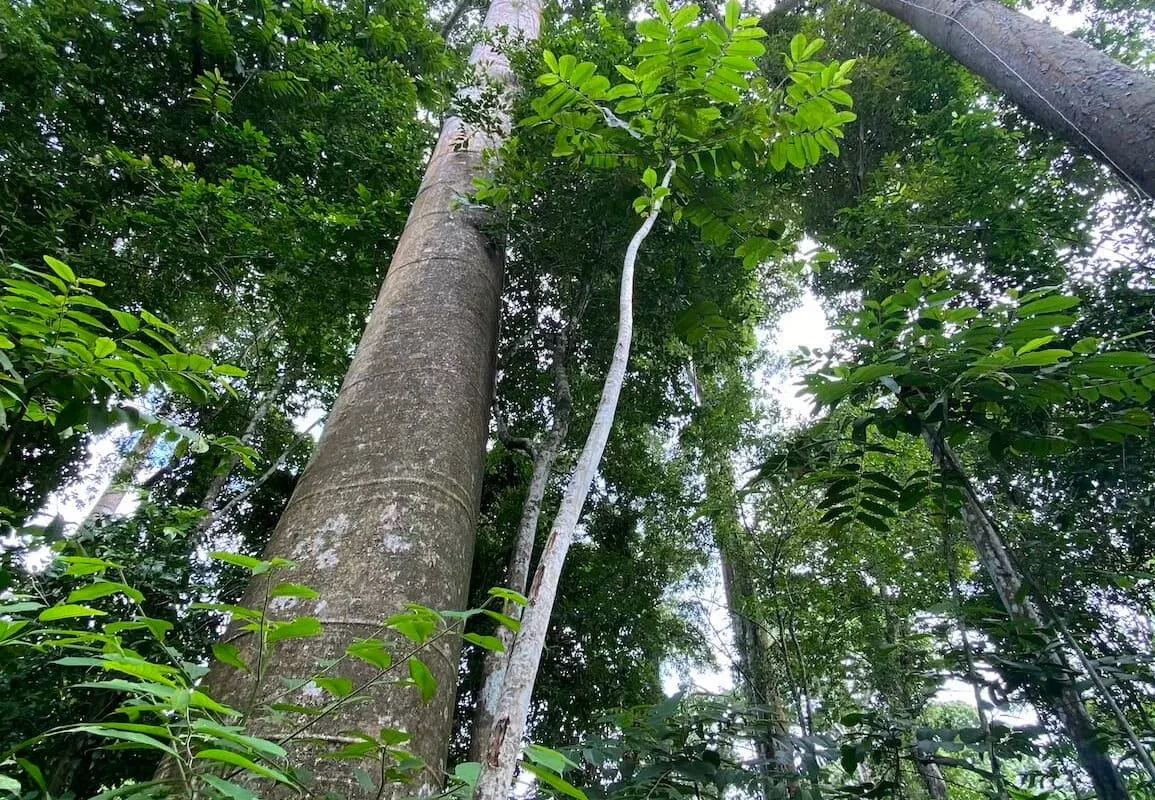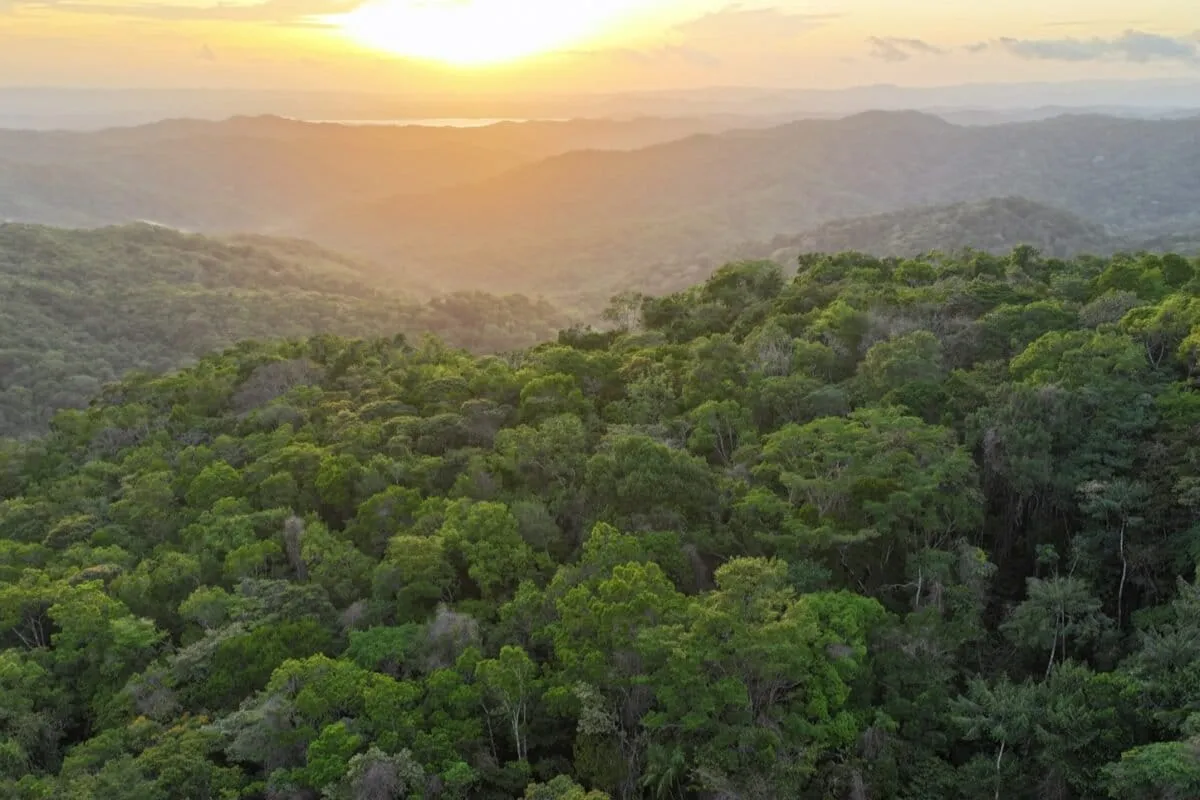
Elsa Quiroz had only ever seen a jaguar in a book. Then, late last year, one casually strolled past a camera trap near her Indigenous Wounaan village of Puerto Lara, deep in Panama's Darién forest. Suddenly, a creature of legend was on her son's computer screen, very much real and very much in their backyard.
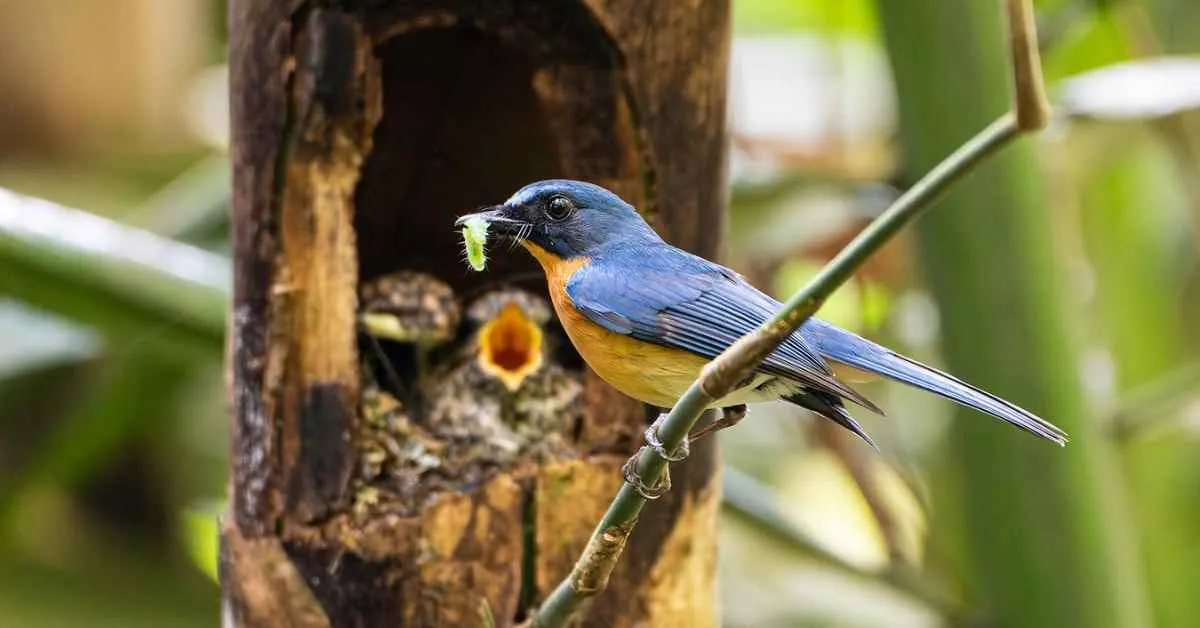
Turns out, their backyard is a lot wilder than anyone knew. While the community was well aware of the area's incredible birdlife, the jaguars, agoutis, margays, and white-headed capuchin monkeys caught on camera were a genuine surprise. All this thriving biodiversity is packed into a mere 600 hectares (about 1,500 acres) — less than twice the size of New York City's Central Park. Let that sink in for a moment.
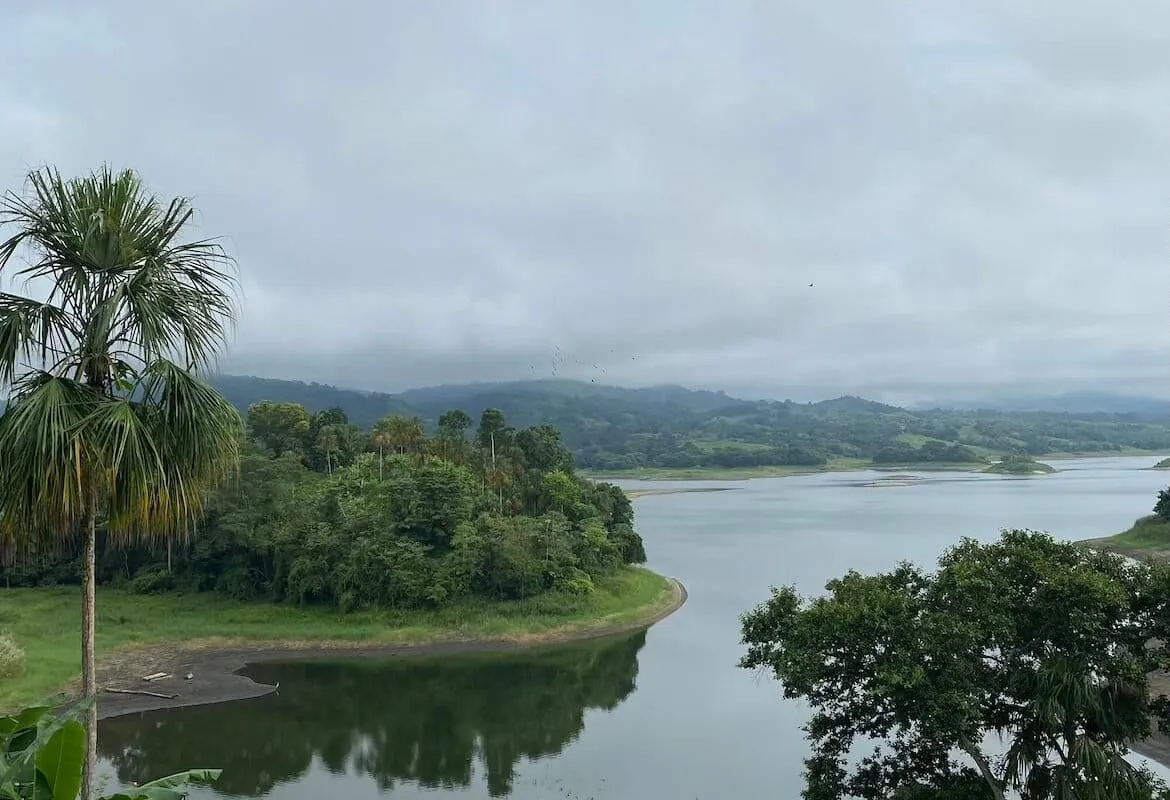
Samuel Cheucarama, Quiroz's son, is the one who checks those camera traps every two weeks. He's effectively a wildlife paparazzo, documenting the secret lives of creatures in a forest that, until recently, was full of hidden surprises even for the people who live there.
We're a new kind of news feed.
Regular news is designed to drain you. We're a non-profit built to restore you. Every story we publish is scored for impact, progress, and hope.
Start Your News DetoxThe Business of Saving a Forest
Cheucarama's work isn't just about cool animal photos; it's part of a larger, more urgent mission. Four Indigenous communities in eastern Panama are piloting a new approach to conservation. They collectively manage a staggering 18,000 hectares (roughly 44,500 acres) of tropical forest, an area constantly under threat from illegal logging and agriculture.
Panama's government has tried, bless its heart, to protect Darién National Park. But the reality on the ground is that local communities are often left to fend for themselves, with little to no support from national authorities. So, they're getting creative, finding ways to make their monumental conservation efforts actually pay the bills. Because, apparently, even saving the planet needs a sustainable business model now. Which, if you think about it, is both impressive and slightly terrifying.