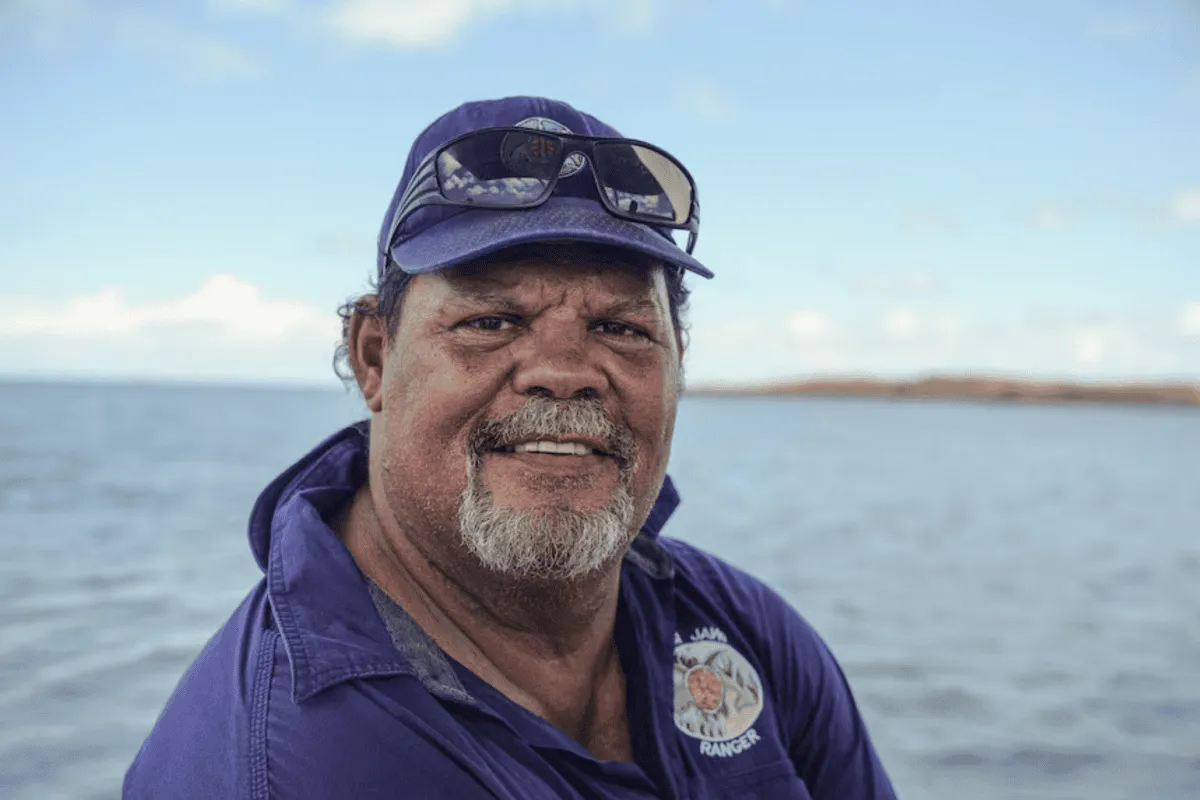
For ten years, scientists from the Australian Institute of Marine Science (AIMS) have been working with a unique group of co-authors: the Bardi Jawi and Oorany Rangers and the Bardi Jawi Traditional Owners. Their mission? To unpack the deep, intricate connections between coral reefs and mangrove forests.
Turns out, the Bardi Jawi — known as the “Saltwater People” of northwestern Australia’s Kimberley region — already had a pretty good handle on it. They've been living it, literally, for generations, with their traditional diet relying heavily on healthy oceans. As Phillip “Bibido” McCarthy, a coordinator for the Bardi Jawi men’s ranger program, puts it: it’s “red earth, blue ocean, and green mangroves.”

This decade-long collaboration recently culminated in a scientific paper in Ocean & Coastal Management, which basically confirmed what the Bardi Jawi have known all along: reefs and mangroves aren't just neighbors; they're in a codependent relationship that’s absolutely critical for healthy fisheries.
We're a new kind of news feed.
Regular news is designed to drain you. We're a non-profit built to restore you. Every story we publish is scored for impact, progress, and hope.
Start Your News DetoxThink of it as two vital organs in a single, massive body. Mess with one, and the other suffers. This isn't just academic; it's the kind of insight that shapes real-world protection.
Marine Park Magic
The Bardi Jawi Country is already under two layers of protection. There's the Bardi Jawi Indigenous Protected Area, a sprawling 95,000 hectares (that's 235,000 acres, if you’re counting) established in 2013. Then there’s the Bardi Jawi Gaarra Marine Park, a truly massive 204,000 hectares (504,000 acres) which just got its zoning rules in July 2026. (Yes, you read that right — future zoning. Because planning ahead is apparently a thing.)
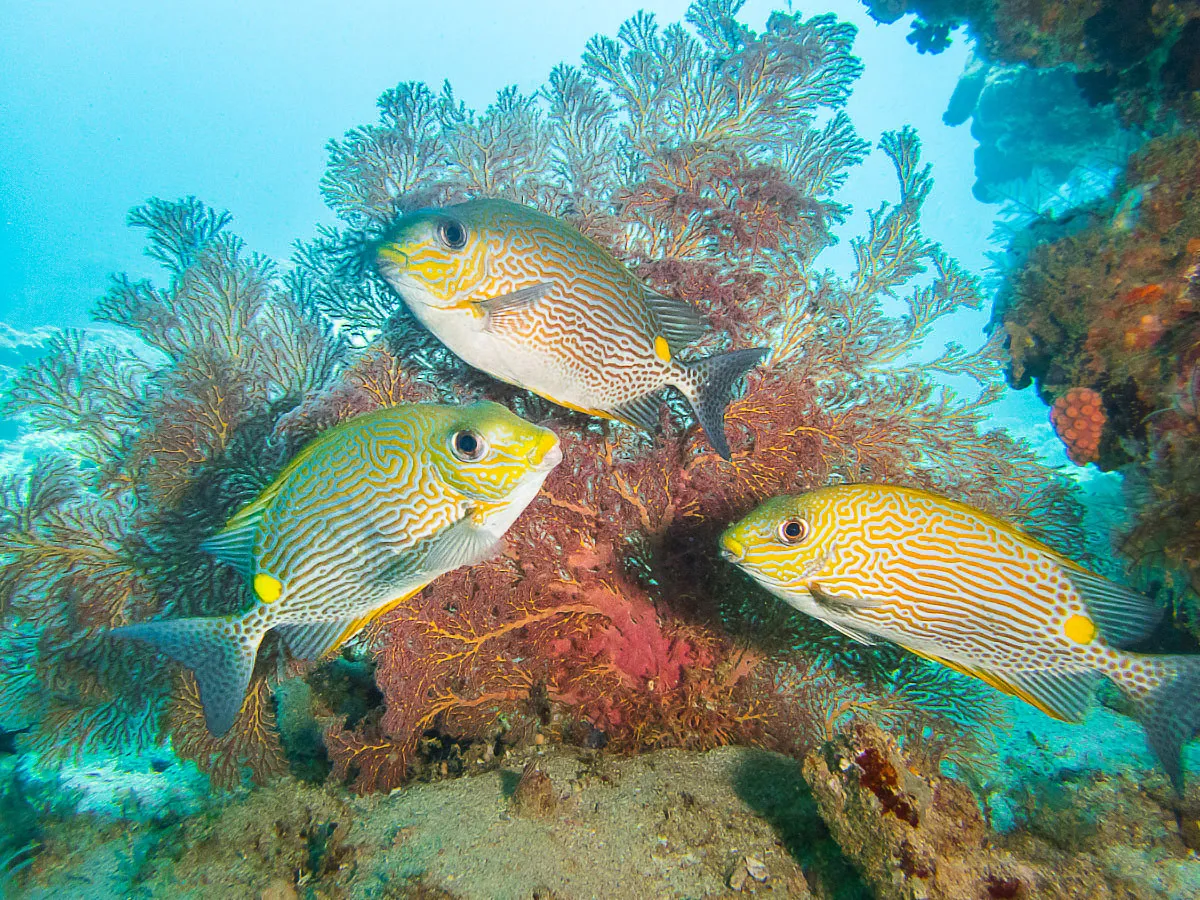
The findings from this joint project were instrumental in designing both these protected areas, ensuring they actually reflect the ecological realities on the ground, or rather, in the water. It’s a powerful example of what happens when ancient wisdom and modern science decide to play nice. And maybe, just maybe, it means more fish for everyone.