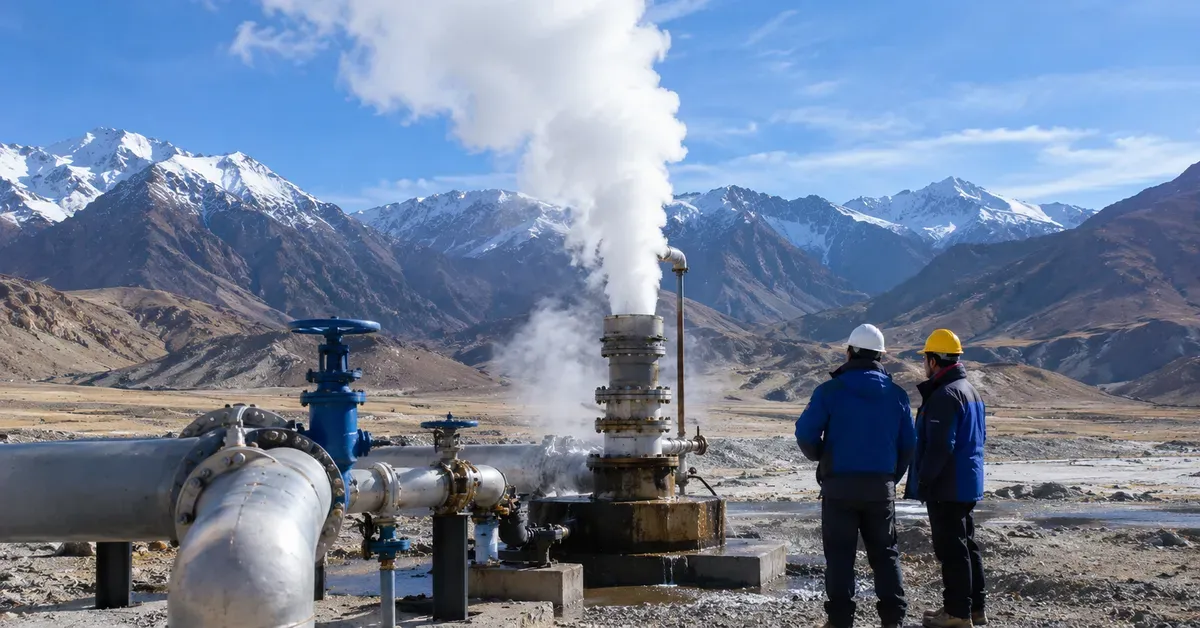
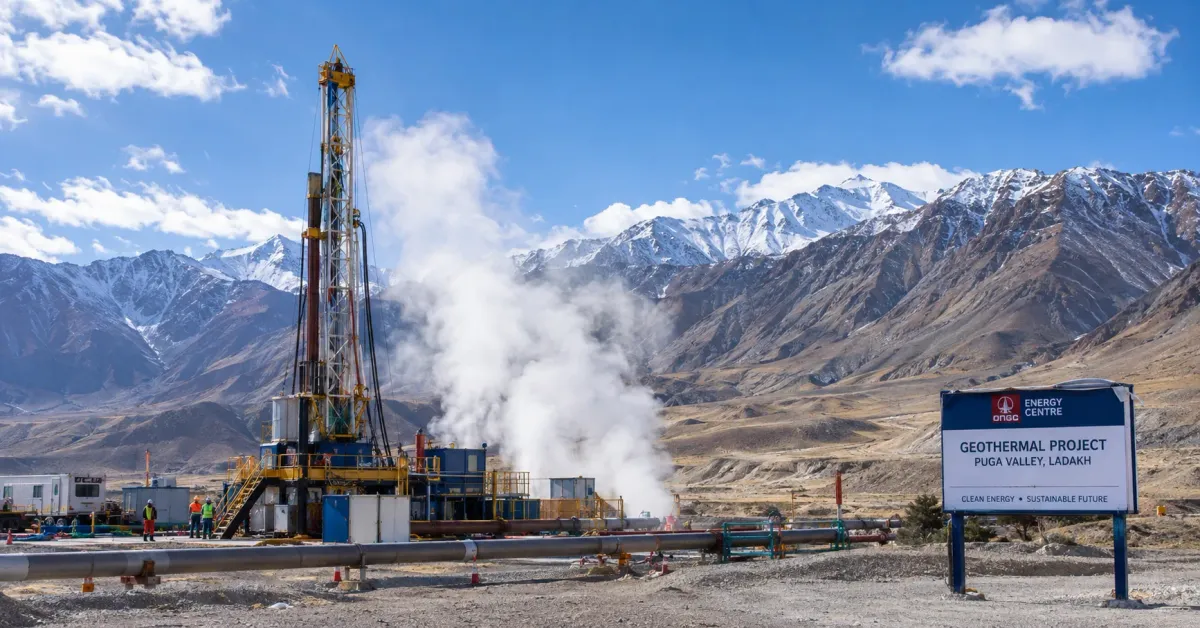
Imagine drilling two massive, kilometer-deep wells for a power plant in a place so high up, it's practically shaking hands with the stratosphere. That's exactly what India is doing in Ladakh's Puga Valley, over 14,000 feet above sea level, as it taps into a hidden energy source that could change everything.
Lieutenant Governor V K Saxena kicked off this ambitious project in July 2026, aiming to create India's first demonstration-scale geothermal power plant. The ONGC Energy Centre, bless their intrepid souls, is the one wrestling with extreme weather and short working seasons to drill these 1,000-meter wells. And they're already hitting 135 degrees Celsius just 400 meters down. Let that satisfyingly hot number sink in.
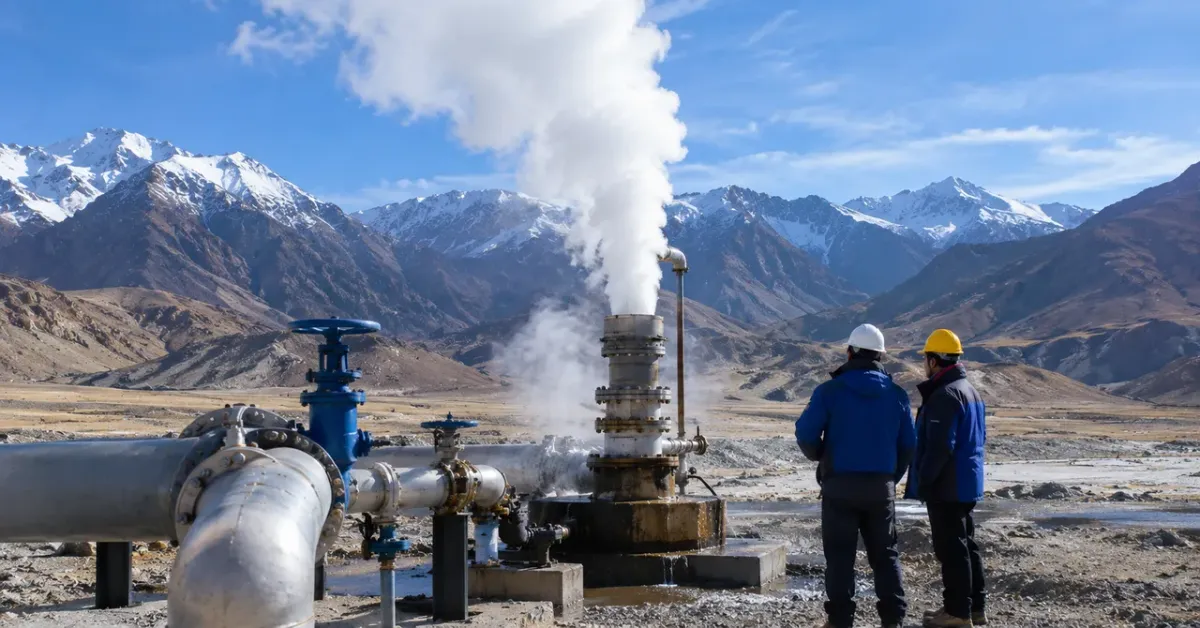
While making electricity is the headline act, the Earth's internal furnace has far more tricks up its sleeve. India, with an estimated 10 GW of geothermal potential, is looking to unlock it. Unlike its fickle cousins, solar and wind, geothermal runs 24/7, no sun or breeze required. So, beyond just powering lightbulbs, what else can India do with all that reliable, underground warmth?
We're a new kind of news feed.
Regular news is designed to drain you. We're a non-profit built to restore you. Every story we publish is scored for impact, progress, and hope.
Start Your News DetoxHeating Everything from Homes to Greenhouses
First up: keeping people from turning into human icicles. In places like Ladakh, where winter is less a season and more an endurance sport, heating homes and buildings sucks up enormous amounts of energy. Geothermal heat can be piped directly into homes or used with heat pumps for efficient warming and cooling. The International Renewable Energy Agency (IRENA) says this is standard practice globally, and for good reason. Using natural heat beats burning fossil fuels any day, especially when you're trying to cut down on emissions.
Then there's the small matter of food. Cold, high-altitude regions aren't exactly prime real estate for year-round farming. But geothermal heat can transform greenhouses into tropical oases, allowing crops to flourish even when it's snowing outside. The Food and Agriculture Organization (FAO) even notes it can reduce fungal infections. Talk about a warm welcome for fresh produce.
Drying Crops and Powering Industries
Harvested crops often need drying to prevent spoilage, a process usually fueled by, you guessed it, fossil fuels. Geothermal heat offers a cleaner alternative, linking renewable energy directly to the agricultural supply chain. For a country like India, where reducing food waste is a national sport, this is a practical win-win.
And for industries? Not every process needs a jolt of electricity. Many simply need direct heat for things like pasteurization, washing, or drying. Geothermal hot water can supply this directly, bypassing the whole electricity generation step. IRENA points to examples like milk pasteurization and laundry services running on geothermal heat. Imagine a local business getting its energy straight from the Earth, no middleman required.
The Puga Valley project, with its two deep wells, is currently evaluating the reservoir's potential and planning that 1 MW pilot. If successful, it's not just about a single plant; it's about a blueprint. India has geothermal resources scattered across regions like the Sona Narmada Tapi belt and western hot spring areas. Puga is the proving ground.
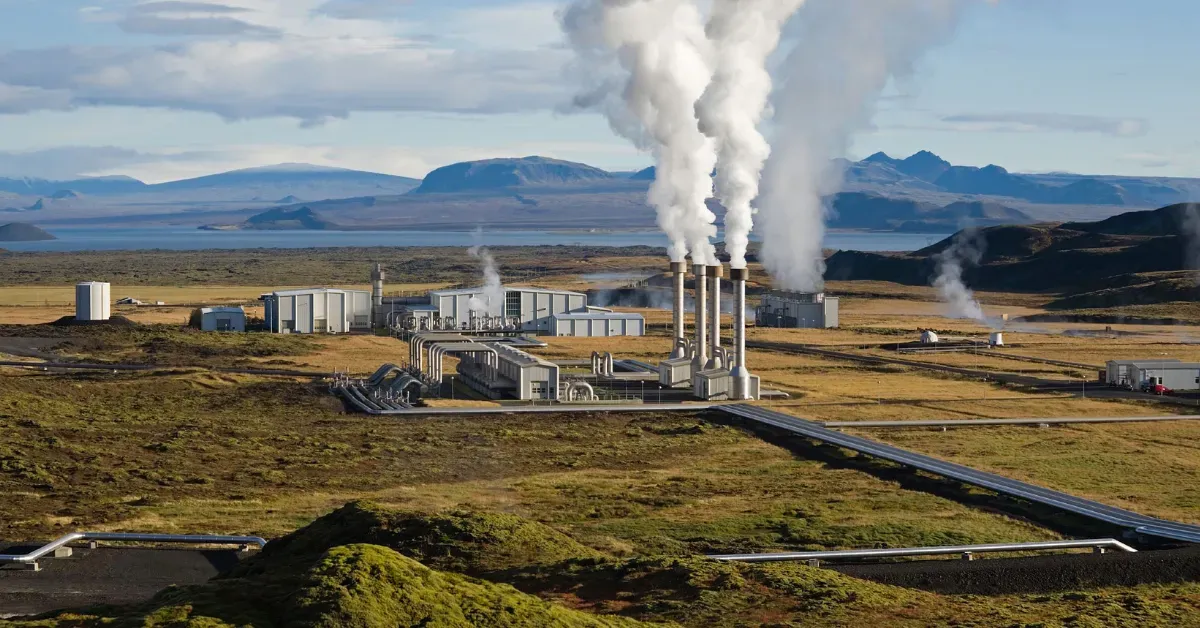
This isn't just about two wells in a remote valley. It's about seeing if India can truly harness the constant, quiet hum of the planet beneath its feet. If it works, geothermal could do more than just generate power; it could transform how India heats, grows, dries, and manufactures, all while nudging its clean energy goals closer to reality. Because apparently, the solution was under our noses (and feet) all along.