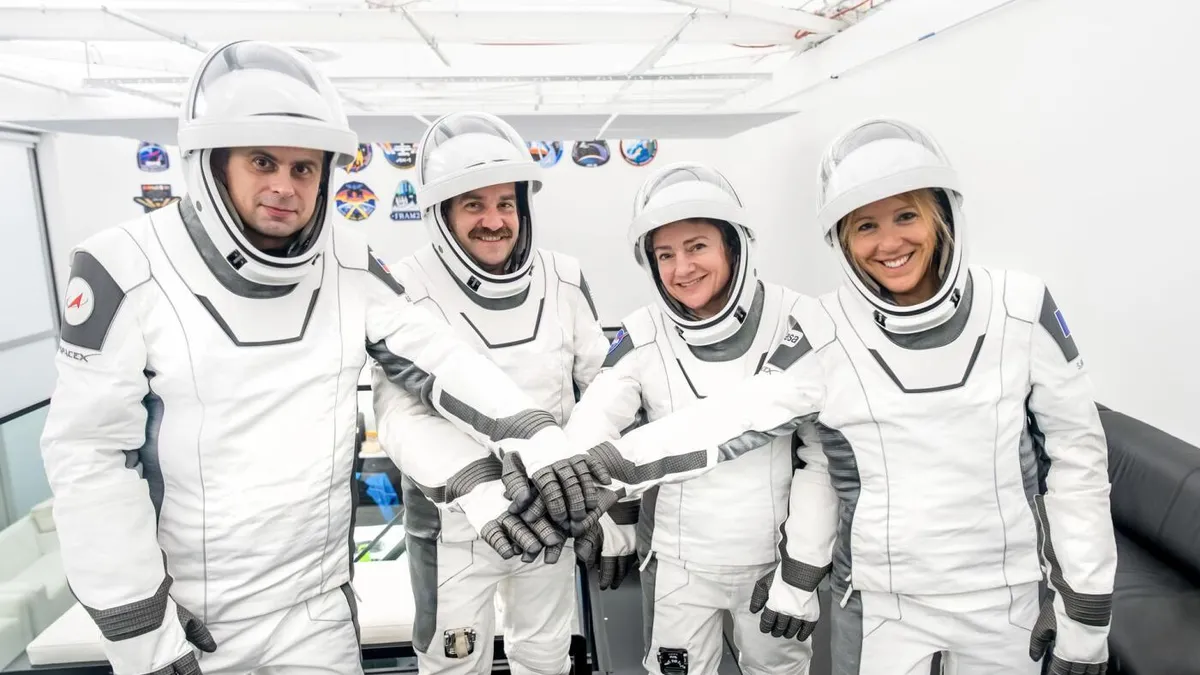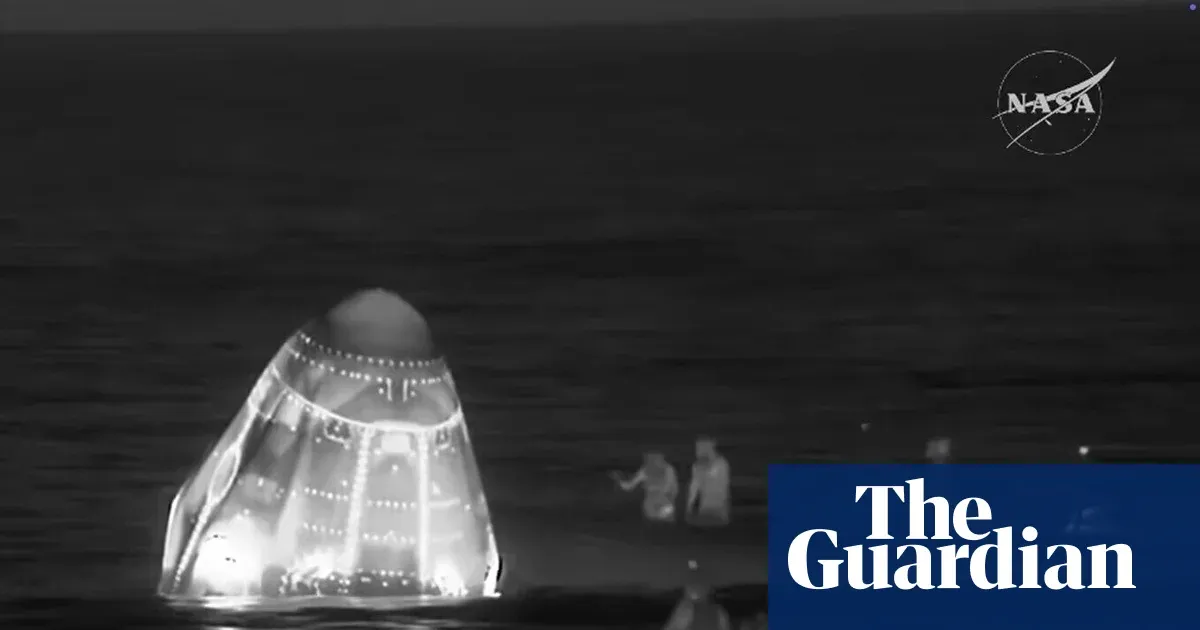
Four astronauts splashed down in the Pacific Ocean near San Diego early this week, ending what was supposed to be a six-month mission at the International Space Station. One crew member needed medical attention, prompting NASA to cut the mission short—the first time in 65 years of human spaceflight that the agency has brought people home for medical reasons.
The capsule landed in darkness. "It's so good to be home," said Zena Cardman, the mission commander, after the crew emerged. NASA hasn't disclosed which astronaut required care or the specific medical issue, but officials confirmed the person was stable throughout the return journey and remains so.
"First and foremost, we are all OK. Everyone on board is stable, safe, and well cared for," pilot Mike Fincke wrote on social media. The crew had been trained extensively for emergencies in space—a reality of working 250 miles above Earth where a trip to the hospital isn't an option. Amit Kshatriya, a senior NASA official, praised the four astronauts for their composure in an unexpected situation.
We're a new kind of news feed.
Regular news is designed to drain you. We're a non-profit built to restore you. Every story we publish is scored for impact, progress, and hope.
Start Your News DetoxWhat's notable is how rare this actually is. NASA's statistical models predicted a medical evacuation from the space station roughly every three years. This is the first one to happen. The Russians have managed a handful of similar cases over the decades, including cosmonaut Vladimir Vasyutin's early return in 1985 due to a serious infection.
The Crew-11 mission was originally scheduled to last until mid-February. The remaining US and Russian crew members aboard the station will pause any spacewalks—both routine and emergency—until the next SpaceX crew arrives to restore full operational capacity.
The incident underscores something often overlooked in the routine rhythm of space station operations: the systems work. When something unexpected happened, the protocols held. The crew got home safely. The station didn't lose its ability to respond to emergencies on the ground. In a field where margins are measured in milliseconds and altitude, that's what success looks like.