We're finding mammals faster than we're losing them — and it's changing how we understand the living world.
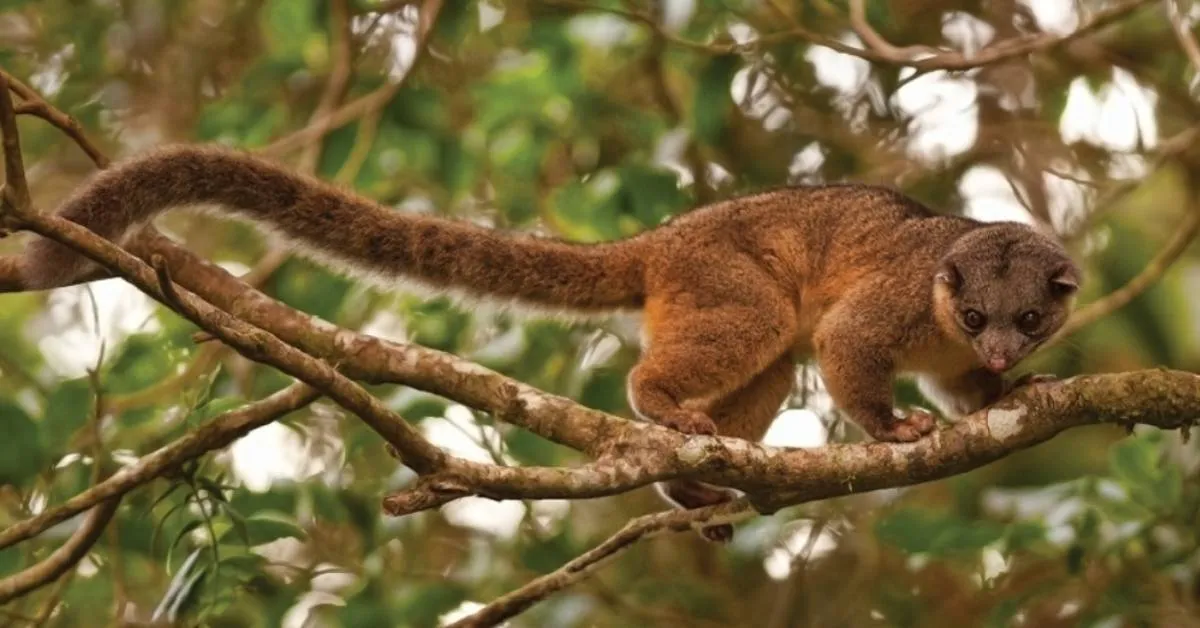
Since 2005, researchers have added 1,353 new mammal species to the scientific record. That's 65 species per year, every year, for 20 years straight. Some arrived as genuine discoveries: the mouse opossum hidden in Peru's cloud forests, the olinguito prowling Ecuador's misty slopes, the dwarf shrew tucked into Ethiopian highlands. Others emerged when DNA testing revealed that what scientists thought was one species was actually several, each with its own genetic signature and ecological role.
The scale is staggering. The Mammal Diversity Database now recognizes 25% more species than it did two decades ago. But what's really striking is why this is happening — and what it means.
We're a new kind of news feed.
Regular news is designed to drain you. We're a non-profit built to restore you. Every story we publish is scored for impact, progress, and hope.
Start Your News DetoxThe DNA revolution changed everything
Dr. Nathan Upham, lead researcher at Arizona State University, points to one culprit: the price of reading DNA plummeted. Gene sequencing that once cost thousands now costs dollars. Suddenly, scientists could sample hundreds of individuals across a forest or mountain range and map the genetic differences that separate one species from another. "Each species is genetically unique, not interbreeding with their close relatives," Upham explains, "and thus presumably doing something unique on the landscape — specializing in different food or habitat type or location of activity."
Of the 1,353 newly recorded species, 805 were genuinely new to science. The other 548 were "splits" — populations that DNA analysis revealed were distinct enough to count as separate species — or mergers when better evidence showed species were actually the same.
This isn't evolution speeding up. It's our vision clearing.
Why this matters for survival
The broader picture is even more hopeful. Across all life forms — insects, plants, fungi, vertebrates — researchers estimate 16,000 new species are being described each year. That discovery rate far outpaces extinction. John Wiens, an ecologist at the University of Arizona, calculated that roughly 10 mammal species go extinct annually, while we're identifying 65 new ones.
That gap matters because, as Wiens notes, "we can't safeguard a species from extinction if we don't know it exists." Documentation isn't bureaucracy. It's the first line of defense. A species without a name, without a scientific description, has no legal protection, no conservation strategy, no chance.
The mammal discoveries tell us something worth holding onto: the world is more alive than we thought, and we're finally building the tools to see it.