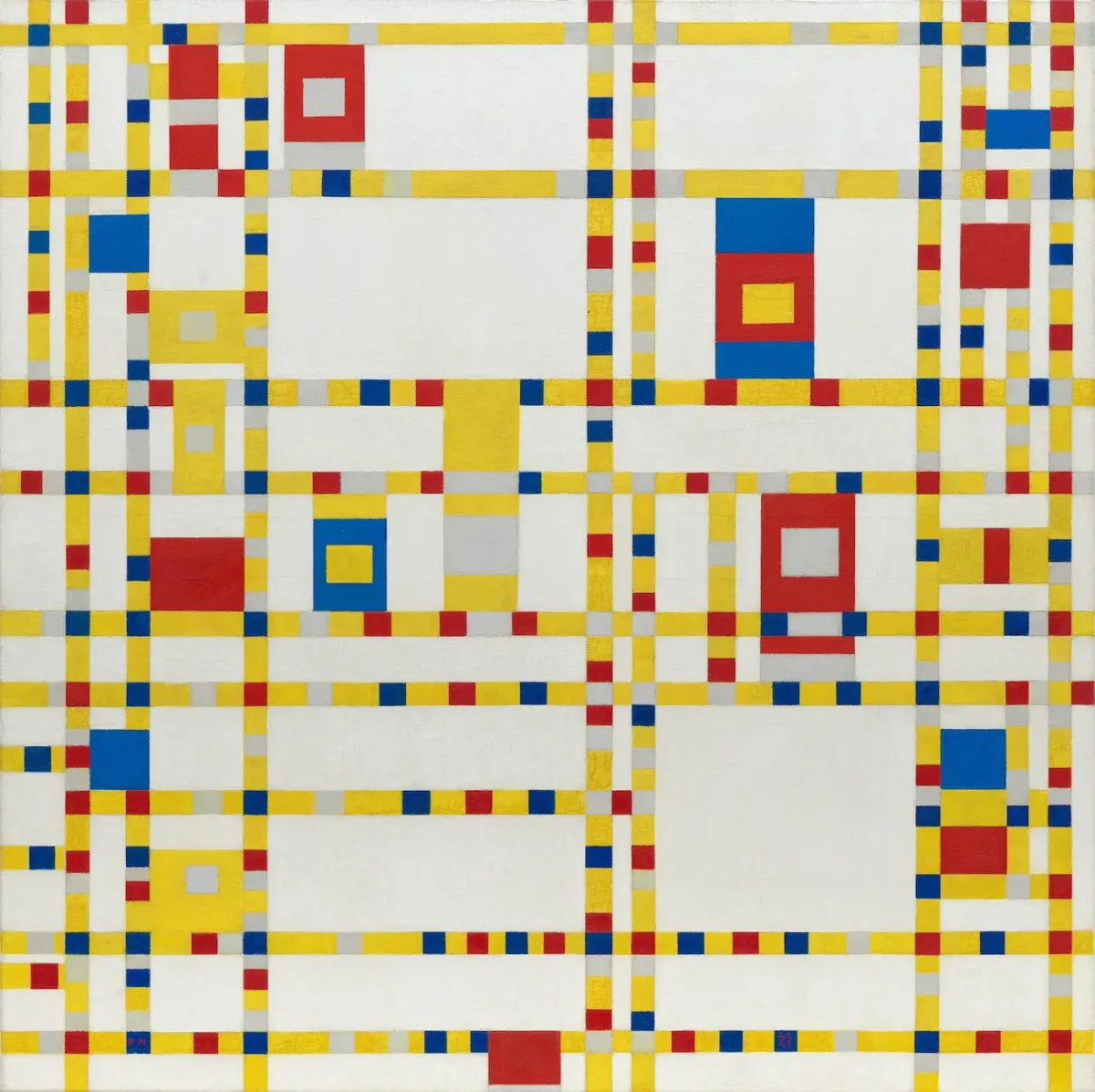
Piet Mondrian, the guy famous for all those primary-colored squares and rigid black lines, moved to New York in 1940. He lived for only four more years. But in that short burst, something wild happened: jazz, specifically boogie-woogie, got into his head and onto his canvas.
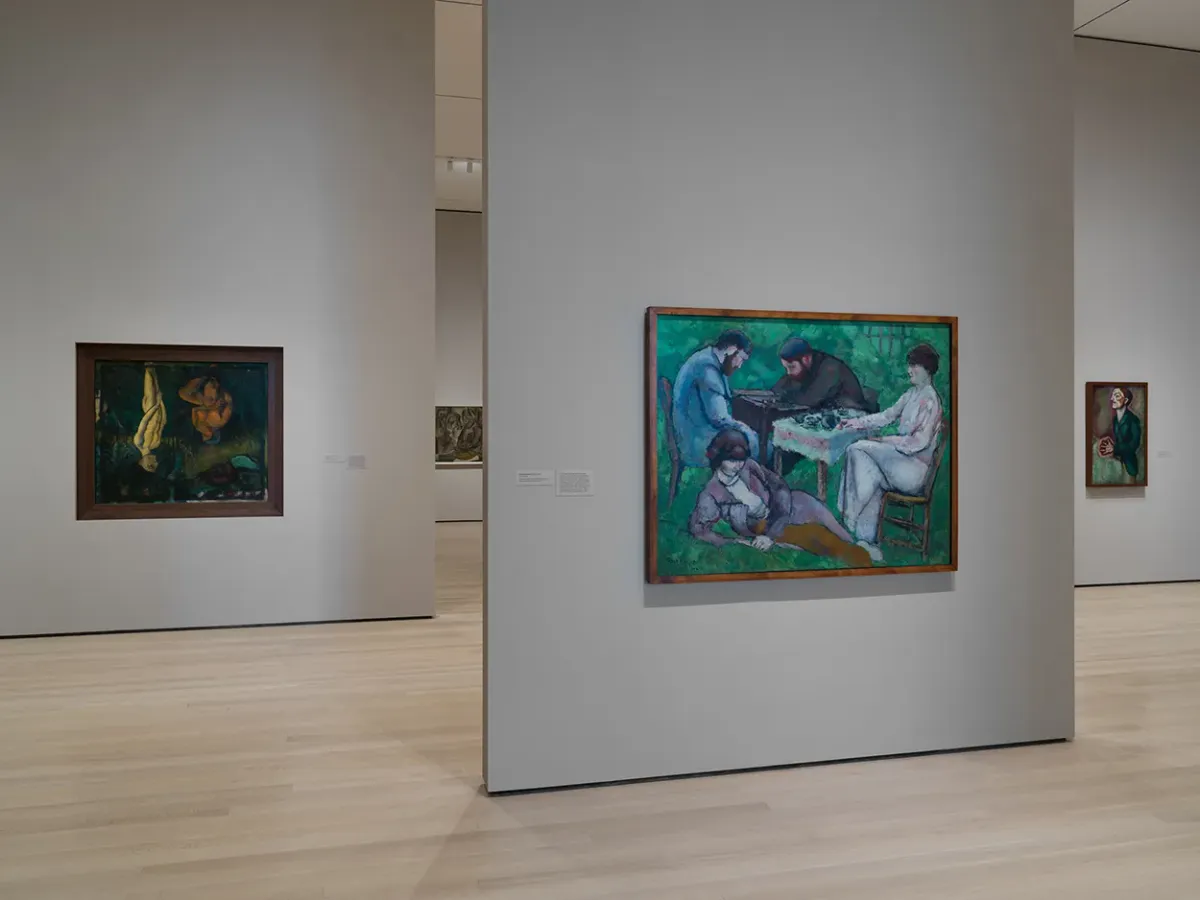
MoMA is about to drop the first-ever exhibition dedicated to this brief, brilliant period. It’s called “Mondrian Boogie Woogie,” and it features 30 paintings made or finished during his New York residency. Prepare to see Mondrian loosen up, just a little.
From Strict Grids to Syncopated Rhythms
Before New York, Mondrian was already a titan of abstract art. He co-founded the De Stijl movement, basically declaring war on anything that looked like a real object. His signature style—those precise rectangles, those bold black lines—was his way of stripping art down to its purest form. He was a man who appreciated order, you might say.
We're a new kind of news feed.
Regular news is designed to drain you. We're a non-profit built to restore you. Every story we publish is scored for impact, progress, and hope.
Start Your News DetoxThen came the Big Apple. Mondrian, who had always had a soft spot for jazz, found himself immersed in the city's electric atmosphere and the booming boogie-woogie scene. This bluesy, piano-driven style, with its syncopated rhythms and infectious energy, apparently hit him like a lightning bolt.
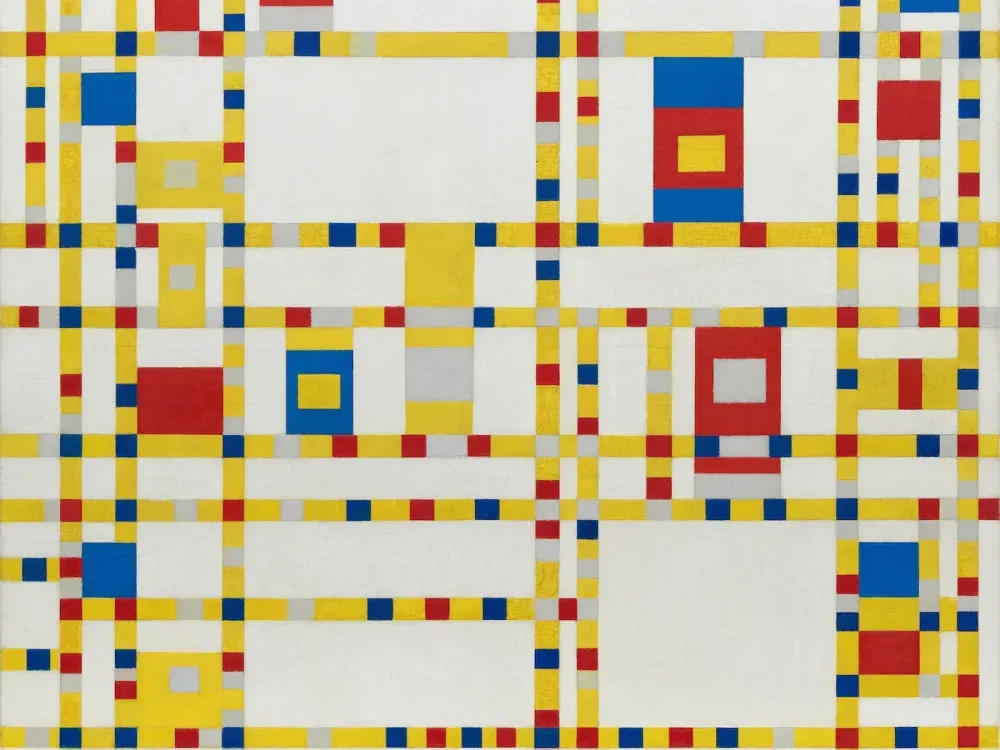
His paintings started to… dance. The famous black grid? It began to dissolve. In its place, smaller, more fragmented blocks of primary colors appeared, creating patterns that echoed the improvisational beats and the frantic pulse of the city's street maps. It’s the kind of artistic glow-up you didn't know you needed.
The exhibition will be anchored by two masterpieces: Broadway Boogie Woogie (1942–43), which MoMA already owns, and Victory Boogie Woogie (1942–44), on loan from the Kunstmuseum Den Haag. Seeing them together in the city that inspired them is, frankly, a pretty big deal.
MoMA won't just be showing paintings. They’re also diving into the history of boogie-woogie itself, tracing its journey from the late 19th-century American South all the way to its explosion in Northern cities after World War I. Because, as MoMA's director of research programs, Leah Dickerman, points out, both Mondrian's and boogie-woogie's stories are about migration and fresh ideas colliding.
It’s a story of an artist, a city, and a sound that collectively shifted the landscape of modern art. And it hits MoMA from March 21 through July 31, 2027. Plenty of time to brush up on your boogie-woogie dance moves.