NASA to bring back Crew-11 mission early from space station
NASA is cutting short a mission at the International Space Station due to a medical issue with a crew member. The agency is planning to return all four members of the Crew-11 mission more than a month early.
NASA administrator Jared Isaacman said the crew would return to Earth "in the coming days." NASA did not disclose the name of the crewmember or the ailment, citing health privacy. Isaacman described it as a "serious medical condition."
The decision to cut the mission short due to health reasons is a first for NASA in 65 years of human spaceflight, according to Robert Pearlman, editor of the space history news website collectSpace.com.
We're a new kind of news feed.
Regular news is designed to drain you. We're a non-profit built to restore you. Every story we publish is scored for impact, progress, and hope.
Start Your News Detox"Though it has always been a contingency the agency has considered, NASA has never had to cut short a mission before due to an astronaut falling ill," he said. "Crew members have had medical problems in space, but they never rose so high as to come home early."
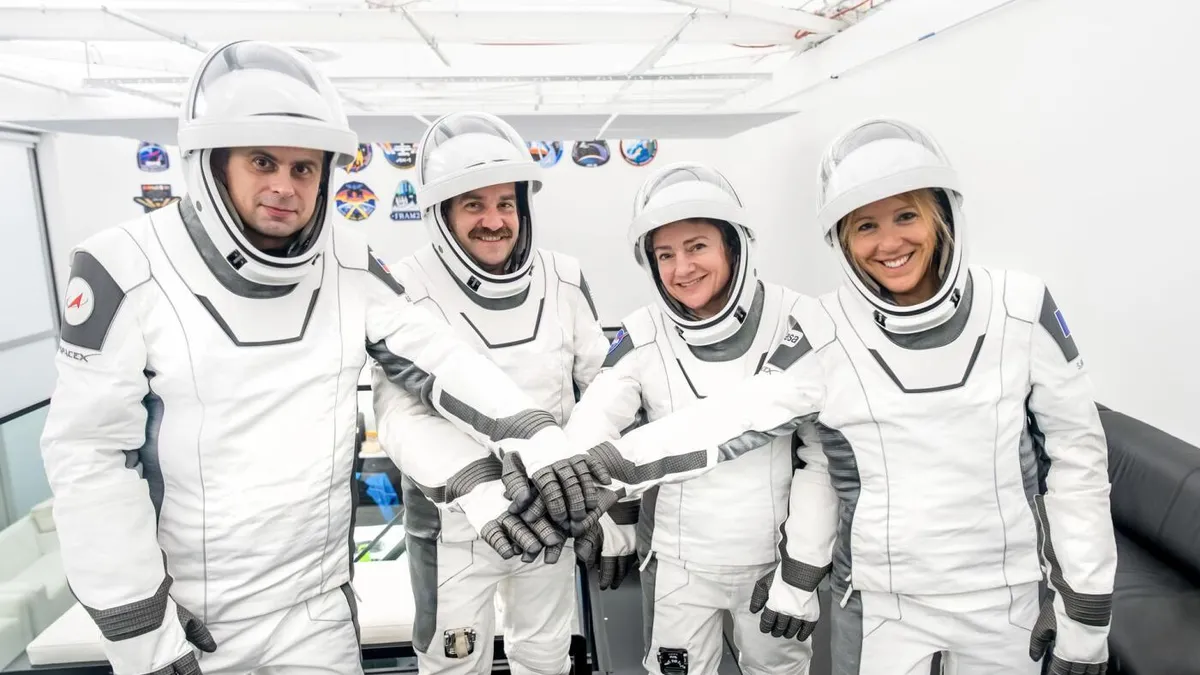
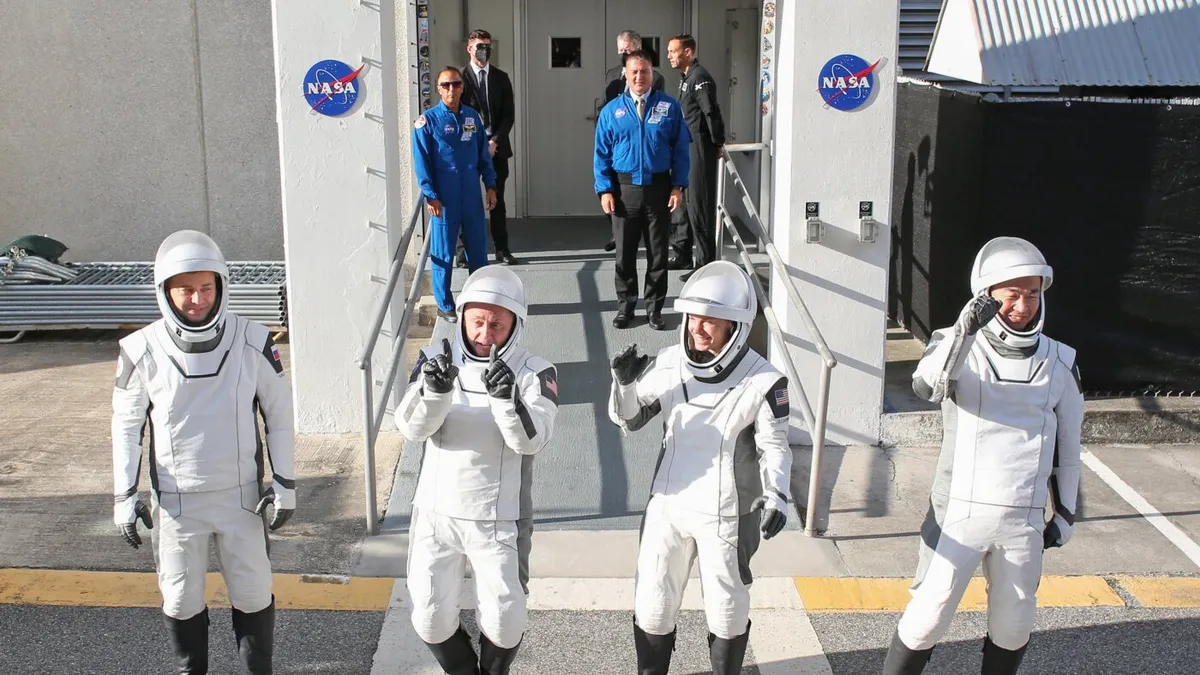
The four-person Crew-11 mission launched to the space station from Florida's Kennedy Space Center on August 1, 2025. The crew includes NASA astronauts Mike Fincke and Zena Cardman, a Japanese Space Station astronaut, and a Russian Space Agency Cosmonaut.
Typically, station crews spend about six to eight months living and working on the orbiting laboratory. The next crew rotation isn't scheduled to launch until next month, leaving only three people on the station once Crew-11 returns.
"It's a significant problem," said Don Platt, a professor at Florida Tech and former International Space Station engineer. "That means, basically the crew members that are there are pretty much just concentrating on making sure the space station can continue to run, do any maintenance requirements that they may have. A lot of the science will have to be postponed."
The decision to bring all four members of the crew back was made by leadership across NASA and with input from the crew's flight surgeons. NASA said it prioritized the call with the crewmember's safety first and foremost in mind.
"In flight, you do what is necessary for the safety of the crew and then the success of the mission," said Paul Dye, a former flight controller who worked on the space shuttle and International Space Station missions. "Safety of the crew comes first, and if the only answer is to bring them home, then you bring them home."
The International Space Station has been continuously occupied by humans since 2000. The fact that there hasn't been a major medical incident is in part due to the training astronauts and cosmonauts receive before launching to the ISS.
"We actually get quite a bit of training across all of the equipment that's available for the whole crew," said retired NASA astronaut Nicole Stott, who spent more than three months living and working on the station. "The primary interest is being able to respond to somebody who might be in an emergency situation, of course."
That includes first aid equipment specially designed to provide medical aid in the microgravity environment of space, suture equipment, a suite of pharmaceutical treatments, even equipment to perform dental procedures.
"With the support of our ground team, our flight surgeons and the people on the ground that we can communicate with really well, we can do a lot of guided assisted procedures up there," Stott said. "We're very well stocked and supported that way."