Arctic polar bears thriving despite melting sea ice, for now

Svalbard's polar bears, once threatened by melting ice, now thrive on a diverse diet, growing fatter and healthier despite dwindling sea ice.

2 min read
Norway
7 views✓ Verified Source
Share

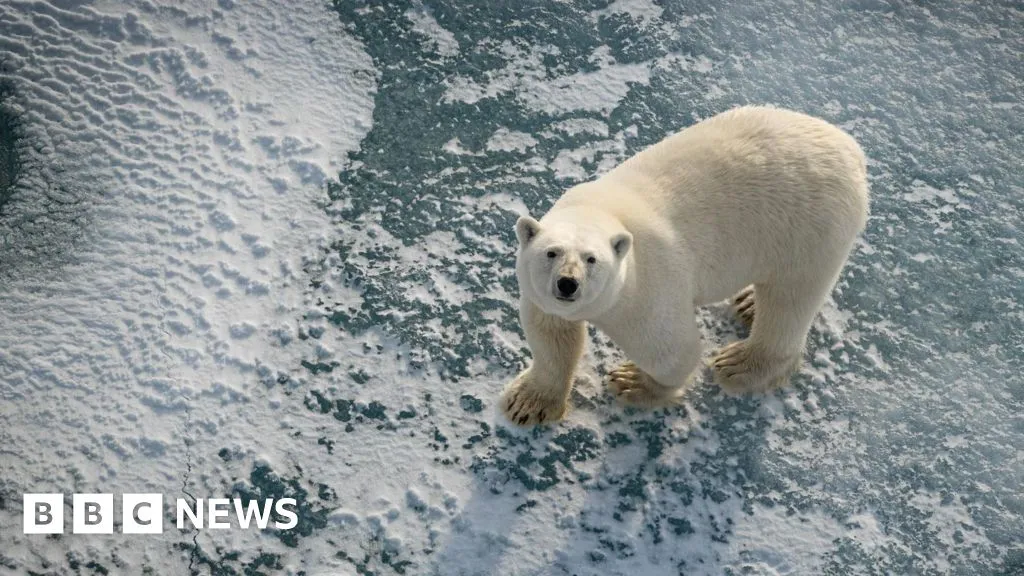
Polar bears in Svalbard are getting fatter. Since the early 1990s, as sea ice has steadily vanished from the Norwegian Arctic, the bears have somehow become heavier and healthier — the opposite of what climate scientists expected.

Researchers weighed and measured 770 adult polar bears between 1992 and 2019 and found a clear trend: these animals were packing on weight. The mechanism is straightforward but surprising. Polar bears hunt seals on sea ice, and seal blubber is their primary fuel — it's what keeps them warm, energized, and able to produce rich milk for cubs. As ice disappears, that hunting platform should vanish with it. Yet in Svalbard, something else has shifted.

The Unexpected Buffet

Walruses have made a comeback. Once hunted to near extinction, they've been protected in Norway since the 1950s, and their numbers have grown steadily. For a polar bear, a walrus is essentially a floating feast — far more calories than a seal. The bears have also begun hunting reindeer on land, a food source they rarely accessed before. "There are a lot more walruses around for them to hunt these days," said Dr. Jon Aars, lead researcher at the Norwegian Polar Institute. "It is also possible that they are able to hunt seals more efficiently" as the remaining seals crowd into smaller patches of ice, making them easier to catch.

Wait—What is Brightcast?

We're a new kind of news feed.

Regular news is designed to drain you. We're a non-profit built to restore you. Every story we publish is scored for impact, progress, and hope.

Start Your News Detox

This is genuinely remarkable: a large predator adapting to a radically altered environment, not by evolving, but by shifting what it eats. The bears in Svalbard are proof that ecosystems can be more flexible than we assume. The recovery also reflects something else working — strict hunting protections put in place decades ago meant the bear population itself was healthier going into this period of change, better positioned to adapt.

But here's the catch, and it matters. Experts are clear this is a temporary reprieve. As sea ice continues to shrink, polar bears will have to travel farther to reach walruses and seals. That extra travel burns energy, depleting the fat reserves they've built up. Recent research on the same population shows that more ice-free days are already linked to lower cub survival rates. The current abundance of alternative food is masking a deeper problem: the system they depend on is fundamentally breaking down.

What's happening in Svalbard right now is adaptation under pressure, not a solution. It's a window into how wildlife responds when pushed to the edge — sometimes with surprising resilience, but always with limits. As ice loss accelerates, those limits will matter.

74
SignificantMajor proven impact

Brightcast Impact Score

This article showcases how polar bears in the Norwegian Arctic have adapted to climate change-induced ice loss by shifting their diet to land-based prey, resulting in the bears becoming fatter and healthier. This is a notable new approach that could be replicated in other regions, and the detailed metrics and expert validation provide strong evidence of the positive impact. While the direct beneficiaries are limited to the polar bear population in Svalbard, the findings have broader geographic and temporal reach as they shed light on how certain species can adapt to climate change.

27

Hope

Solid

22

Reach

Strong

25

Verified

Strong

Wall of Hope

0/50

Be the first to share how this story made you feel

How does this make you feel?

1
2
3
4
5
6
7
8
9
10
11
12
13
14
15
16
17
18
19
20
21
22
23
24
25
26
27
28
29
30
31
32
33
34
35
36
37
38
39
40
41
42
43
44
45
46
47
48
49
50

Connected Progress

Storm drain rescue gives injured manatee a second chance at recovery
environment

Storm drain rescue gives injured manatee a second chance at recovery

The articles discuss how species, such as the Svalbard polar bears and the manatee in Florida, are adapting to environmental changes and threats, suggesting a shared cause-and-effect relationship between environmental factors and the resilience of wildlife.

Manatee pulled from Florida storm drain begins recovery at SeaWorld
environment

Manatee pulled from Florida storm drain begins recovery at SeaWorld

The articles discuss how species, such as the Svalbard polar bears and the manatee in Florida, are adapting to environmental changes and threats, suggesting a shared cause-and-effect relationship between environmental factors and the resilience of wildlife.

Toronto's Don River went from burning to teeming with fish
environment

Toronto's Don River went from burning to teeming with fish

The articles focus on the recovery of ecosystems and wildlife in specific geographic regions, with the Svalbard polar bears in the Arctic and the Don River in Toronto, indicating a shared regional focus on environmental restoration.

Yangtze River fish populations double after China's fishing ban
environment

Yangtze River fish populations double after China's fishing ban

The articles discuss how species are adapting and recovering in response to environmental changes, such as the Svalbard polar bears and the fish populations in the Yangtze River, suggesting a shared trend of ecological resilience.

Scotland's rarest grouse shows first real signs of recovery
environment

Scotland's rarest grouse shows first real signs of recovery

Both articles discuss positive environmental news, with the Svalbard polar bears adapting to ice loss and the capercaillie in Scotland showing signs of recovery, indicating a shared topic of environmental conservation.

Drop in your group chat

Apparently, polar bears on Norwegian islands are getting "fatter and healthier" despite ice loss. www.brightcast.news

Share

Originally reported by BBC Science & Environment · Verified by Brightcast

Get weekly positive news in your inbox

No spam. Unsubscribe anytime. Join thousands who start their week with hope.

More stories that restore faith in humanity