Researchers at Ohio State University tested six major bottled water brands against tap water from four treatment plants and found something that should shift how many of us think about what we drink.
Bottled water contained between 2.6 and 11.5 million microplastic particles per liter. Tap water came in at 1.6 to 2.6 million. That's more than three times the difference — and it's significant enough that the lead researcher, PhD candidate Megan Jamison Hart, changed her own habits after seeing the data.
How they measured the invisible
The real breakthrough here wasn't just the finding — it was how they found it. Microplastics and nanoplastics (particles smaller than a speck of dust) have been notoriously hard to measure. Hart's team developed a new method to isolate and count these particles with enough precision to actually compare sources. That matters because you can't fix a problem you can't quantify.
We're a new kind of news feed.
Regular news is designed to drain you. We're a non-profit built to restore you. Every story we publish is scored for impact, progress, and hope.
Start Your News DetoxWe still don't fully understand what microplastics do to human health. Animal studies have linked them to impaired immune function, increased inflammation, and cellular damage. The smaller nanoplastics are particularly concerning because evidence suggests they can cross into human tissues and even the brain. But the uncertainty doesn't mean we should wait for perfect knowledge before acting.
"While we don't really fully understand the human health risks associated with nanoplastic exposure, it's still better to try and mitigate that risk because evidence indicates that they do cause problems, even if we're not fully aware of what those are yet," Hart said.
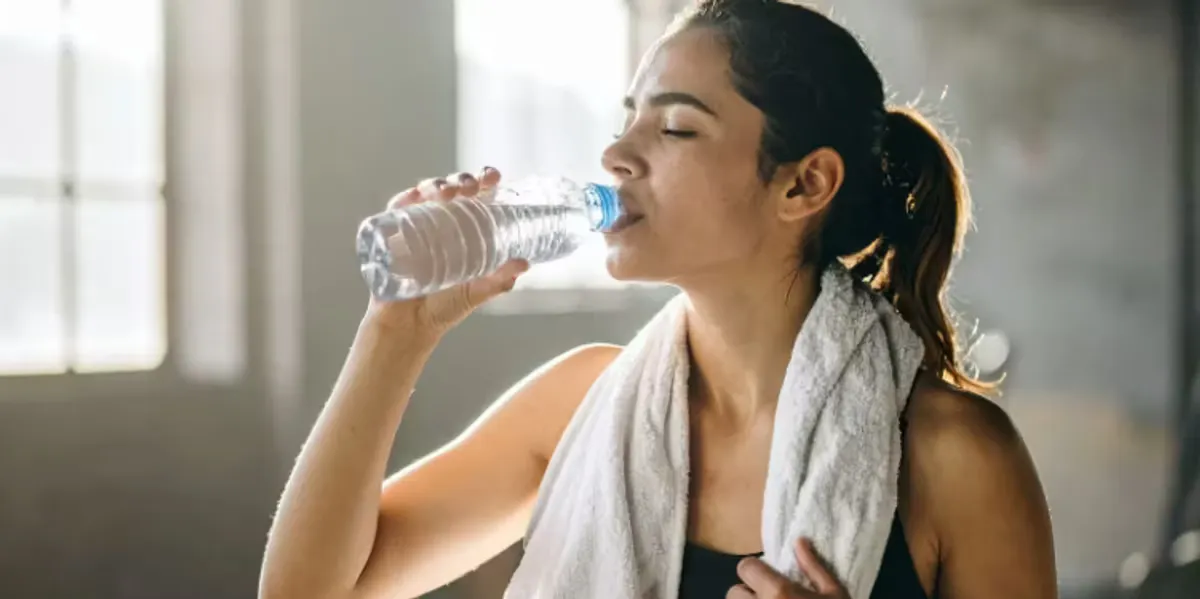
The practical takeaway is straightforward: if you're buying bottled water regularly, switching to filtered tap water in a reusable bottle cuts your microplastic intake dramatically. It's also cheaper and produces far less plastic waste — roughly 1.5 million tons of plastic from water bottles end up in landfills globally each year.
This study adds to a growing body of research showing that the bottled water industry's main selling point — purity and safety — doesn't hold up against what's already flowing through most municipal systems. The next question researchers will likely tackle is whether those filtration methods can be optimized even further.