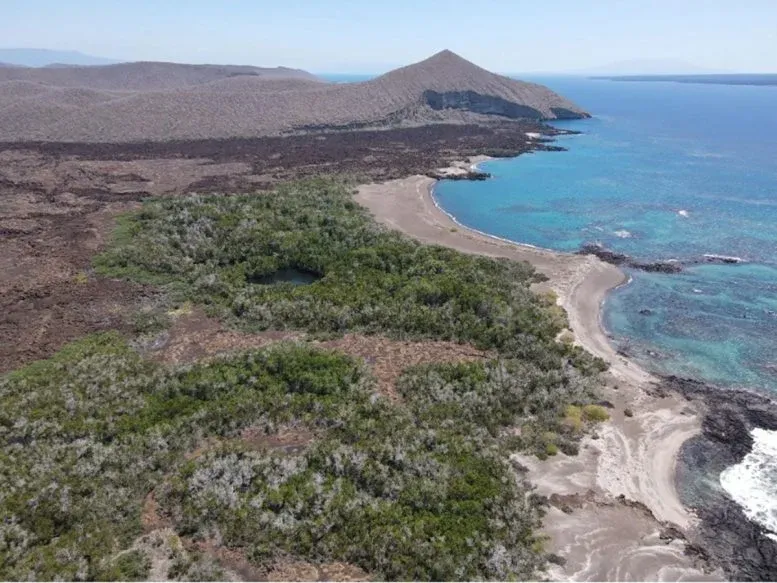
The Galápagos snapdragon, a plant once on the verge of disappearing, is now making a comeback. This recovery is thanks to a long-term effort by the Charles Darwin Foundation and the Galápagos National Park Directorate.
For many years, the Galvezia leucantha was only known from a dried sample collected in 1962. Patricia Jaramillo Díaz, a senior researcher, wondered if the plant still existed in the wild.
Bringing a Plant Back From the Brink
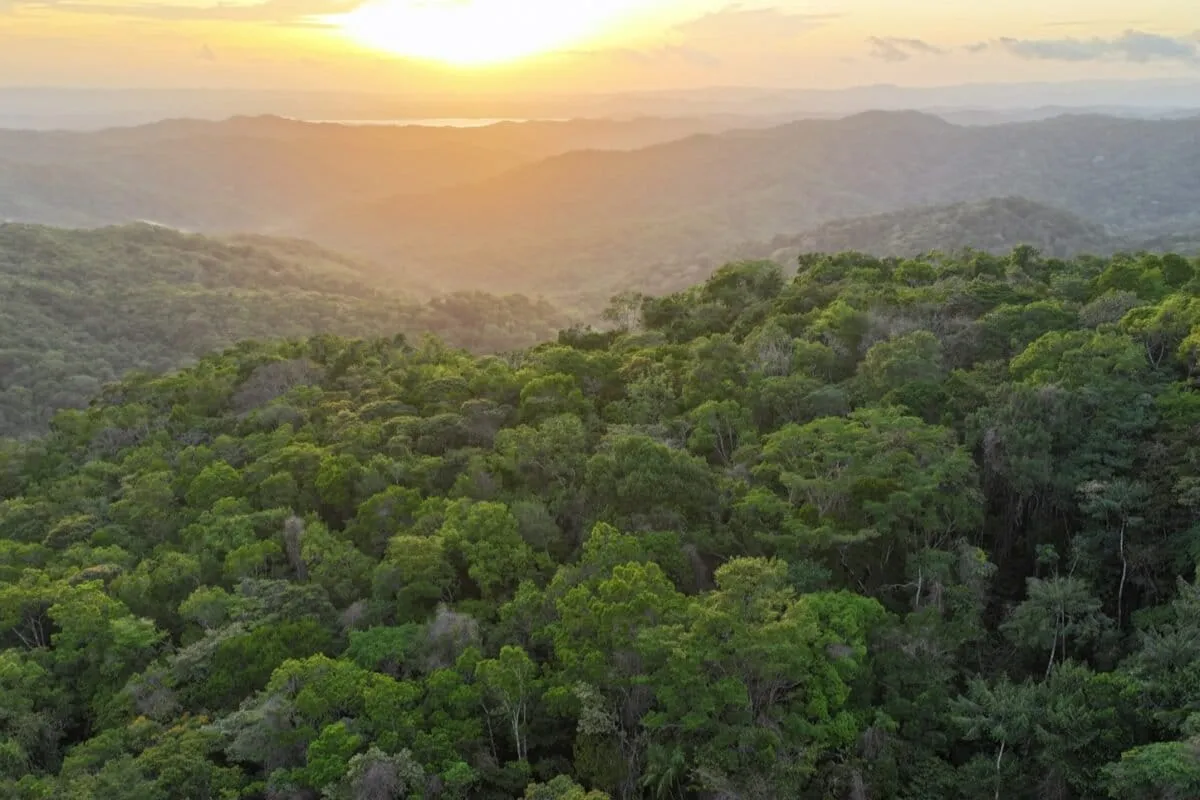
In 1998, a search began in the tough lava fields of northern Isabela Island. By 2007, only six of these plants were left, clinging to life in small cracks near the Darwin Volcano. Overgrazing by animals brought to the island had made the species very vulnerable.
We're a new kind of news feed.
Regular news is designed to drain you. We're a non-profit built to restore you. Every story we publish is scored for impact, progress, and hope.
Start Your News DetoxJaramillo Díaz, the study's lead author, said losing these plants would mean losing a key part of the Galápagos' plant history.
The Galápagos Verde 2050 (GV2050) program stepped in. They grew new plants in nurseries and then carefully moved them back to the wild. Between 2017 and 2024, the program successfully planted 94 nursery-grown shrubs in the challenging volcanic landscape of Isabela.
To help these young plants survive in the dry environment, researchers tested ways to save water. The Groasis Waterboxx system worked very well, with all plants tested using it surviving.
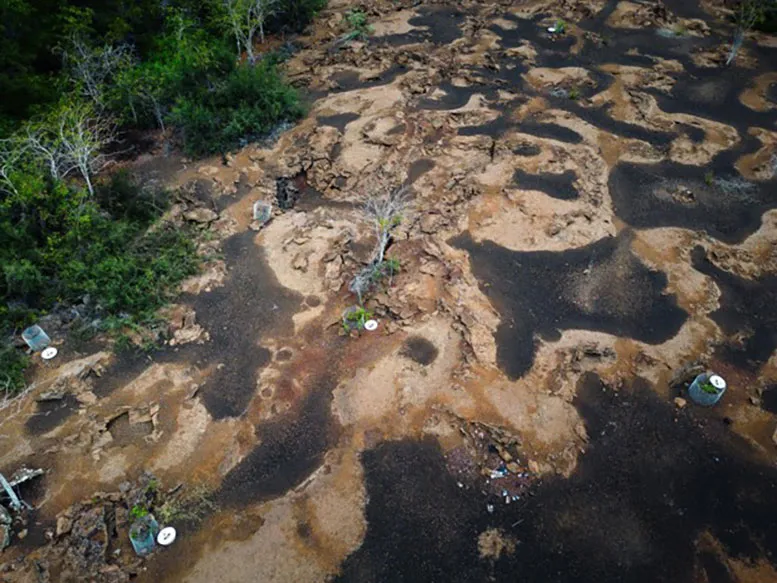
The project also showed that young snapdragons first grow strong roots before much growth appears above ground. This knowledge helped researchers know when plants were ready to leave the nursery, improving their chances of survival.
New Challenges and Future Steps
In 2021, a big step forward happened at Playa Tortuga Negra. Researchers found four seedlings that had grown naturally from cracks in the lava. This proved that the restored plants were flowering, making seeds, and reproducing on their own.
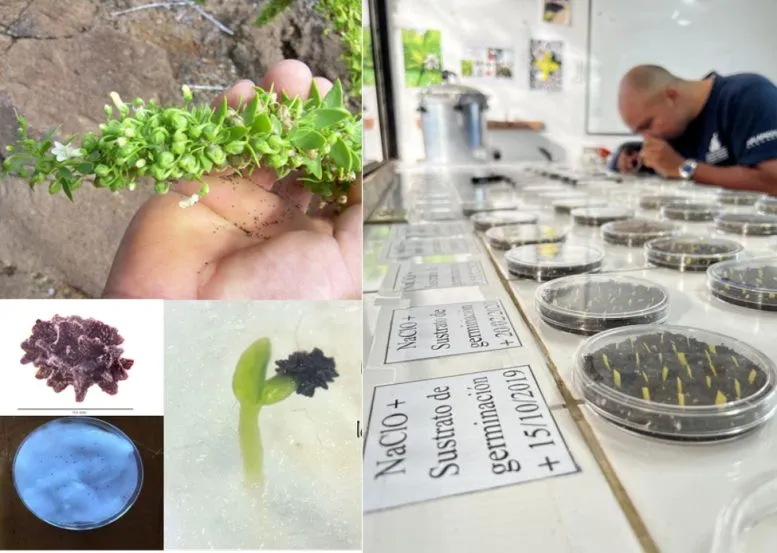
However, these seedlings died during a drought. This showed the next challenge: future generations need to survive in drier conditions. Jaramillo Díaz noted that "True restoration begins when nature no longer depends on us."
In 2024, the Galápagos snapdragon returned to Caleta Tagus, its original home from 1962. More than 60 years later, eight plants are now thriving at this historic spot.
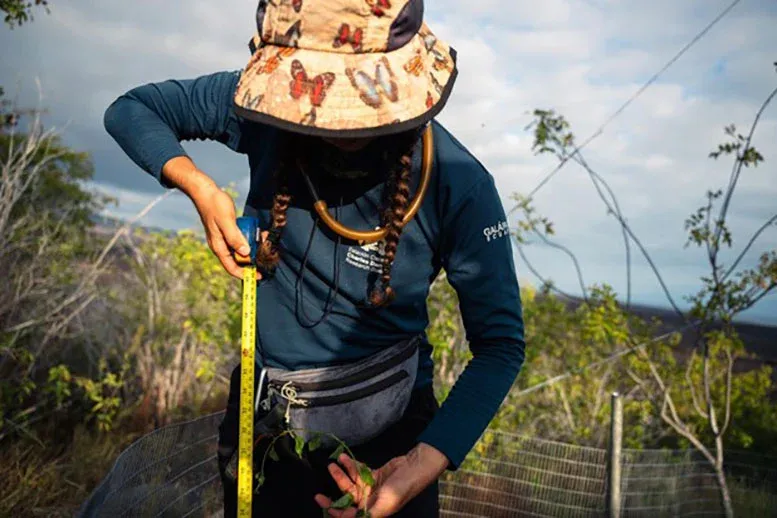
Jaramillo Díaz highlighted the team effort, including park rangers, field assistants, nursery staff, researchers, students, and volunteers.
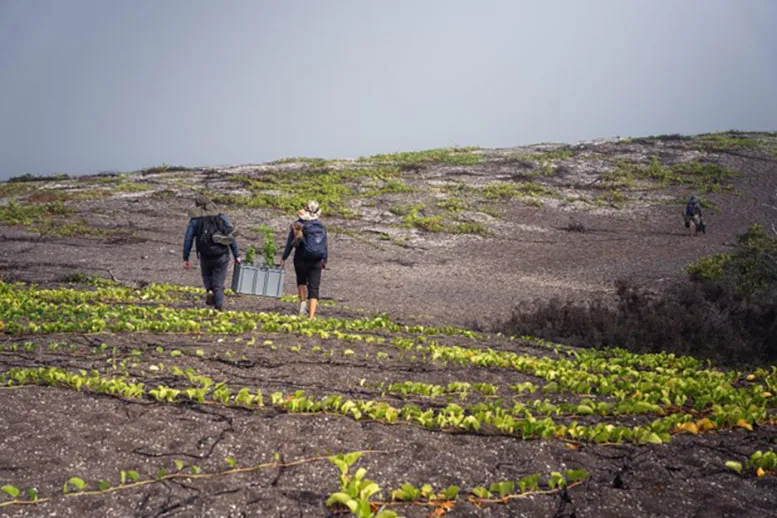
This project offers a blueprint for restoring other endangered island plants in similar environments. It shows how old plant records combined with modern management can help species recover.
Jaramillo Díaz concluded that "Conservation begins with curiosity, advances through science, and succeeds through collaboration."
There are now 28 adult plants across two restoration sites: 20 at Playa Tortuga Negra and eight at Caleta Tagus. Lack of water is still the main challenge for long-term recovery, especially for young seedlings. Years of research have provided practical ways to grow, plant, and care for the species.
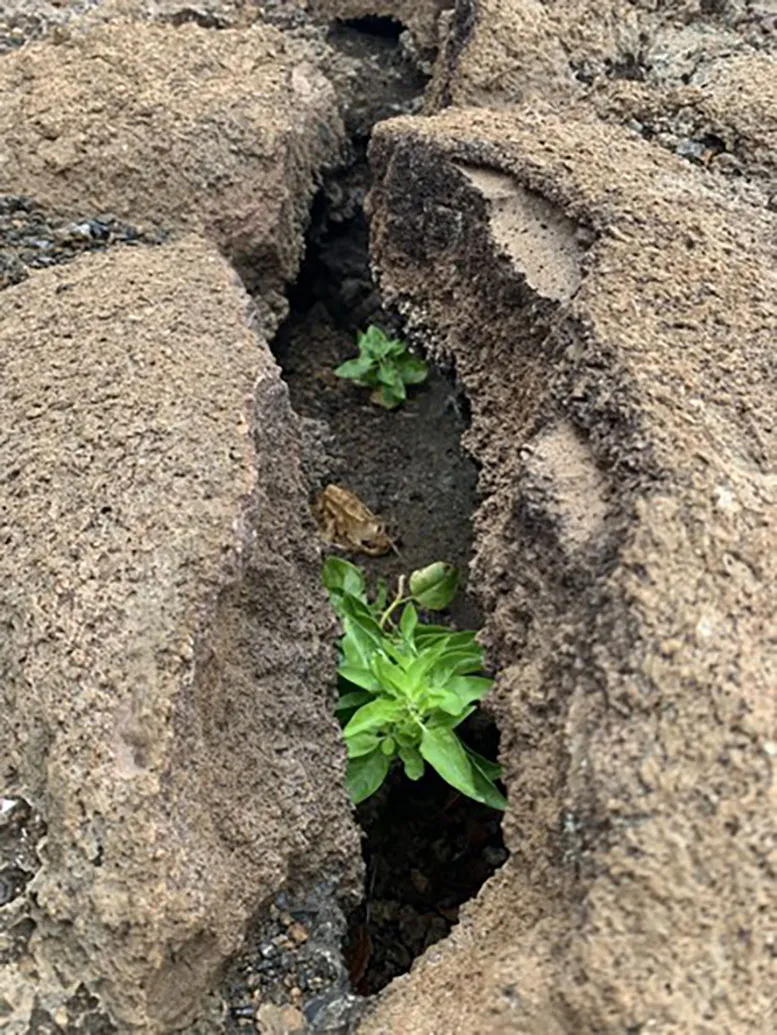
The next step is to continue these conservation efforts through the partnership between the Charles Darwin Foundation and the Galápagos National Park Directorate. This will ensure ongoing planting, monitoring, and management. The methods are also detailed in the new guide, Flora Nativa y Endémica de las Islas Galápagos: Guía de propagación (Jaramillo et al., 2025).
Deep Dive & References
Advances in the recovery of Galvezia leucantha subsp. leucantha (Plantaginaceae): restoring a critically endangered species on northern Isabela Island, Galápagos - Nature Conservation, 2026