You don't need soil to create a beautiful garden. Many gardeners are now using leftover building materials like concrete, gravel, and sand. These "rubble gardens" are great for plants that don't need much water and they boost local wildlife.
Gardens from Waste
The Horniman Museum and Gardens in London is a great example. Its head of horticulture, Errol Reuben Fernandes, decided to use 25 tonnes of waste concrete aggregate. This material came from a path redevelopment. The team then planted many xerophytes, which are plants that thrive with little water. These plants come from places like the Mediterranean, Peru, Chile, Bolivia, and Mexico. Fernandes noted that plants from these regions handle very hot summers and cold winters well.
Before, the garden had mostly Agapanthus and bamboo. These were nice but didn't offer much change throughout the year. Now, the rubble garden provides diverse plants and habitats.
We're a new kind of news feed.
Regular news is designed to drain you. We're a non-profit built to restore you. Every story we publish is scored for impact, progress, and hope.
Start Your News DetoxOther experts are also exploring this idea. Peter Korn, a garden designer in Malmö, Sweden, has focused on sand-based planting. John Little, known as a "brownfield gardening guru" in Essex, uses innovative methods for these types of sites.
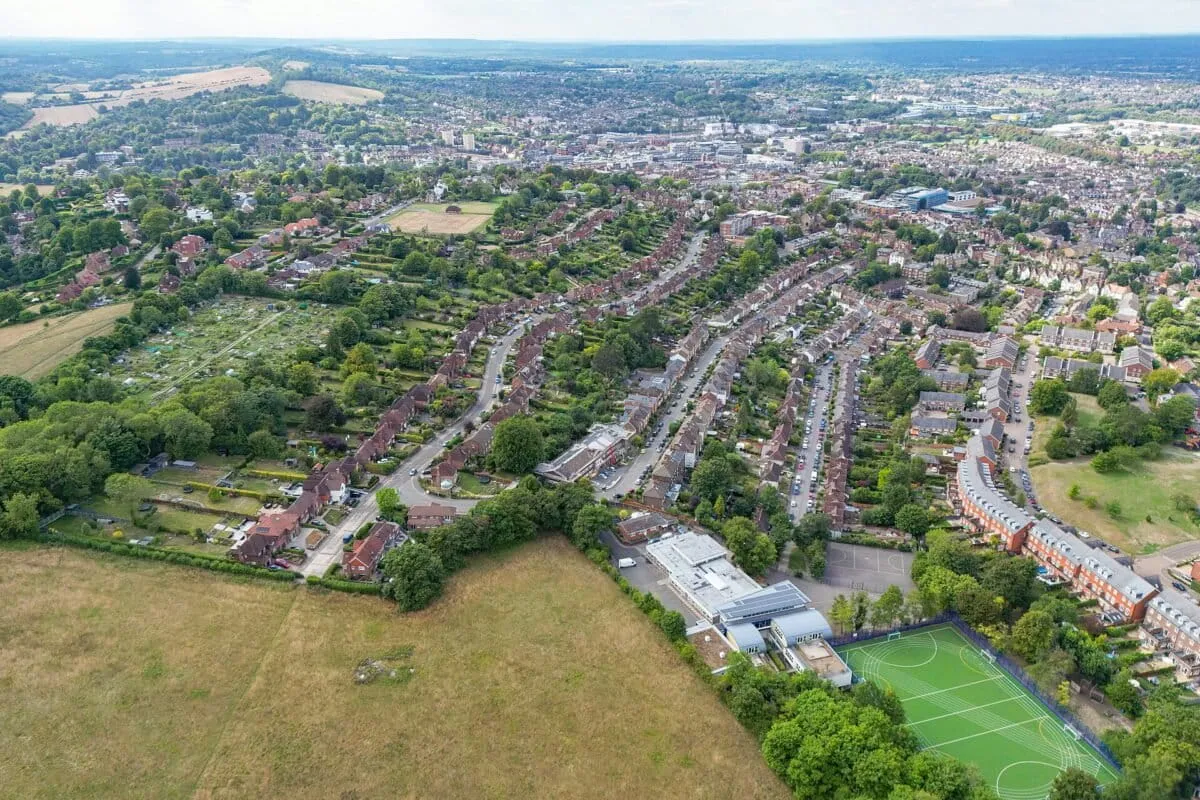
Nathan Apperley, head gardener at Yeo Valley Organic, sees a bigger picture for rubble gardens. He believes they could change how we design gardens for new homes. Many new houses in England have gardens with poor soil and drainage, which can disappoint homeowners.
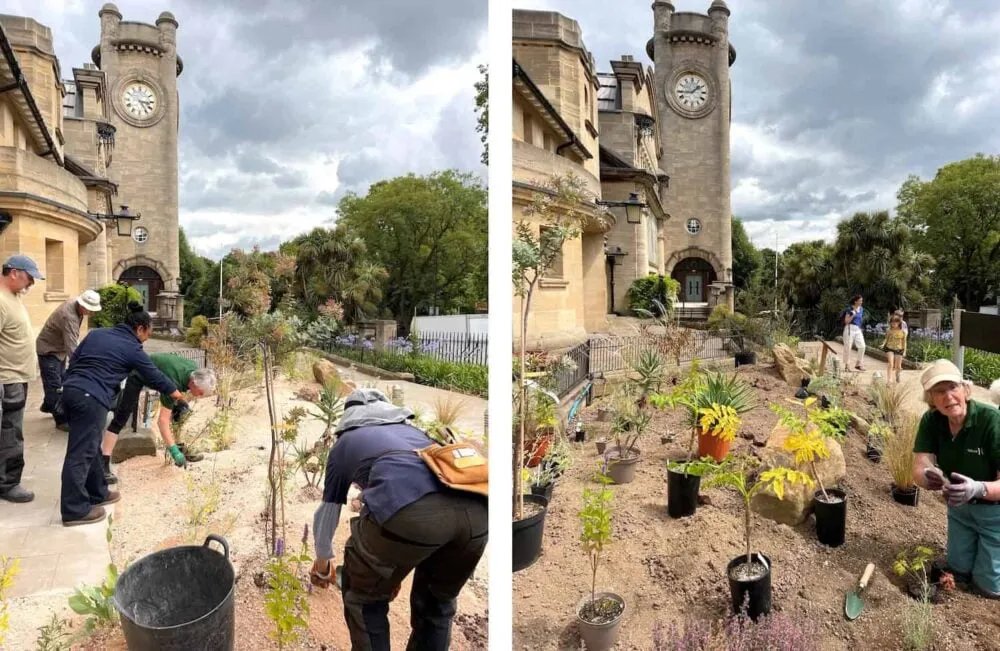
Apperley explained that builders often just throw topsoil over compacted ground. This leads to lawns that fail. Rubble gardens offer a natural, wild look that attracts bees, beetles, spiders, and other insects. This creates a thriving ecosystem.
Apperley and his team are building their own rubble garden at Yeo Valley Organic in Somerset. They use crushed building materials. Even though they are still learning techniques like planting with pickaxes, the garden has done "incredible" things during this year's drought.
These gardens are not just for public spaces. Elizabeth Waddington, a permaculture designer in Scotland, used waste from renovating an old stone barn. She left a pile of rubble, and it naturally became home to many native wildflowers. It had fewer weeds than a traditional composted garden.
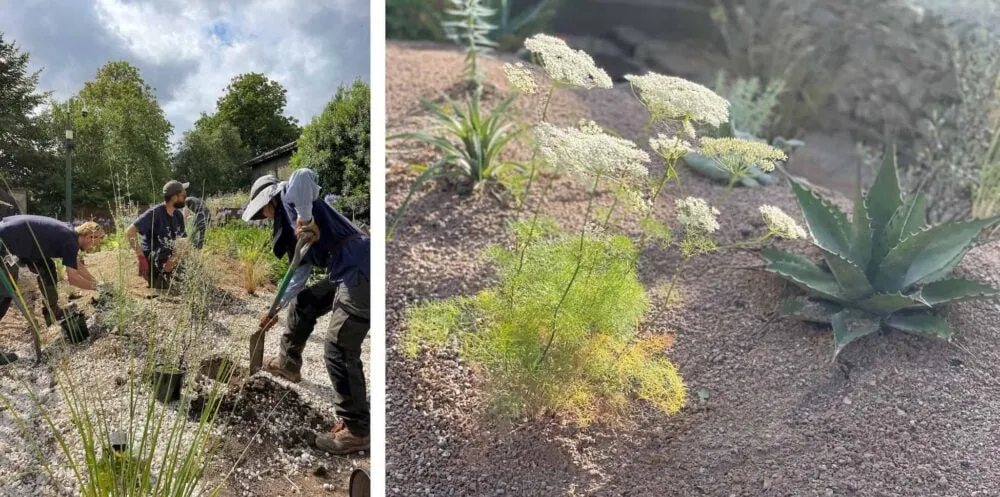
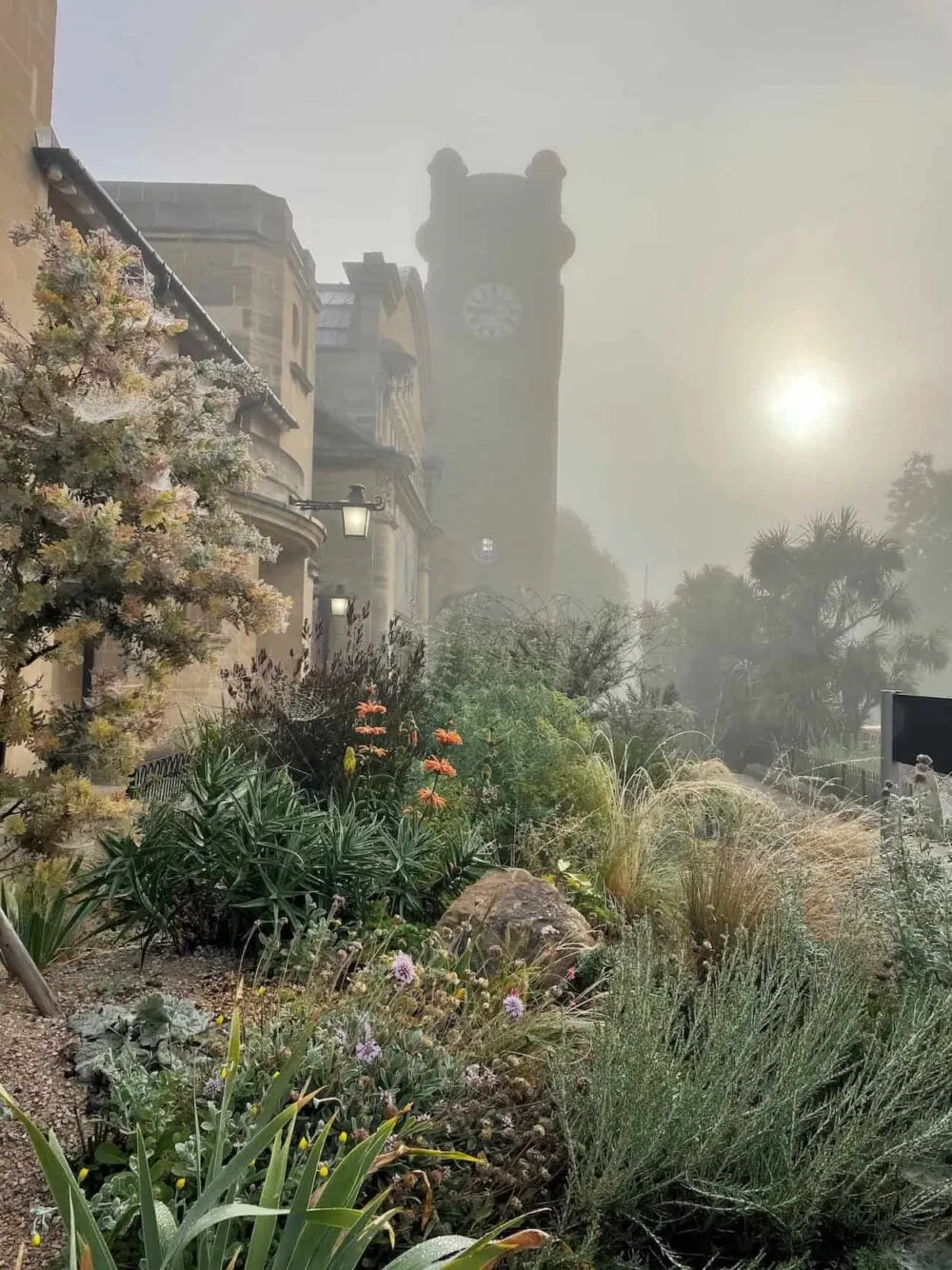
Fernandes noted that rubble gardens might look different, but that's part of their appeal. He suggests talking to neighbors about the vision, especially when starting with a pile of concrete. This dialogue helps people understand the purpose behind it.
How to Create Your Own Rubble Garden
Errol Reuben Fernandes offers five steps to design a beautiful space using waste materials.
1. Use the Right Waste
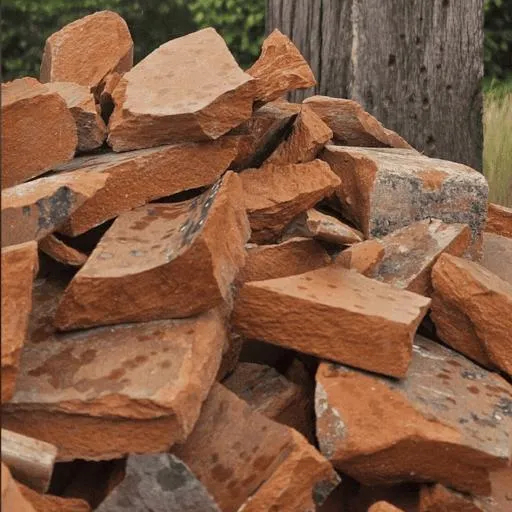
Rubble gardens are eco-friendly because they use materials that would otherwise go to landfills. Fernandes stresses using materials found on-site or locally to avoid long transport distances. You can also team up with others in your area who have building waste.
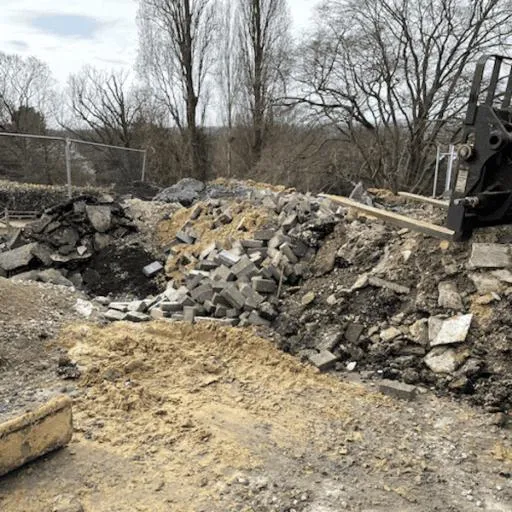
2. Shape Your Waste
Shaping your raw materials helps the garden succeed. Aim for rubble of different sizes. You can use tools from local libraries or even a mallet to break up larger pieces.
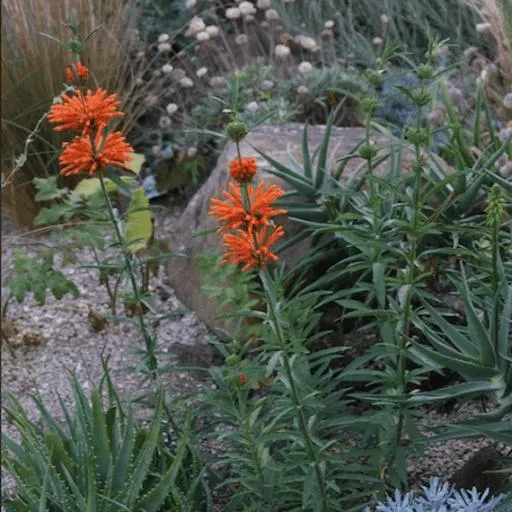
3. Choose Appropriate Plants
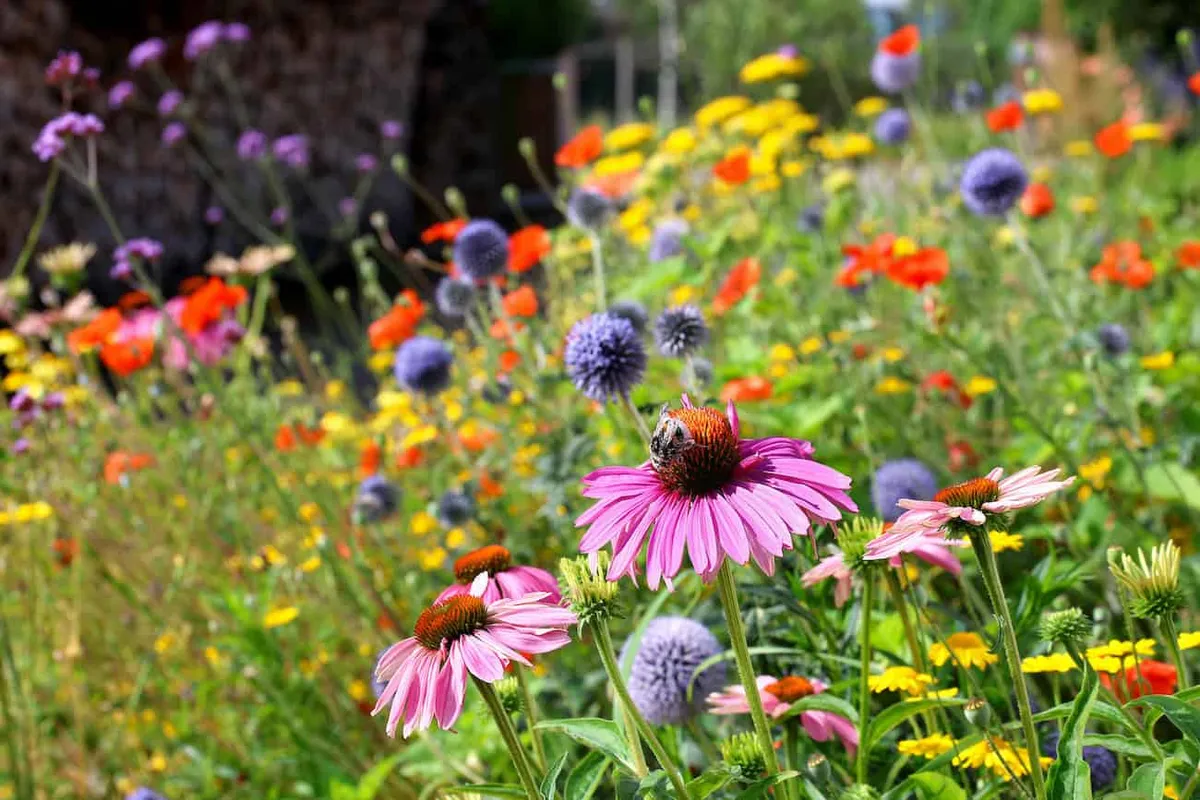
Plant selection is key. Many common garden plants can thrive in rubble. Iris reticulata offers early spring color. Echinaceas (coneflowers) often do better in rubble than in soil. Other good choices include the Ethiopian Acanthus sennii, Polygonum scoparium, and lamb's ear (Stachys byzantina). These plants are adapted to dry conditions.
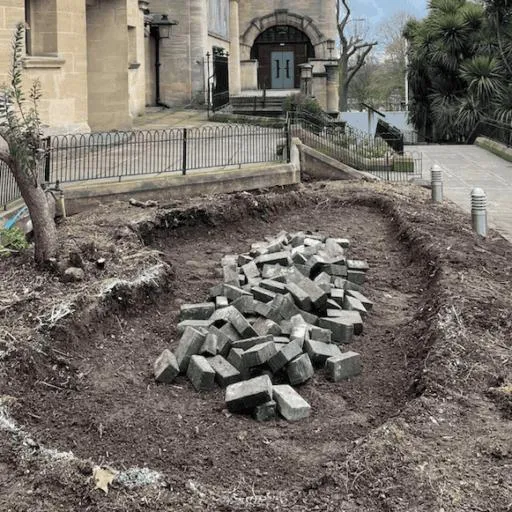
4. Mould a Layered Base
Layering your waste materials is important. Mound and heap the rubble to create varied growing opportunities for different species. Make sure at least some of your rubble garden faces south. Start with larger materials at the bottom and gradually use finer materials towards the surface. This layering helps with drainage and allows xerophytes to survive wet winters, which they would struggle with in traditional soil.
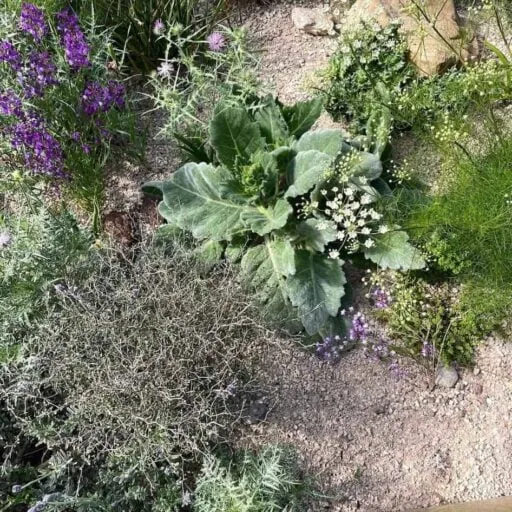
5. Bed in Properly
When planting, skip the compost. Fernandes advises trusting the process. Shake off most of the soil from the plant's pot and plant directly into the aggregate. After an initial "puddling in" with water, the garden should largely take care of itself. You likely won't need to water it after the first year.