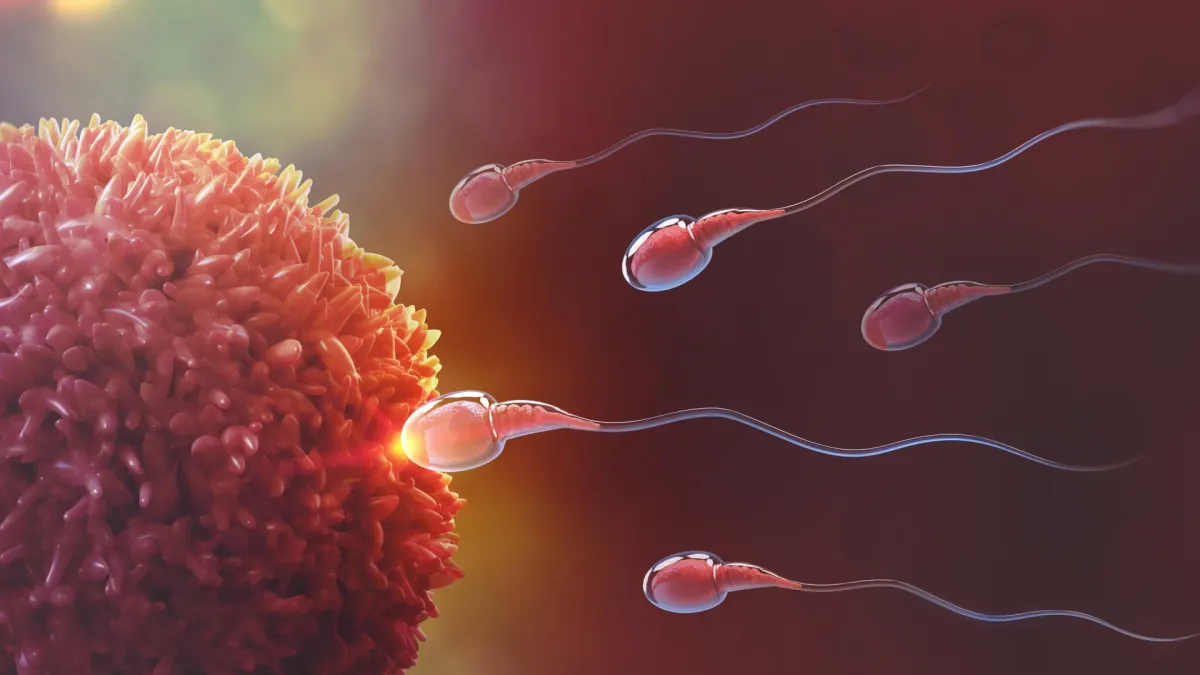
Scientists at Cornell University are closer to creating a male birth control. This method would be safe, reversible, and nonhormonal. It would also completely stop sperm production.
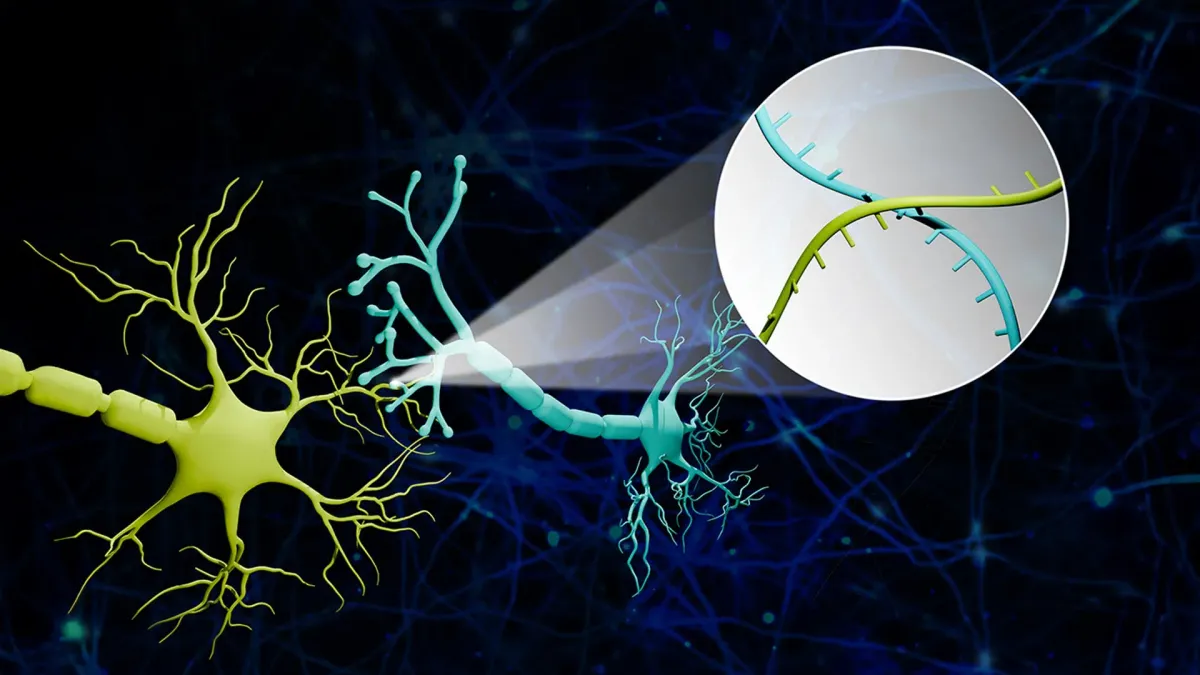
In a study with mice, researchers used a compound called JQ1. This compound temporarily stopped meiosis, the process that creates sperm. It did this without causing lasting harm. After the treatment stopped, sperm production returned to normal. The mice became fertile again and had healthy offspring.
Why New Male Birth Control Options Are Needed
Currently, men only have condoms and vasectomies for birth control. Vasectomies are long-term, but many men don't want the surgery. Reversal surgery is sometimes possible, but not always.
We're a new kind of news feed.
Regular news is designed to drain you. We're a non-profit built to restore you. Every story we publish is scored for impact, progress, and hope.
Start Your News DetoxResearchers have also been careful about creating hormonal birth control for men. This is because of safety concerns seen with hormonal methods for women.
Paula Cohen, a professor of genetics at Cornell, leads the research. Her team focused on meiosis to ensure sperm production could fully stop and then recover. This approach also protects overall reproductive health.
Cohen explained that they did not want to harm the stem cells that produce sperm. If those cells are damaged, a man would not be able to become fertile again.
How JQ1 Temporarily Stops Fertility
JQ1 works by interrupting meiosis during an early stage called prophase 1. This causes developing cells to die at that point. It also blocks genes needed for later stages of sperm development.
In the study, male mice received JQ1 for three weeks. During this time, sperm production stopped completely. Key parts of meiosis were disrupted.
Once the treatment ended, the mice started to recover. Within six weeks, most normal meiotic processes returned. Healthy sperm production also came back. The researchers then bred the mice, confirming they were fertile. Their offspring were healthy and could also reproduce.
Cohen noted that the study shows full recovery of meiosis and sperm function. Importantly, the offspring were completely normal.
What a Future Male Contraceptive Could Look Like
If this method is developed for humans, it could be an injection given every three months. It might also be a patch to keep it effective, Cohen said.
Deep Dive & References
Meiotic prophase I disruption as a strategy for nonhormonal male contraception using small-molecule inhibitor JQ1 - Proceedings of the National Academy of Sciences, 2026