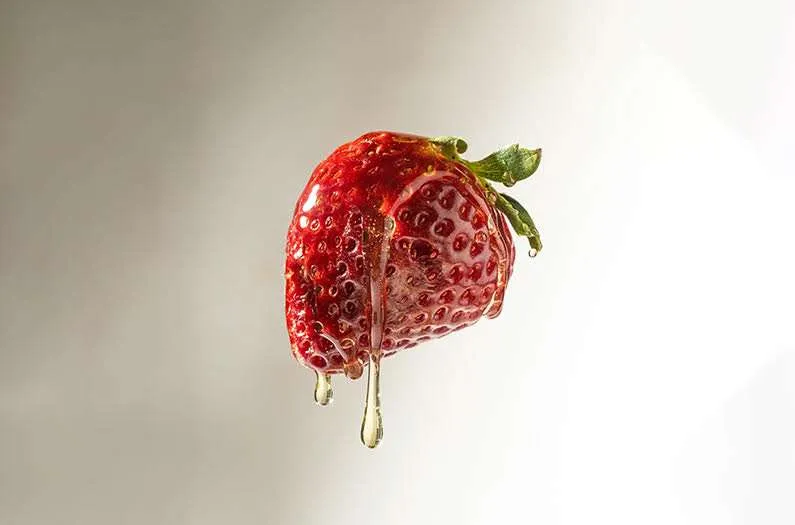
For over a century, the search has been the same: find a sweetener that tastes like sugar without the calories, blood sugar spike, or tooth decay. Saccharin didn't quite work. Neither did aspartame. Stevia got closer, but the aftertaste lingers. Now researchers at Tufts University say they've found something different — a naturally occurring sugar so rare it barely exists in food, but one they've learned to manufacture efficiently.
It's called tagatose. And the breakthrough isn't the sugar itself — it's how they're making it.
The Problem With Making Rare Sugars
Tagatose appears in tiny traces in milk, yogurt, and some fruits. It's chemically similar to table sugar and tastes nearly identical. The catch: it exists in nature in such small amounts that extracting it directly isn't practical. Scientists have known how to synthesize it for years, but the old methods were expensive and inefficient, producing yields of only 40 to 77 percent.
We're a new kind of news feed.
Regular news is designed to drain you. We're a non-profit built to restore you. Every story we publish is scored for impact, progress, and hope.
Start Your News DetoxNik Nair, an associate professor at Tufts, led a team that approached the problem differently. Instead of fighting the chemistry, they engineered the chemistry itself. They took the common bacterium Escherichia coli — the same one used in countless biotech applications — and loaded it with enzymes that could convert glucose, a cheap and abundant sugar, directly into tagatose.
The key was discovering an enzyme from slime mold called galactose-1-phosphate-selective phosphatase. By splicing this enzyme into their bacteria, the researchers reversed a natural metabolic pathway. The bacteria now efficiently transform glucose into galactose, and then into tagatose, with yields reaching 95 percent. That's a dramatic improvement.
Why This Matters Beyond the Lab
Tagatose has a practical advantage over other sugar substitutes. It provides about 92 percent of the sweetness of table sugar while containing roughly 60 percent fewer calories. More importantly, it behaves like sugar in the kitchen — it browns when heated, provides the structure needed for baking, and doesn't leave an artificial aftertaste. High-intensity sweeteners can't do this.
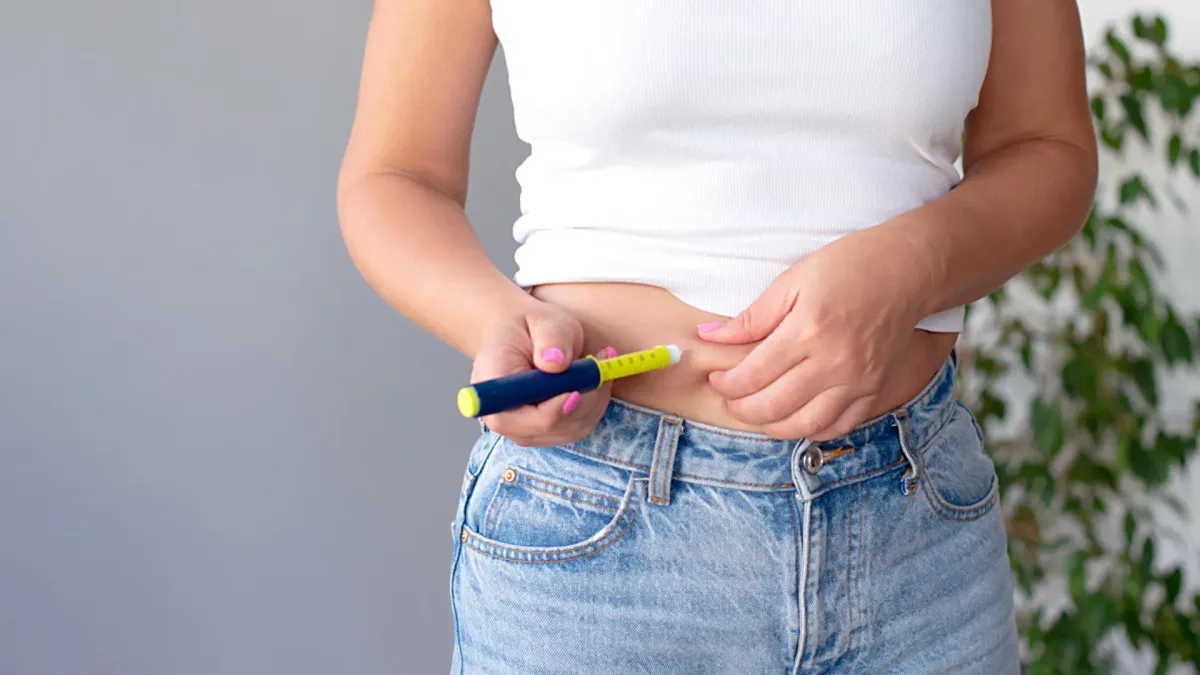
The body processes tagatose differently too. Only part of it is absorbed in the small intestine; the rest is fermented by gut bacteria. This means it causes much smaller spikes in blood glucose and insulin compared to regular sugar — a significant advantage for people managing diabetes. Early clinical studies show minimal rises in blood glucose after consumption.
There are hints of additional benefits. Unlike sucrose, tagatose appears to slow the growth of cavity-causing bacteria. Research suggests it may even have probiotic effects, supporting healthier bacteria in the mouth and gut.
The FDA has already classified tagatose as "generally recognized as safe," the same designation given to salt and vinegar, which clears the path for food manufacturers to use it.
What Comes Next
The researchers believe this biosynthetic approach could work for other rare sugars too, potentially opening up a new category of sweeteners that taste real because they essentially are. The barrier was never the science — it was the economics. Now that's changed.