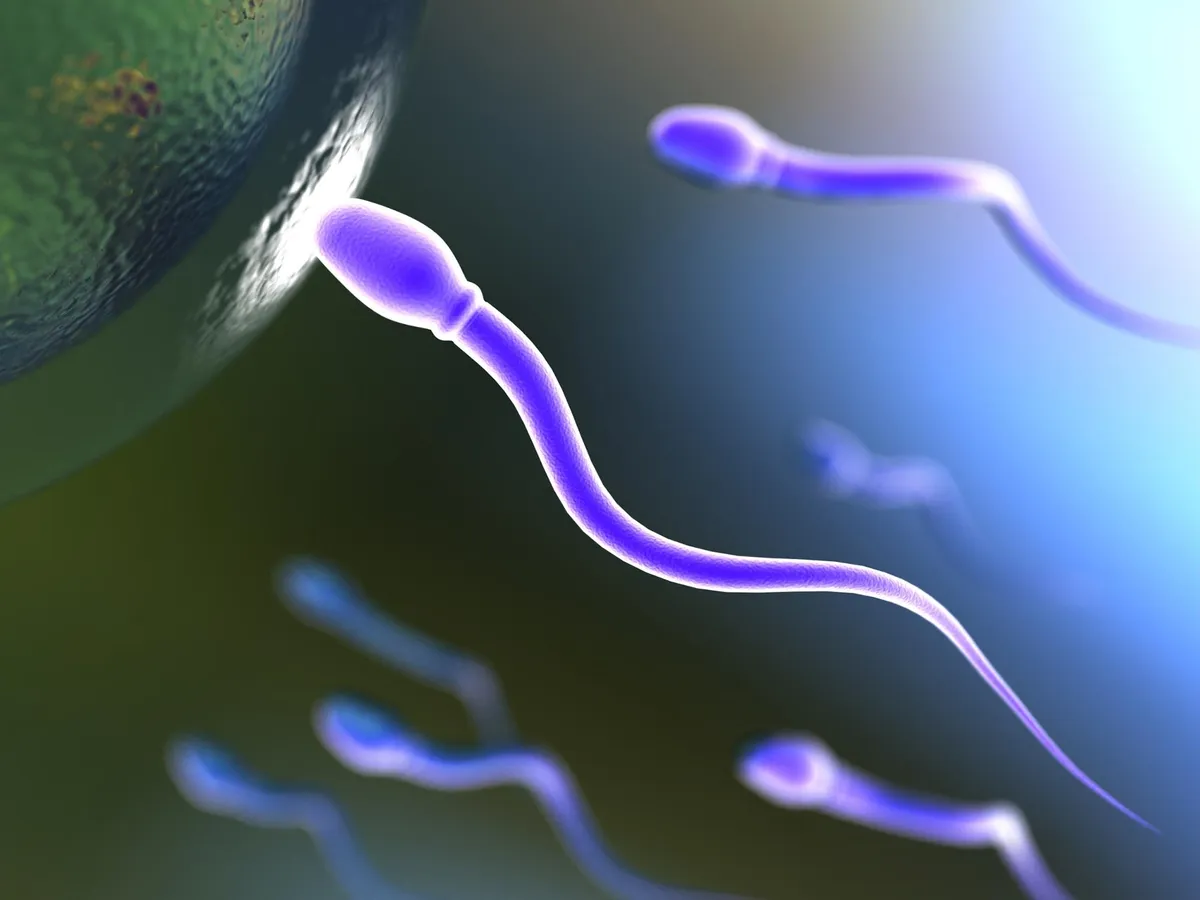
For years, men preparing for fertility tests were told to avoid ejaculation for several days. The idea was that this would build up sperm count.
However, new research from the University of Oxford suggests this advice might be wrong. It turns out that storing sperm for too long might actually make it age faster.
Sperm Quality Declines with Storage
The study looked at data from nearly 55,000 men and many animal species. Researchers found that sperm quality drops the longer it is stored. This happens regardless of the male's age.
We're a new kind of news feed.
Regular news is designed to drain you. We're a non-profit built to restore you. Every story we publish is scored for impact, progress, and hope.
Start Your News DetoxMore frequent ejaculation, whether through sex or masturbation, was linked to healthier sperm. It also showed less DNA damage. This challenges old recommendations and shows that sperm can age on its own, separate from the body that produces it.
The team reviewed 115 human studies and 56 animal studies. They found that mature sperm gets worse during storage. This process is called post-meiotic sperm senescence. This decline can hurt sperm performance, fertilization, and even embryo quality. It helps explain why when ejaculation happens might be more important for fertility than once thought.
In humans, longer times without ejaculation meant more sperm DNA damage and stress. It also led to lower sperm movement and ability to survive.
Dr. Rebecca Dean, a co-lead author, explained that sperm use up their energy quickly and can't repair themselves much. This makes storage especially harmful for them. She noted that regular ejaculation can give a small but important boost to male fertility.
Differences Between Males and Females
Both male and female animals store sperm. In humans, sperm can live for several days inside females, but we don't know much about the effects of this storage. For males, storage helps make sure enough sperm are ready for mating. For females, it allows reproduction even when males are scarce.
The study found that sperm quality drops at different rates in males and females. Females were generally better at keeping sperm quality high for longer periods.
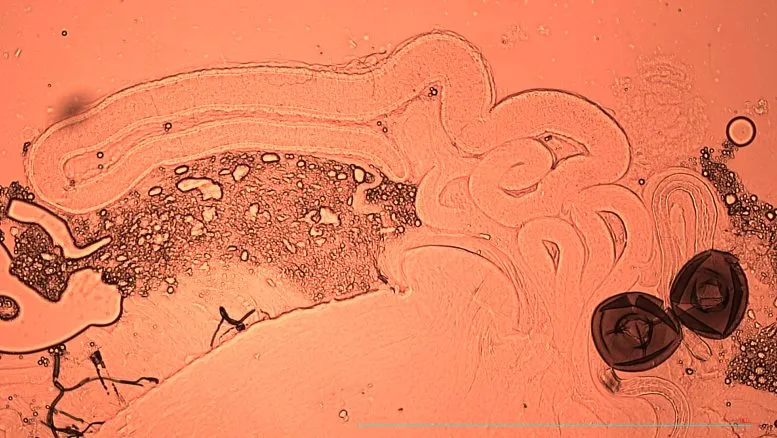
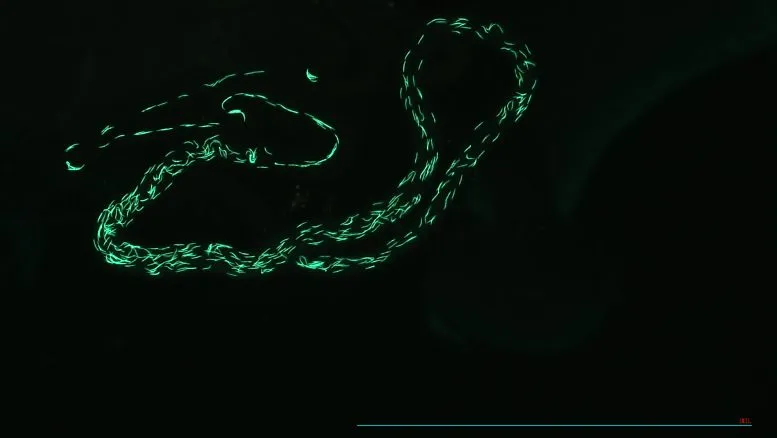
Dr. Irem Sepil, a senior author, said this is likely because females have evolved special storage organs. These organs might provide antioxidants to help sperm live longer. She believes these organs could inspire new ways to improve artificial sperm storage.
Dr. Krish Sanghvi, the lead author, added that ejaculates are like populations of individual sperm. They are born, die, age, and are selected. The rates of these processes can differ in males and females. This affects how sperm populations are structured and how storage affects sperm in each sex.
What This Means for Human Fertility
Reproductive medicine has largely ignored that sperm can age in both sexes, separate from the age of the animal. These findings could directly change clinical practices. For example, the study suggests that the seven-day limit for abstinence in WHO guidelines might be too long.
This fits with newer evidence that ejaculating within 48 hours before giving a sample can greatly improve IVF success.
By combining medical and animal research, this study offers a new way to understand reproduction. Beyond helping fertility clinics, these findings could also benefit breeding programs for endangered species. They might also help us understand how different species evolved ways to protect sperm during storage.
Deep Dive & References
Sperm storage causes sperm senescence in human and non-human animals - Proceedings of the Royal Society B: Biological Sciences, 2026