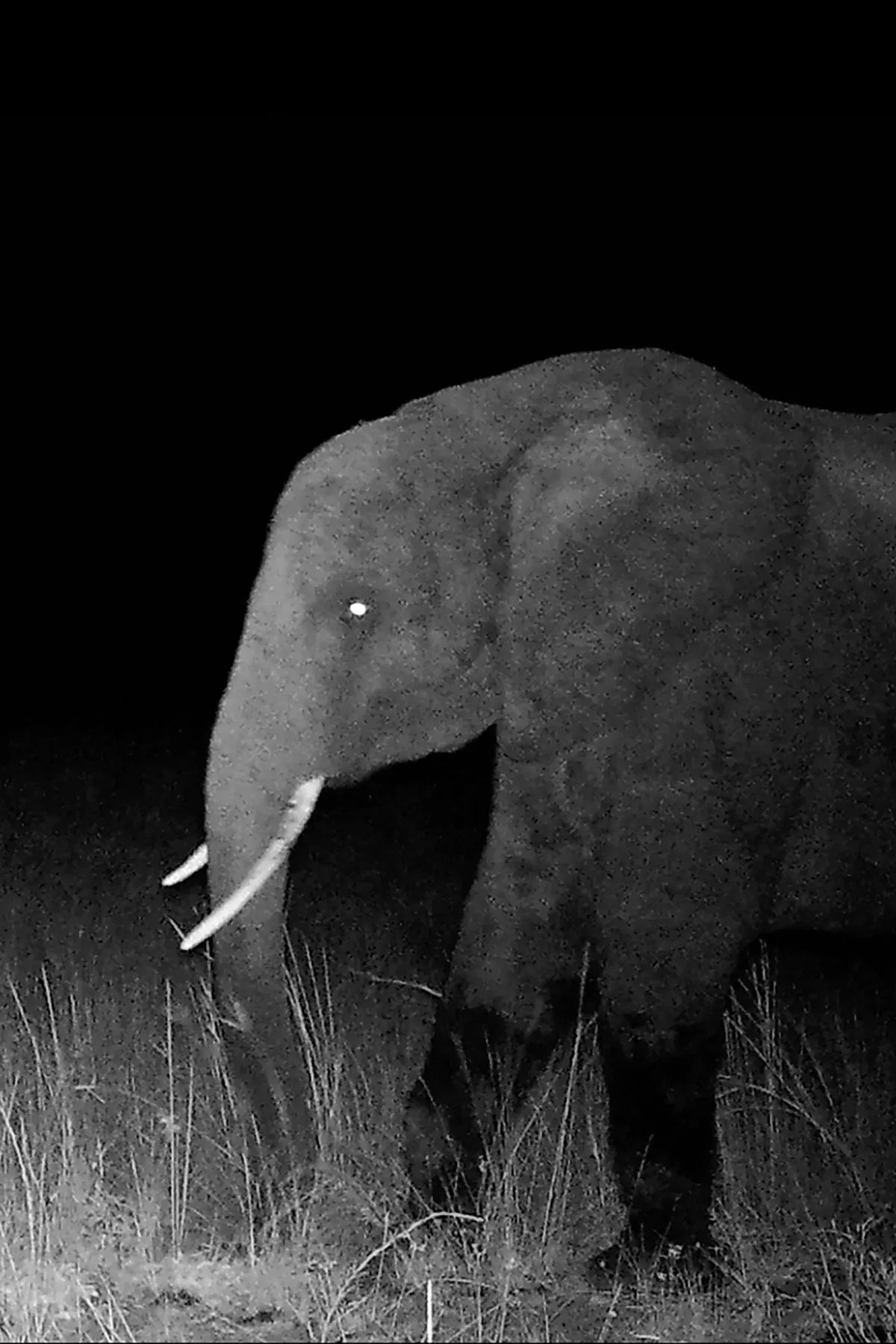
For over a decade, conservation biologist Steve Boyes searched for "ghost elephants." These giant, nocturnal animals were rumored to live in a remote, high-altitude wetland in eastern Angola. In 2024, a motion sensor camera finally captured their image.
Boyes then asked scientists at Stanford University to help identify these mysterious elephants.
Unraveling the Genetic Mystery
DNA from elephant dung provided an unexpected answer. The ghost elephants have a unique genetic makeup, different from any previously studied population. Their closest relatives are elephants in Namibia, hundreds of miles to the south.
We're a new kind of news feed.
Regular news is designed to drain you. We're a non-profit built to restore you. Every story we publish is scored for impact, progress, and hope.
Start Your News DetoxDmitri Petrov, a professor at Stanford, led the genetic analysis. He noted that DNA sequencing has become very powerful.
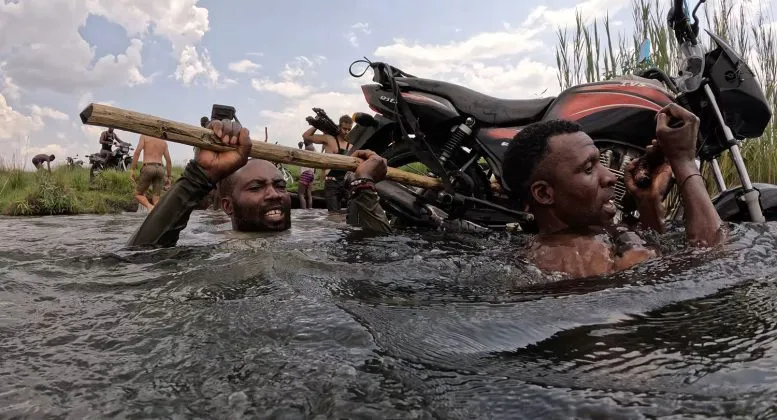
The search for these elephants and the science behind it are featured in a new National Geographic documentary by Werner Herzog. The film shows Boyes, a National Geographic Explorer, traveling to Lisima Ly Mwono. This wetland is so isolated that the team had to carry motorbikes across rivers.
These elephants are larger than others in the region and are active at night. Boyes believes they might be descendants of "Henry," the largest land mammal ever recorded. Henry was killed in Angola in the 1950s, and his remains are at the Smithsonian National Museum of Natural History.
Boyes brought dung samples to Petrov and Katie Solari, a senior scientist in the Petrov Lab. The lab uses genomic tools to study how species adapt. Former Stanford researcher Jordana Meyer was key in bringing this project to the lab. Ellie Armstrong, another former Stanford researcher, also contributed.
How DNA from Dung Helps
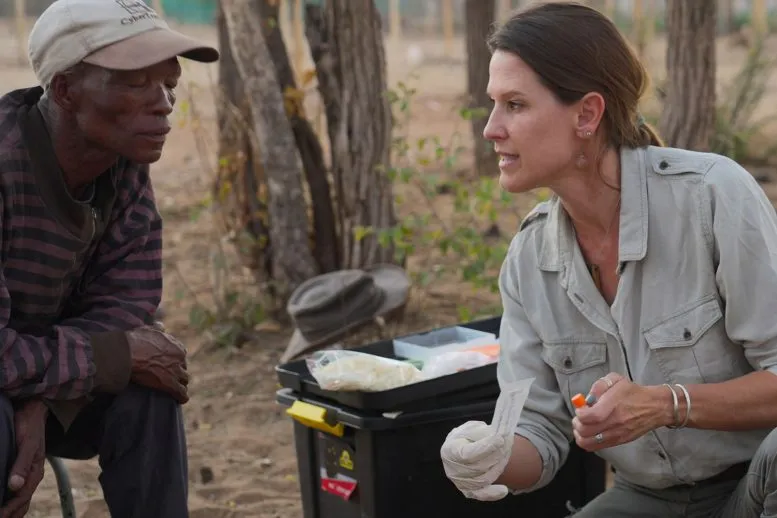
In the lab, researchers used a "bead basher" to break open cells in the dung samples and release DNA. This DNA was then sent for full genome sequencing.
Solari explained that this is a great example of using non-invasive samples. Since the animals are hard to see, scientists can get tissue-level information from their feces.
Petrov and Solari have been improving this method for different mammals in Africa. They found that fresh fecal samples, especially the outer mucus layer, can provide DNA similar to a tissue sample.
Solari noted that these samples ideally contain more elephant DNA than DNA from their diet, gut bacteria, or parasites.
After getting the ghost elephants' genome, the data was shared with Carla Hoge at the University of Chicago. She compared it with other elephant sequences. A challenge was the limited genetic information available for elephants at the start of the project. Most existing data was from captive elephants, which wasn't helpful.
Meyer and Solari spent months collecting blood and tissue samples from wild elephants in the region to make the comparison possible.
Solari said Hoge's analysis showed the ghost elephants are quite distinct. They are most genetically similar to elephants in Namibia, which was surprising, as they are not closely related to elephants in Botswana's Okavango Delta.
Researchers could not prove a genetic link between the ghost elephants and "Henry." Currently, only mitochondrial DNA from Henry is available, which is inherited only from the mother. This data does not connect him to the ghost elephants. Solari believes more data could resolve this in the future.
The dung samples also helped Hoge identify individual elephants, determine their sex, and see if any were closely related.
Petrov highlighted the importance of identifying individual animals without disturbing them. This method helps understand population size. He added that many of these populations are endangered, making conservation central to their work. Solari has used similar fecal DNA methods to count elusive snow leopards in Pakistan.
Stanford scientists also use environmental DNA (eDNA) in related research. eDNA is genetic material left behind in water, soil, or air. It offers a non-invasive way to monitor ecosystems.
Science and Storytelling
Petrov appreciated the storytelling aspect of the project. He noted that a campus screening of the documentary included a panel discussion with Herzog, Petrov, Solari, and Pavle Levi.
Petrov felt the discussion allowed scientists and artists to explore how data and storytelling can connect. He called it "poetry to the whole process."
The film covers one part of the work, but scientific questions remain. Researchers still want to know why the ghost elephants seem to be linked to Namibia rather than closer populations in the Angolan highlands. Petrov said, "You solve one puzzle, and another puzzle shows up, and then we solve that one. It’s fun."
Deep Dive & References
The Petrov Lab - Stanford University