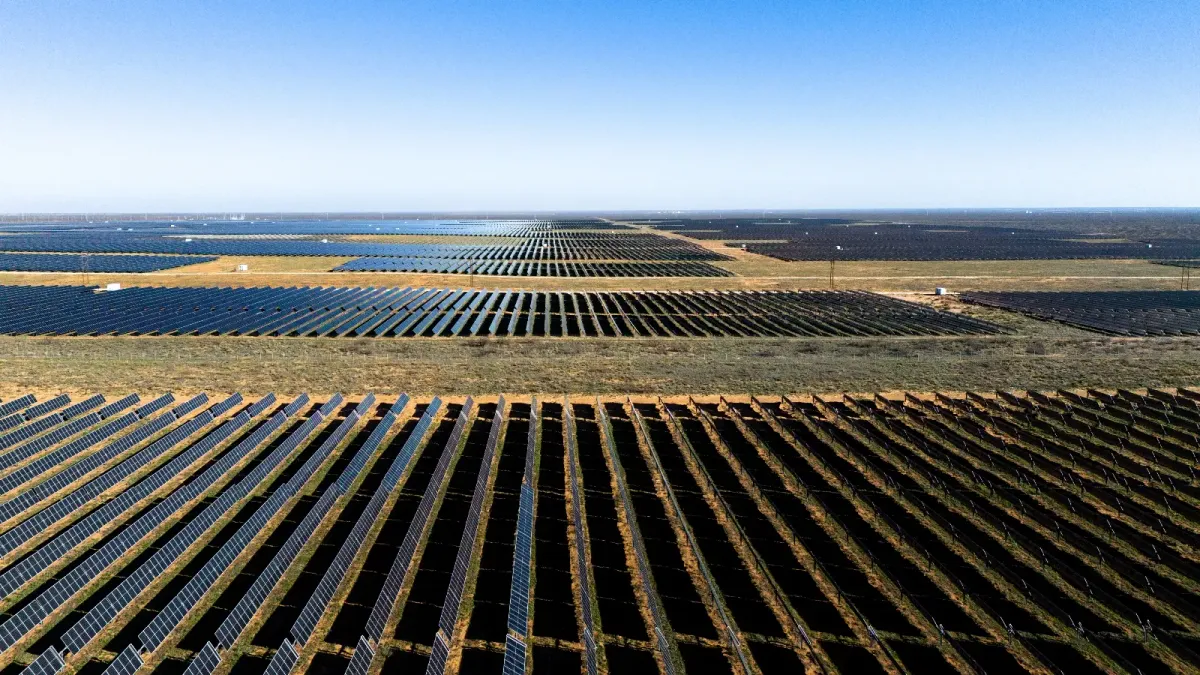
Well, well, well. Looks like Texas, the land of big oil and even bigger hair, is quietly making a major pivot. For the first time ever, the state's power grid — managed by the Electric Reliability Council of Texas (ERCOT) — is set to generate more electricity from solar than from coal.
Let that sink in for a moment. No new coal plants are popping up in Texas. Meanwhile, the Lone Star State is adding more solar power than anywhere else in the U.S. The federal government predicts ERCOT will pull a whopping 78 billion kilowatt-hours from solar in 2026, while coal will chug along at just 60 billion. Apparently, everything isn't bigger in Texas, at least not when it comes to coal's future.

Last year, solar briefly outshone coal from March to August. This year? We're talking March through December. The U.S. Energy Information Administration (EIA) says so, and they usually know a thing or two about these things.
We're a new kind of news feed.
Regular news is designed to drain you. We're a non-profit built to restore you. Every story we publish is scored for impact, progress, and hope.
Start Your News DetoxThe Sun Rises on a New Grid
Nationally, wind and solar combined already surpassed coal generation earlier this year. But Texas, usually marching to its own drum, is actually ahead of the curve on solar adoption. This kind of throws a wrench in the old argument that coal is more reliable because it can, you know, generate power all day. Even with that advantage, Texas coal plants just can't keep up with the sheer annual and monthly output from the rapidly expanding solar fleet.
And the best part? The grid hasn't spontaneously combusted. ERCOT simply uses a clever mix of gas plants, nuclear, wind, and batteries to handle evening demand. Those batteries? They're basically saving up all that glorious Texas sunshine for when the sun decides to clock out.
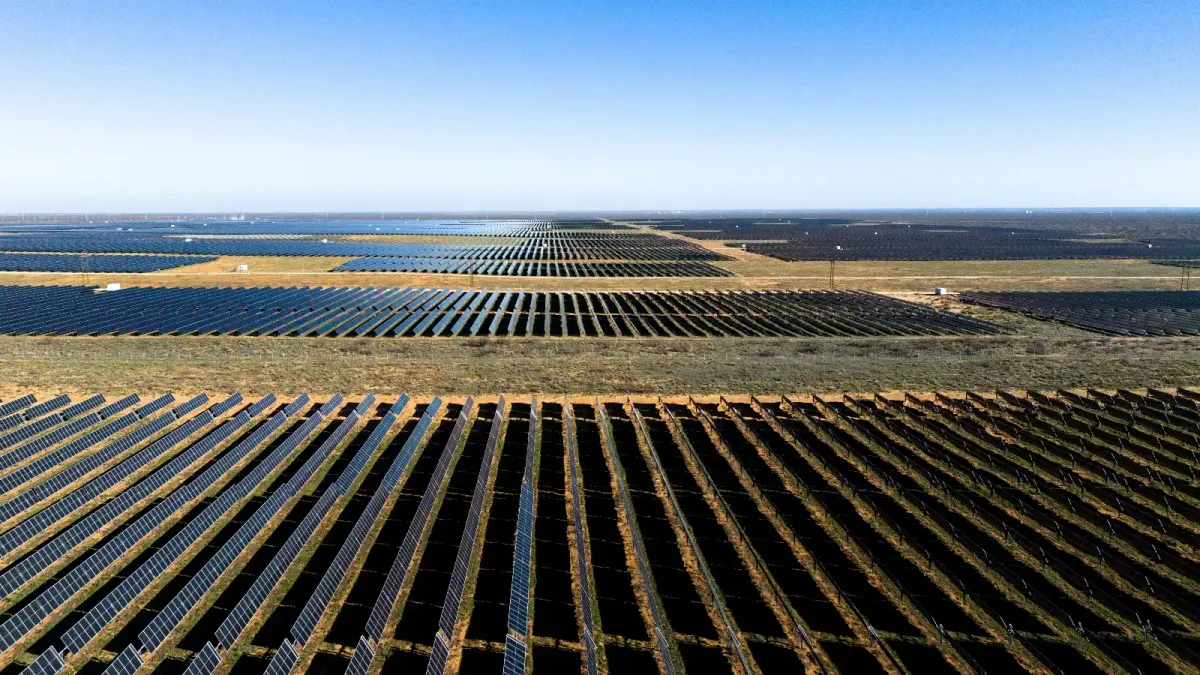
Texas leaders didn't exactly set out to prove anyone wrong, mind you. The state famously keeps its electricity system free from federal regulation. Back in the 90s and early 2000s, Texas reformed its market to encourage free competition over the usual central planning by big utilities. Turns out, a free market, vast open spaces, and relaxed building rules are a perfect cocktail for wind, solar, and batteries to absolutely flourish.
Now, Texas boasts tens of gigawatts of new power capacity. Which helps the state handle those infamous heat waves and keep price spikes from turning into full-blown financial heart attacks. So, while other states are busy setting grand climate goals but dragging their feet on actual solar and battery storage, Texas is just... doing it. Sometimes, not trying to be the greenest actually makes you the greenest.
And it's only getting sunnier. The EIA expects ERCOT to produce 99 billion kilowatt-hours of solar power in 2027. That's a 27% jump from 2026. At that point, solar won't just be ahead of coal; it'll be waving from the finish line while coal is still trying to find its car keys.