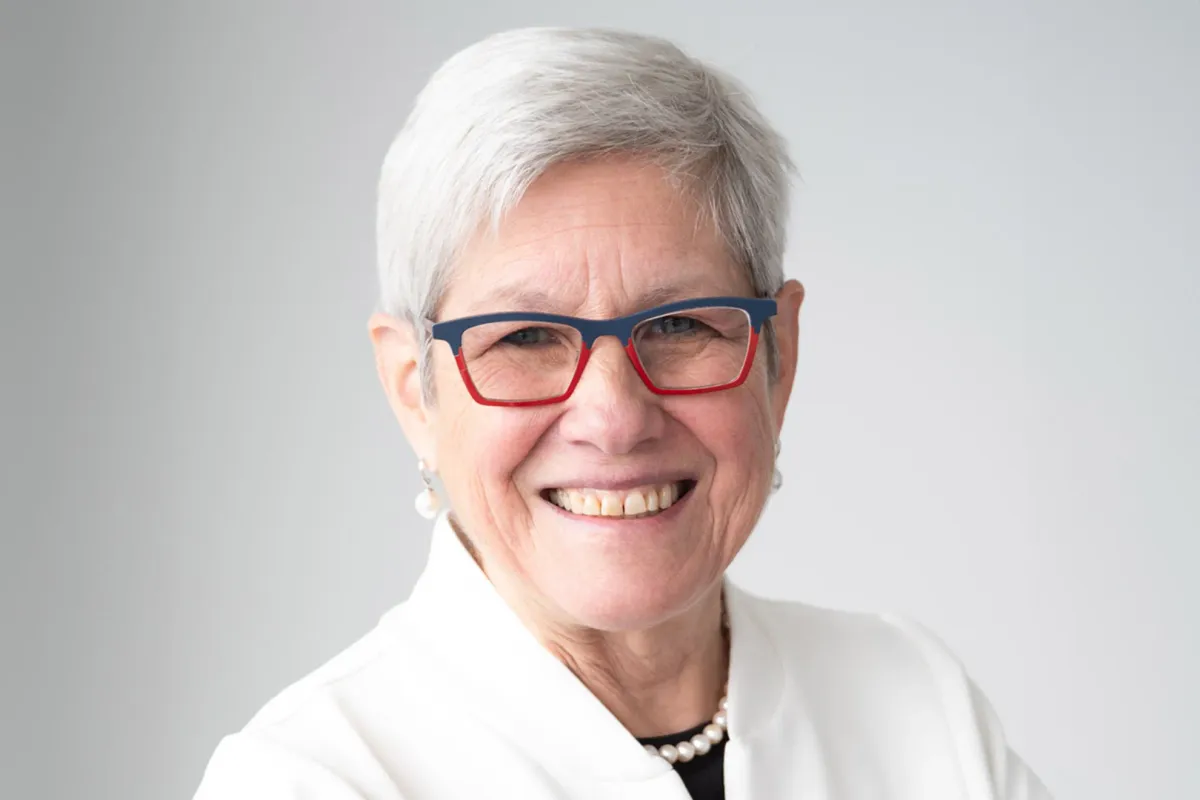
For 18 years, Judith Singer quietly rewired how Harvard hires, promotes, and keeps its best scholars. She's stepping down June 30, leaving behind a set of systems that have become the blueprint for what modern faculty support actually looks like.
Singer is a statistician by training—the kind of person who sees patterns in data others miss. In 2008, when she took the role of senior vice provost for faculty, Harvard's approach to faculty life was fragmented: recruitment varied wildly across schools, retention policies were inconsistent, and the practical support systems (childcare, mortgages, medical leave) barely existed in coordinated form. She spent the next 18 years building the infrastructure that most universities now assume is standard.
Her team created an online hiring portal that replaced a patchwork of separate processes. They standardized how tenure decisions get reviewed across the university. They built comprehensive support for work-life balance—medical leave policies, dependent care resources, mortgage assistance programs—that went beyond what most institutions offered. When the pandemic hit in 2020, Singer's office managed the transition to remote teaching while simultaneously thinking through what faculty would actually need long-term.
We're a new kind of news feed.
Regular news is designed to drain you. We're a non-profit built to restore you. Every story we publish is scored for impact, progress, and hope.
Start Your News DetoxThe quieter part of leadership
What makes Singer's work unusual is that most of it was invisible to the outside world. Faculty members didn't attend her promotion ceremonies. The media didn't cover the new mortgage programs. But the impact was measurable: better recruitment, stronger retention, and a university where scholars felt supported in both their research and their actual lives.
University President Alan Garber called her "one of my most trusted advisers." Steven Hyman, who appointed her in 2008, noted that she "improved processes for faculty hiring, promotion, retention, and even quality of life." This is the kind of praise that gets buried in press releases but actually matters—it's the difference between a system that works and one that just exists.
Singer's own academic work focused on making advanced statistics accessible to researchers who weren't statisticians—multilevel modeling, survival analysis, longitudinal data analysis. She published nearly 100 papers and three books. She was the first woman elected to both the National Academy of Education and as a fellow of the American Statistical Association. But even that impressive record undersells what she actually did: she made institutions work better for the people inside them.
What changes when the architect leaves
Her departure raises a real question about institutional memory. Singer built these systems with intention—they're not just bureaucratic machinery, they're frameworks designed to attract and retain excellence while actually supporting human beings. The next person in her role inherits working systems, which is good. But they also inherit the harder task of maintaining and improving them without the person who understood why each piece was designed the way it was.
The broader trend here is worth noticing: universities are slowly recognizing that faculty support isn't a nice-to-have, it's foundational to everything else. You can't attract the best scholars if you don't support them once they arrive. Singer helped prove that, and helped build the systems to back it up.