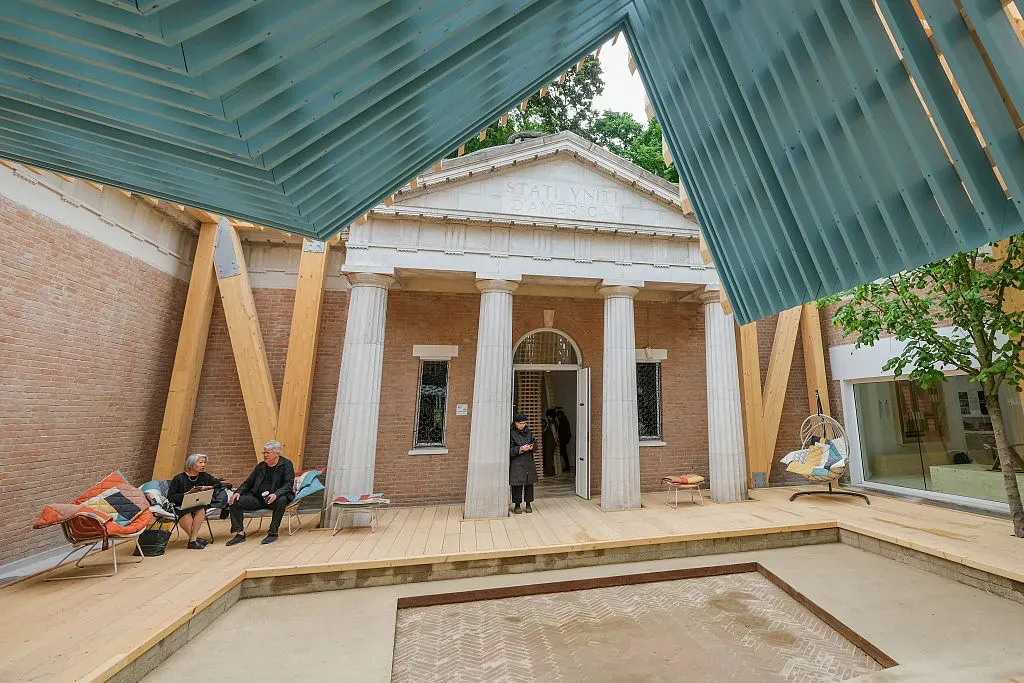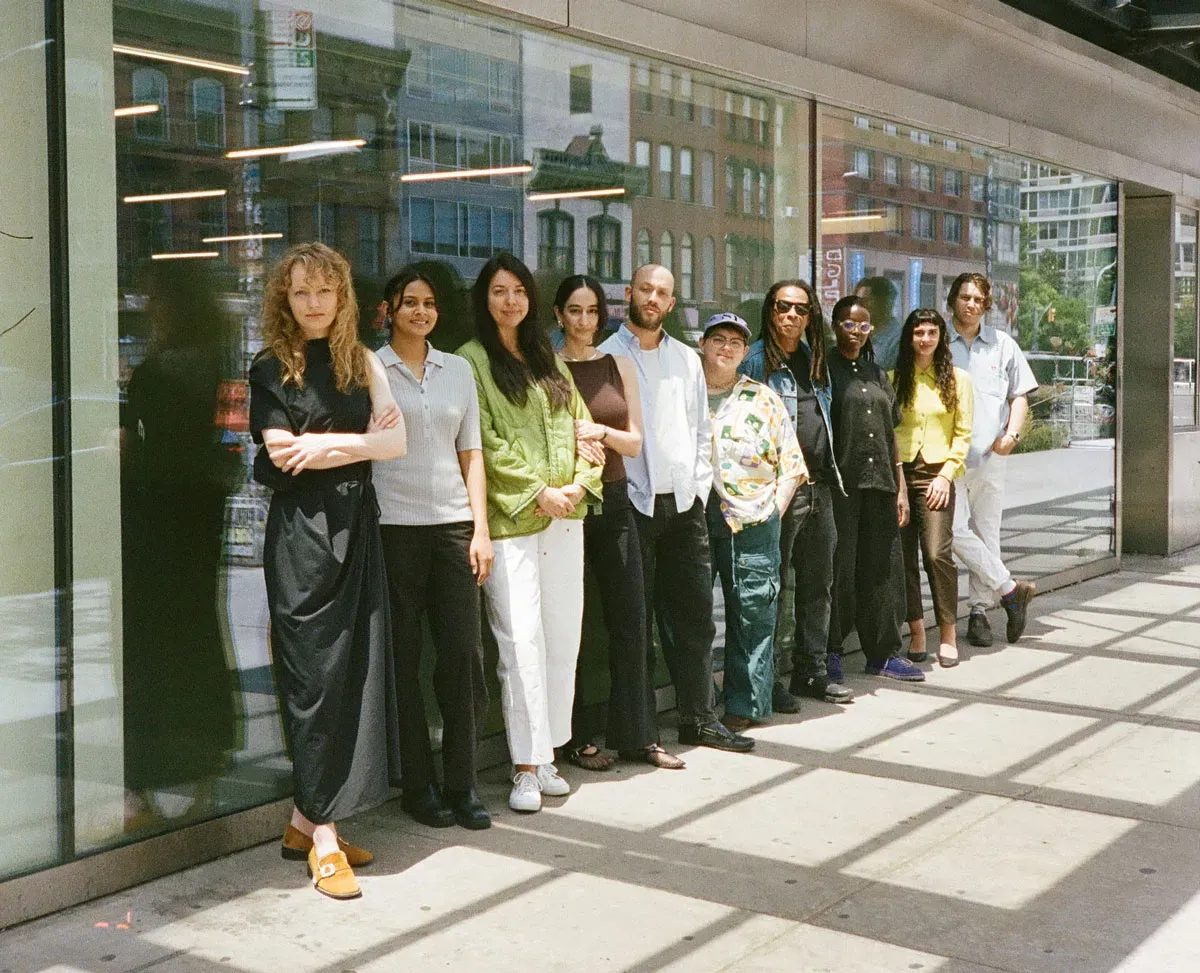
After 40 years of playing musical chairs with downtown real estate, New York’s Swiss Institute is finally putting down permanent roots. Come spring 2027, the art organization will unveil its very own, very permanent, home on the Bowery.
This isn't just any move; it's a grand declaration for an institution celebrating its 40th anniversary. Director Stefanie Hessler calls it a "new chapter," which is art-speak for "we finally found a place to unpack all our boxes." They spent a solid two and a half years hunting for the perfect spot and, presumably, a small fortune to buy the ground floor and lower level of 250 Bowery.
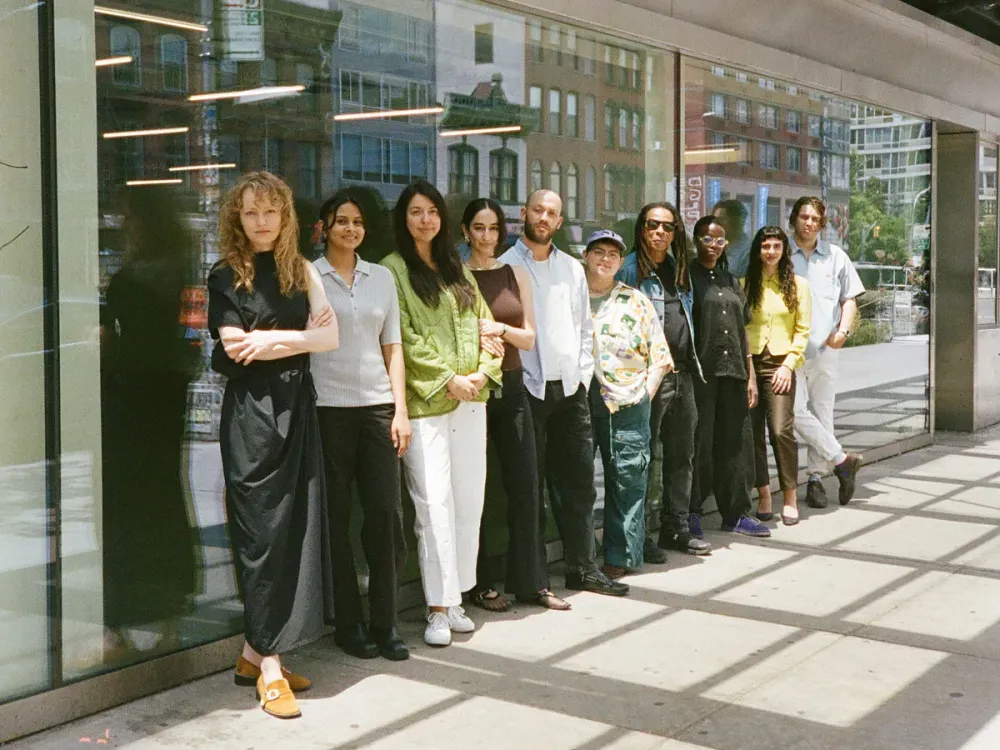
No More Roving
Since its inception in 1986, the Swiss Institute has been a bit of a nomad. From the Upper West Side to SoHo, Tribeca, and most recently, a stint in the East Village since 2018, they’ve seen more neighborhoods than a seasoned New York cabbie. This new, stable address at 250 Bowery — which, fittingly, used to house the International Center of Photography and is practically neighbors with the New Museum — means no more lease negotiations.
We're a new kind of news feed.
Regular news is designed to drain you. We're a non-profit built to restore you. Every story we publish is scored for impact, progress, and hope.
Start Your News DetoxHessler emphasized the need for a space with that quintessential "downtown feel and character." Think: a place where they can continue their mission of showcasing cutting-edge exhibitions and giving emerging artists their first solo shows, all while bringing a healthy dose of international and local perspectives to the city's art scene.
Maja Hoffmann, the board president, pointed out the obvious: a permanent home secures the institute's future "for generations." It’s about creating a lasting space for creativity, international exchange, and — dare we say — community. Because apparently, even art institutions need a place to call their own.
Bigger, Better, Bowery-er
The new digs, renovated by Los Angeles-based architecture firm Johnston Marklee (who also worked on the Whitney Museum’s Independent Study Program, so they know their stuff), will be significantly larger. We're talking an extra 4,000 square feet, bringing the total to a spacious 11,000. More room for art, less room for existential dread about where to put the next sculpture.
Hessler is particularly jazzed about the large windows facing the street. She envisions artists creating "interventions" that act as a "membrane between the exhibition space and the street." Which, if you think about it, is a very fancy way of saying: the art will be so good, it'll spill out onto the sidewalk. And maybe even engage the community, a recent focus for the institute. They even explored a forgotten East Village co-op that installed wind turbines in the 70s for their "Energies" exhibition. Because nothing says art like sustainable living from decades past.
To kick off this grand new era, the institute will launch with "The Environment," a group exhibition that revisits an experimental film project from Bud Wirtschafter. Back when cameras weren't surgically attached to everyone's hands, Wirtschafter gave 16mm cameras to downtown New Yorkers to document their world. The films were then projected onto community buildings, which sounds both charming and deeply analog.
"The Environment" will flip that script. In an age where everyone's a cinematographer, Hessler questions what it means to express what’s important when technology doesn't always make things more democratic. The commissioned artists will work with local communities to explore what makes up our environment, who can access it, and whose voices are actually heard. Because even with a permanent home, some questions never really settle down.