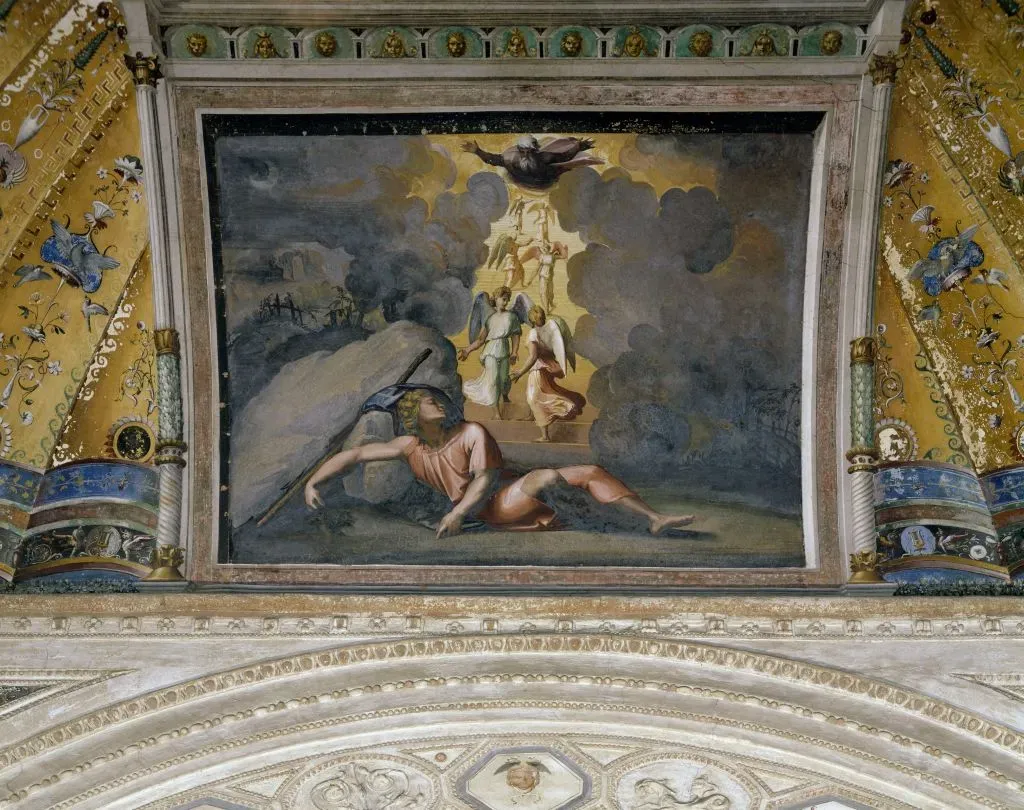
Good news for anyone who appreciates a 500-year-old fresco cycle getting the TLC it deserves: Raphael's famous Loggias are finally undergoing a massive, multi-year restoration. The Vatican Museums just kicked off the project, unleashing a team of over 20 experts on 215 feet of priceless artwork in the Pope's residence. Because even masterpieces need a refresh after half a millennium.
This isn't just a quick dust-off. We're talking a full five-year commitment to fixing centuries of wear and tear, mostly caused by, well, the weather. And, ironically, by some 19th-century windows meant to protect them. Apparently, good intentions and climate control don't always mix.
A Microclimate of Misery
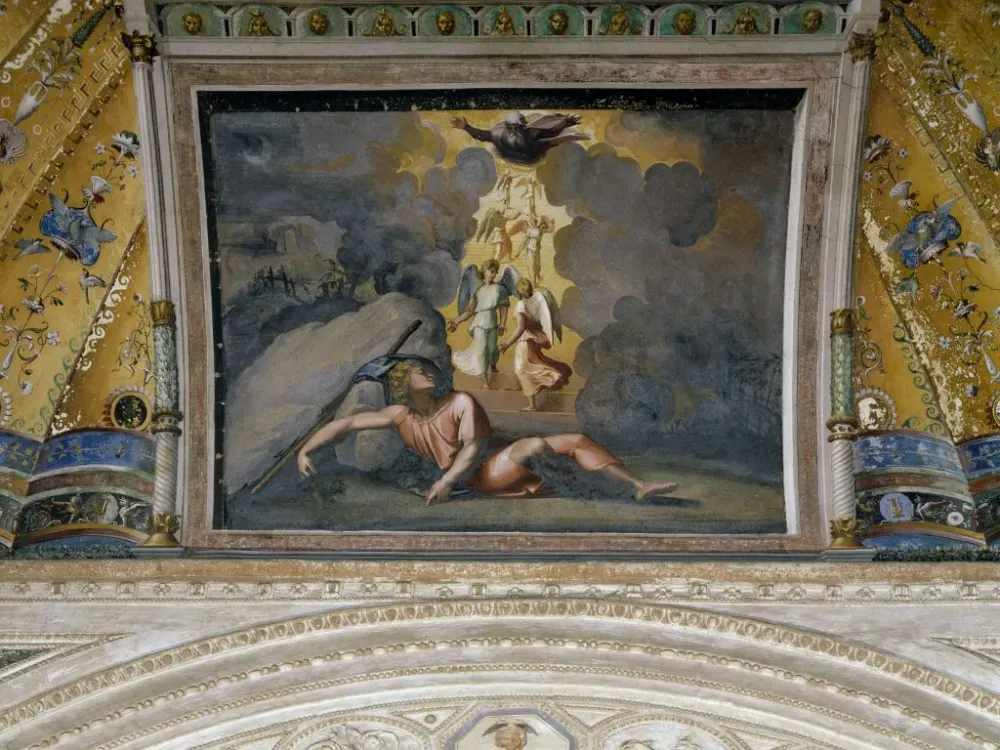
Raphael painted the Loggias between 1517 and 1519 for Pope Leo X. They're on the second floor of the Apostolic Palace, essentially an open-air art gallery depicting scenes from the Old and New Testaments, all wrapped in intricate Roman-inspired decor. For about 400 years, they were simply open to the elements: rain, sun, snow, humidity. Which, if you think about it, is a pretty wild way to display irreplaceable art.
We're a new kind of news feed.
Regular news is designed to drain you. We're a non-profit built to restore you. Every story we publish is scored for impact, progress, and hope.
Start Your News DetoxThen came the 1800s, and with them, glass windows. The idea was sound: keep the weather out. The execution, however, created a microclimate that somehow accelerated the paint's deterioration. It's almost impressive how a solution can become a new problem.
Interestingly, two sections on an angled wall, protected from direct light, still boast their original vibrant colors. A testament to just how much difference a little shade makes. And a clear sign that the rest of the 65-meter stretch needed some serious intervention.
Lasers and Loving Care
The restoration process sounds like something out of a sci-fi film. Angela Cerreta, a deputy head restorer, explained that the team will first stabilize any loose paint (because nobody wants a flaky fresco). Then, they'll clean the frescoes using fiber lasers. Yes, lasers. Because apparently, that's where we are now with art restoration.
After the laser treatment, damaged areas will be meticulously retouched, with techniques that ensure future art historians can tell the originals from the repairs. They're also tackling old adhesives and protective films that have been making the paint peel, which sounds like an art conservator's worst nightmare.
The entire endeavor is supported by a $5.5 million initiative, "Legacy of Raphael: The Vatican and Beyond," backed by a cool $14.3 million donation from the Stephen A. Schwarzman Foundation. So, next time you're at the Vatican, remember: those pristine frescoes didn't just happen. They got a five-year, multi-million-dollar laser facial.