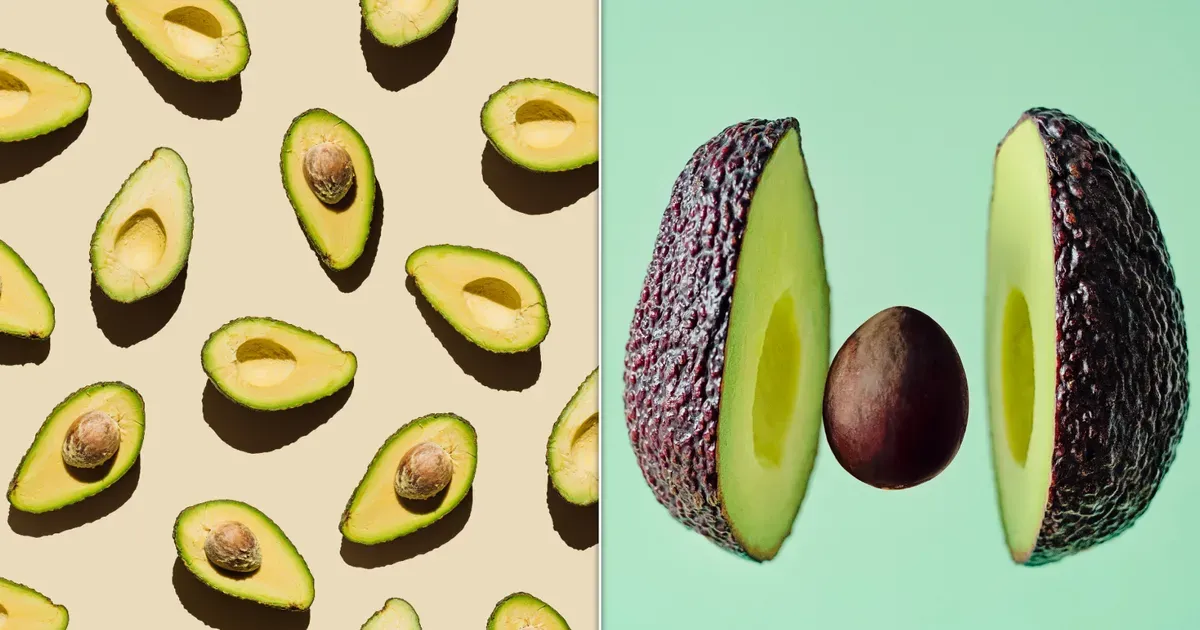
You've probably squeezed an avocado at the grocery store and made a split-second judgment: too hard, too soft, or just right. But that squeeze test is only telling you part of the story. The ripeness of your avocado actually changes what your body can do with it—how easily it digests, which nutrients it absorbs, and even how your blood sugar responds.
As avocados ripen, their chemistry shifts in real ways. Fats become more accessible. Carbohydrates transform. Antioxidant levels rise and fall. These aren't subtle changes. They shape how your digestive system handles the fruit and what your body gets out of it.
The ripeness spectrum
An unripe avocado is firm and hard to eat for a reason. Your body has to work harder to break it down. The starch hasn't converted into forms your system can easily use, the fats are locked away, and the fiber is tough. You might feel bloated or uncomfortable—which is why most people avoid them. There's a small upside: resistant starch can help prevent blood sugar spikes. But the digestive discomfort usually isn't worth it.
We're a new kind of news feed.
Regular news is designed to drain you. We're a non-profit built to restore you. Every story we publish is scored for impact, progress, and hope.
Start Your News DetoxAs an avocado begins to soften—that barely ripe stage—things shift. The starches start breaking down. The fats become accessible. You get easier digestion and that blood sugar benefit, without the heaviness of a fully ripe fruit. It's the sweet spot if you're watching how you feel after eating.
A fully ripe avocado is when your body can absorb the most of what's actually there. The antioxidants—especially phenolic compounds—peak right at perfect ripeness. These compounds support heart health, help balance hormones, and reduce inflammation. Your body absorbs the fat-soluble vitamins more efficiently. This is the stage most nutritionists point to as the real winner.
Once an avocado passes peak ripeness, oxidation takes over. The antioxidants start breaking down. Browning appears. The fats, fiber, and minerals are still there, but those protective compounds are fading. It's not dangerous to eat, but you're losing the nutritional advantage that made the avocado worth eating in the first place.
What actually matters
There's no universal "best" ripeness—it depends on what you need. If you want maximum nutrient density and your body working efficiently, fully ripe is your target. If you're managing blood sugar or want to avoid feeling too full, barely ripe does the job. If you're dealing with digestive sensitivity, you might skip unripe altogether and go for that middle stage.
The real takeaway: that squeeze test matters. It's not just about whether you can slice it cleanly. It's about whether your body can actually use what's inside.