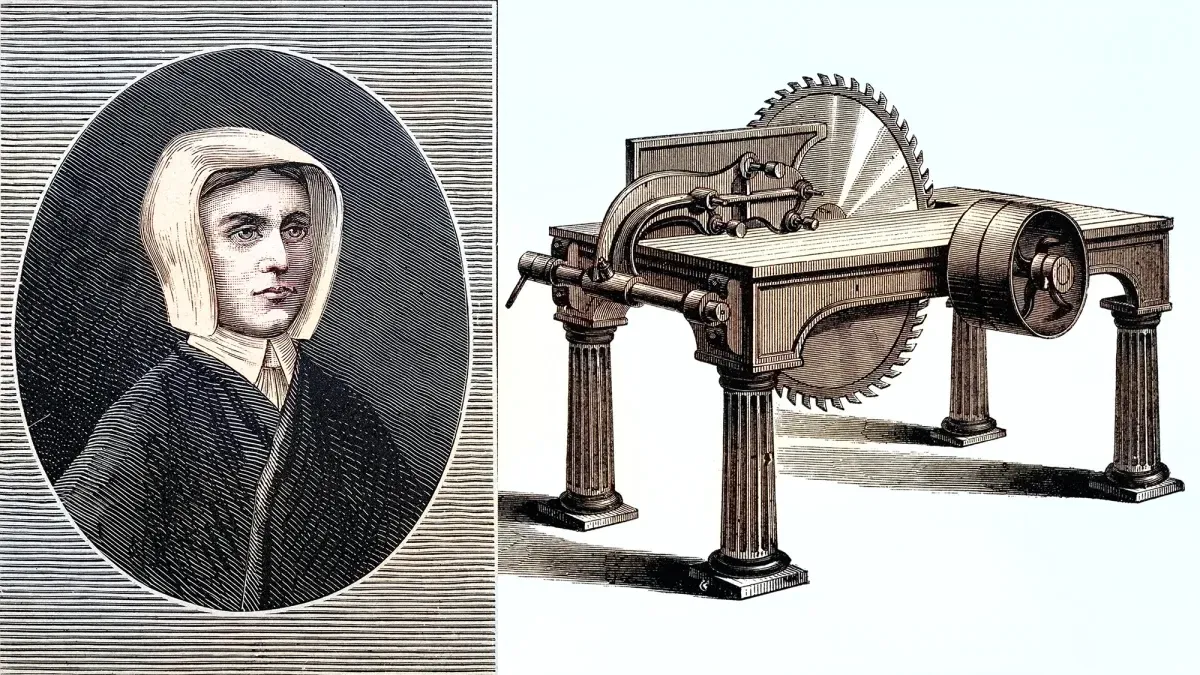
Before power tools, before even the concept of a patent, there was Tabitha Babbitt. A Shaker woman living in 19th-century Massachusetts, she looked at the two-man manual saw — a contraption requiring one poor soul to stand in a pit, endlessly pulling a blade up and down — and thought, there has to be a better way to cut wood. And then she invented it.
Babbitt is credited with developing the circular saw around 1813, a device that would revolutionize logging and, eventually, every home improvement project since. Her story is a testament to ingenuity, communal spirit, and perhaps, the quiet radicalism of a religious sect that gave women equal footing in innovation.
The Shakers: Where Innovation Met Devotion
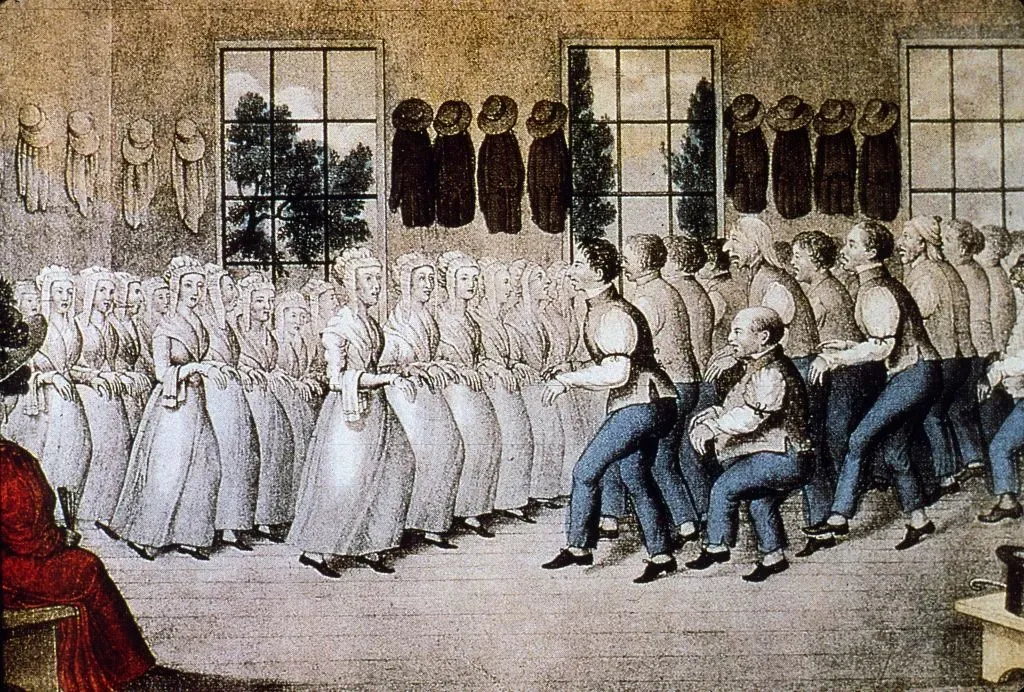
To understand Tabitha, you need to understand the Shakers. These were the United Society of Believers in Christ’s Second Appearing, an offshoot of Quakers known for their ecstatic 'shaking' during worship. They fled England for America in the 18th century, seeking refuge from persecution and establishing isolated, egalitarian communes. Think shared property, shared labor, and strict celibacy — all dedicated to a simple, industrious life.
We're a new kind of news feed.
Regular news is designed to drain you. We're a non-profit built to restore you. Every story we publish is scored for impact, progress, and hope.
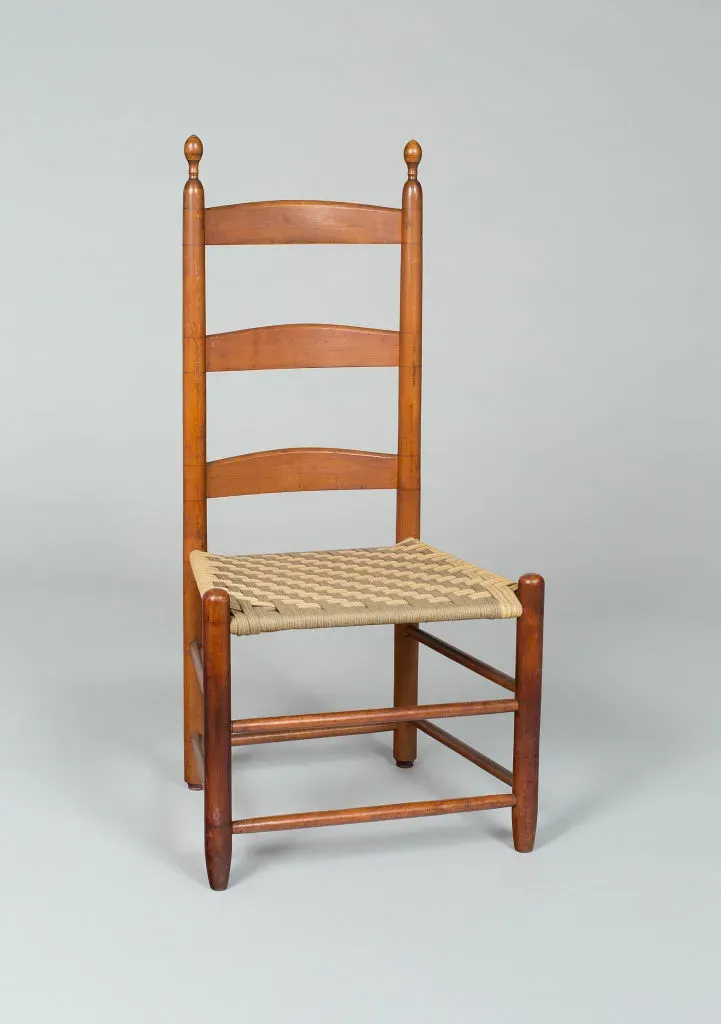
Start Your News DetoxAt their peak in 1840, some 6,000 Shakers lived mostly in the northeastern U.S. And while their numbers were modest, their impact on daily life was anything but. Driven by a quest for perfection and efficiency, Shakers became prolific inventors. They gave us everything from mail-order seed packets (because who doesn't love a good catalog?) to the humble clothespin, agricultural innovations, and furniture designs so timeless they're still coveted today.
In a community where men and women held equal status, it's perhaps no surprise that some of the most significant inventions came from women. Enter Tabitha Babbitt, who joined the Harvard, Massachusetts Shaker community at age 13 and stayed her entire life. She was an experienced spinner, which likely gave her a deep understanding of rotational mechanics.
A Spinning Wheel, a Tin Blade, and a Saw Revolution
Before Babbitt's intervention, cutting logs was a grueling affair. Two men, one above ground and one below, would laboriously pull a long whipsaw up and down. It worked, but it was hardly efficient. Babbitt, ever the problem-solver, saw the wasted motion.
Her solution? She reportedly cut a saw blade from tin, attached it to a spinning wheel spindle, and powered it with a foot pedal. The rotating blade, pushed against wood, required less effort and could be operated by a single person. It was an elegant, simple, and frankly brilliant design.
Shaker Brothers quickly adopted her idea, crafting steel blades based on her prototype. The circular saw spread like wildfire through Shaker communities and beyond. By the 1820s, Shaker lumber mills were humming with these new saws, and by 1839, the largest Shaker community in Mount Lebanon, New York, boasted six of them. Let that satisfying number sink in.
Now, here's the kicker: Babbitt never patented her invention. Shakers believed in communal property and sharing designs freely. This makes tracing their innovations tricky for historians, as individual credit often gets lost in the collective. While a patent for a circular saw was issued in England before Babbitt was even born, and similar devices might have existed elsewhere, Babbitt and her fellow Shakers independently reinvented and popularized a tool that would change the world. It’s a powerful reminder that good ideas, no matter their origin, often find their way to those who can make them useful.
Today, the Shakers themselves are a dwindling community, with just three members in Maine as of 2026. But their legacy of ingenuity, peace, and perfectly designed efficiency lives on — often in the very tools we use to build our own lives. And somewhere, a Shaker accountant is probably still wincing at the thought of all those unfiled patents.