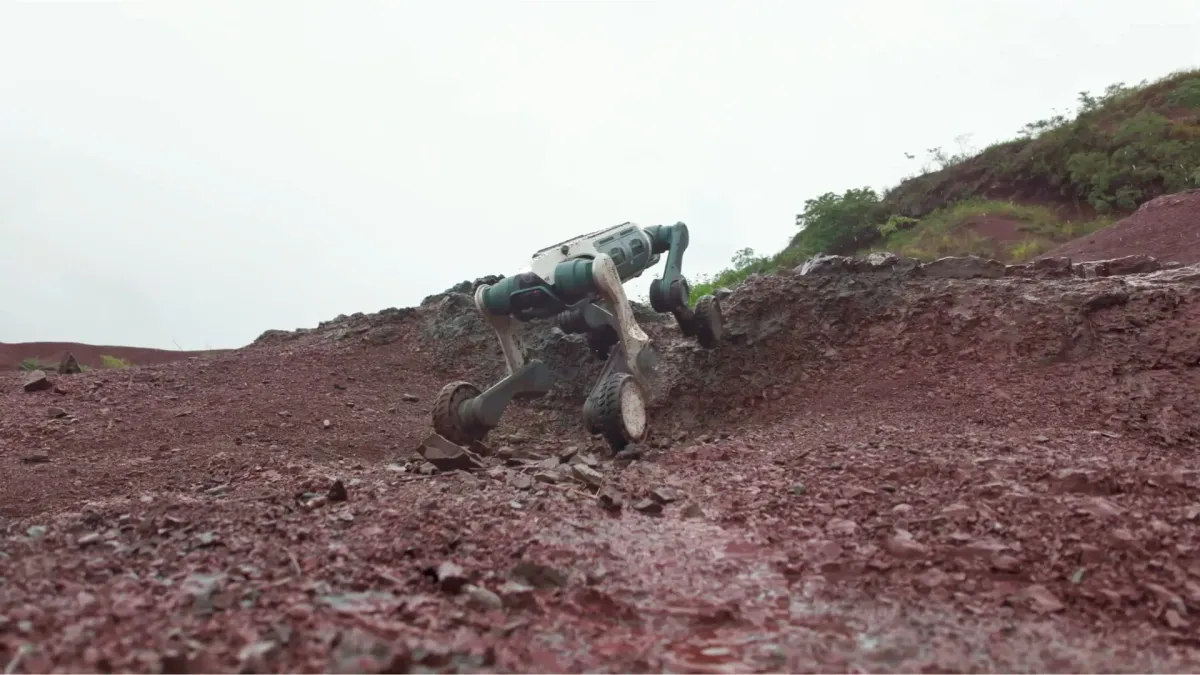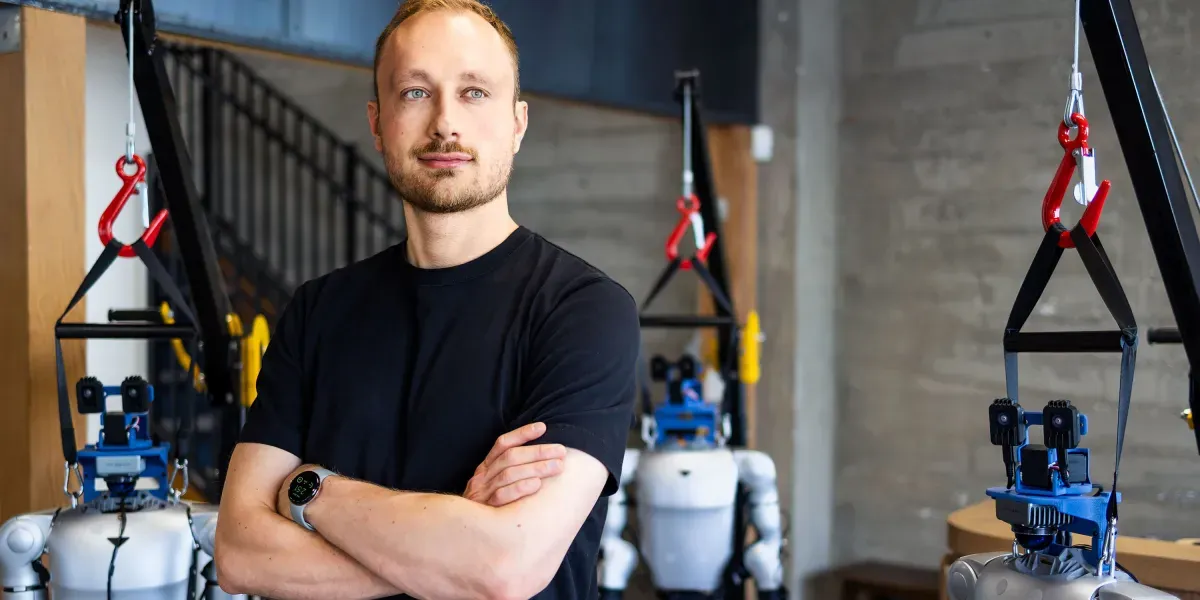
Picture this: a robot, fresh out of the factory, strolls into your living room, assesses the oddly placed ottoman and the precarious tower of books, and doesn't trip over anything. That's the rather ambitious goal of 31-year-old AI entrepreneur Danijar Hafner, who's currently cooking up something big (and still under wraps) in his San Francisco startup, surrounded by an army of imported humanoids. Because apparently, robots need to learn how to roll with the punches, just like the rest of us.
Hafner’s whole thing is getting AI to navigate places it's never seen before. Think about it: every human home is a unique, chaotic snowflake of furniture, floor plans, and forgotten laundry piles. A robot needs to be able to walk in and not immediately short-circuit from sensory overload.
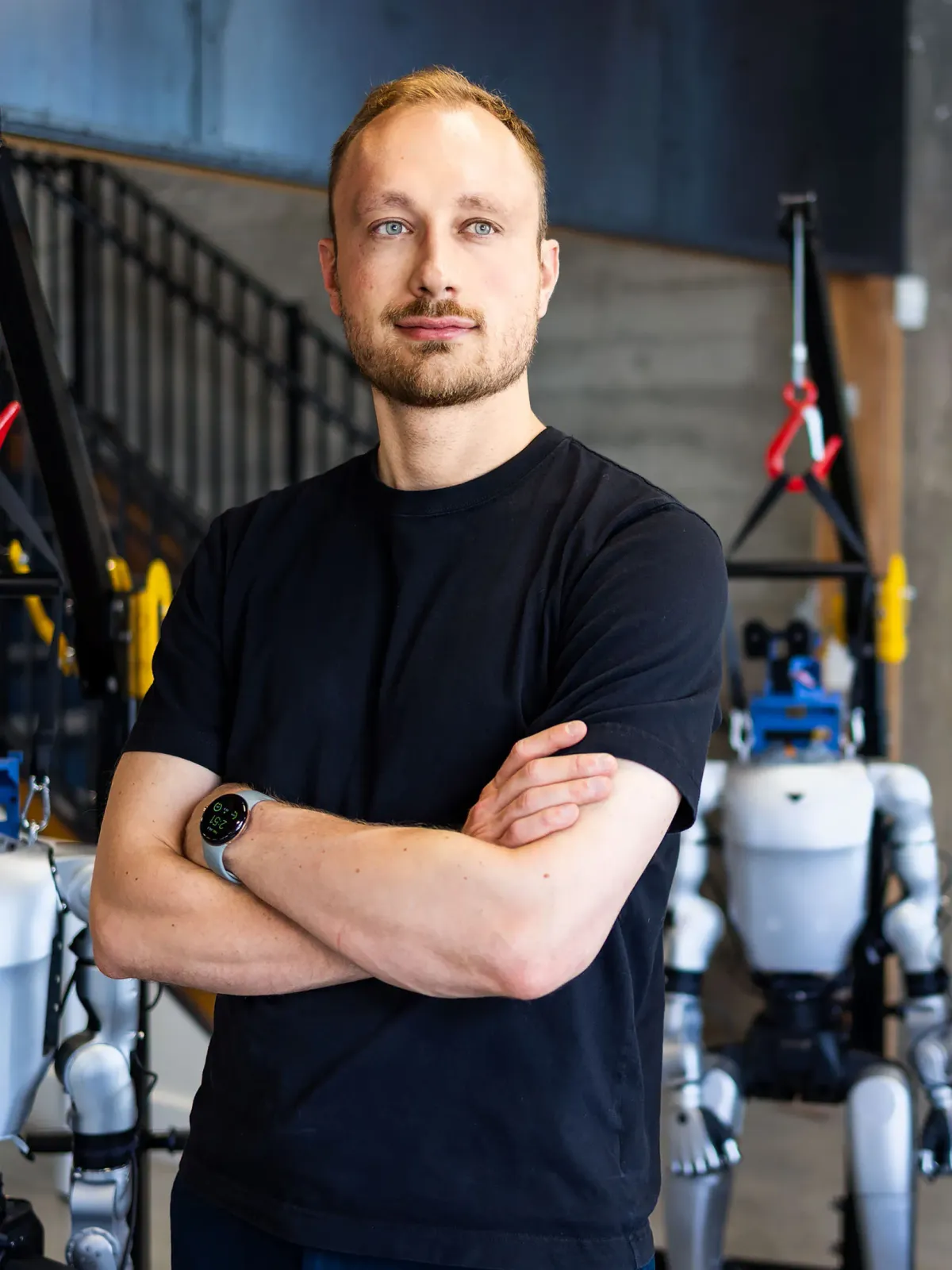
His secret sauce is something called "model-based reinforcement learning." Basically, he builds these incredibly detailed "world models" — AI simulations that perfectly mimic physical reality. His AI agents then train inside these digital worlds, learning to act, react, and predict future outcomes without ever bumping into a real-world coffee table. It's like a robot's version of the Matrix, except the agents are learning to do your dishes instead of kung fu.
We're a new kind of news feed.
Regular news is designed to drain you. We're a non-profit built to restore you. Every story we publish is scored for impact, progress, and hope.
Start Your News DetoxThis approach is so effective that Timothy Lillicrap, Hafner's former manager at Google DeepMind, practically gushed, calling him a top 1% researcher who could build entire complex systems solo, systems that would usually require an actual army of engineers. So, yeah, he's good.
From Pixels to Physicality
Hafner's journey into making robots smarter started, as many great tech stories do, in rural Germany, where he learned to code from a neighbor. He then spent years at Google, rubbing shoulders with AI legends like Geoffrey Hinton, all while refining his methods by letting his AI agents loose in video games.
His first major breakthrough, PlaNet, taught agents to plan actions in advance. Then came Dreamer 2, the first agent to hit human-level performance in Atari games just by using a world model. Dreamer 3 took on Minecraft, independently mining diamonds like a digital prospector. And Dreamer 4? It learned to mine those same diamonds just by watching offline gameplay videos. Let that sink in.
More recently, Hafner has been porting these digital prodigies into the real world. His DayDreamer project uses the Dreamer algorithm to let robots operate in new physical environments, reacting to unexpected events — like being unceremoniously pushed over — without needing specific, pre-programmed training for every single scenario.
Hafner left Google DeepMind in late 2025 (which feels like just yesterday, doesn't it?) to launch his new company. He's hinting that he's working on a problem that could "change the world." Which, given his track record of teaching robots to dream and then navigate actual reality, is both impressive and slightly terrifying. Pass the ottoman, please.