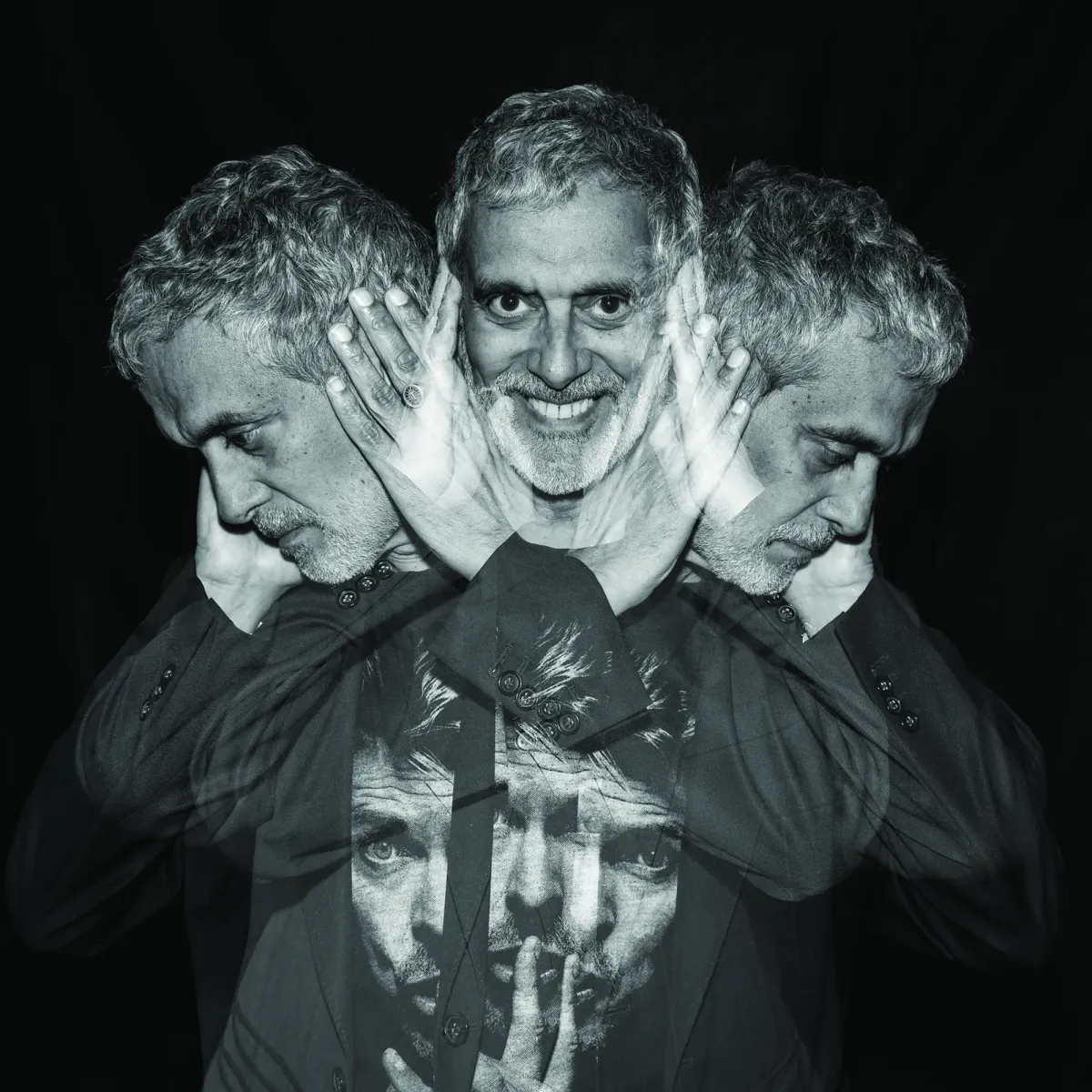
Artist Theo Eshetu has spent over four decades making films that bend your brain a little, exploring how we display moving images. Remember his 1999 Brave New World? A mirror box looping clips. Or The Slave Ship in an oval frame? He’s not one for conventional screens. So, when he unveiled his latest piece for the Venice Biennale, it was never going to be a simple flat-screen affair.
This time, he decided to project a video of an olive tree... onto an actual olive tree. On a rotating platform. Because apparently, that's where we are now. And it’s exactly as wonderfully absurd as it sounds.
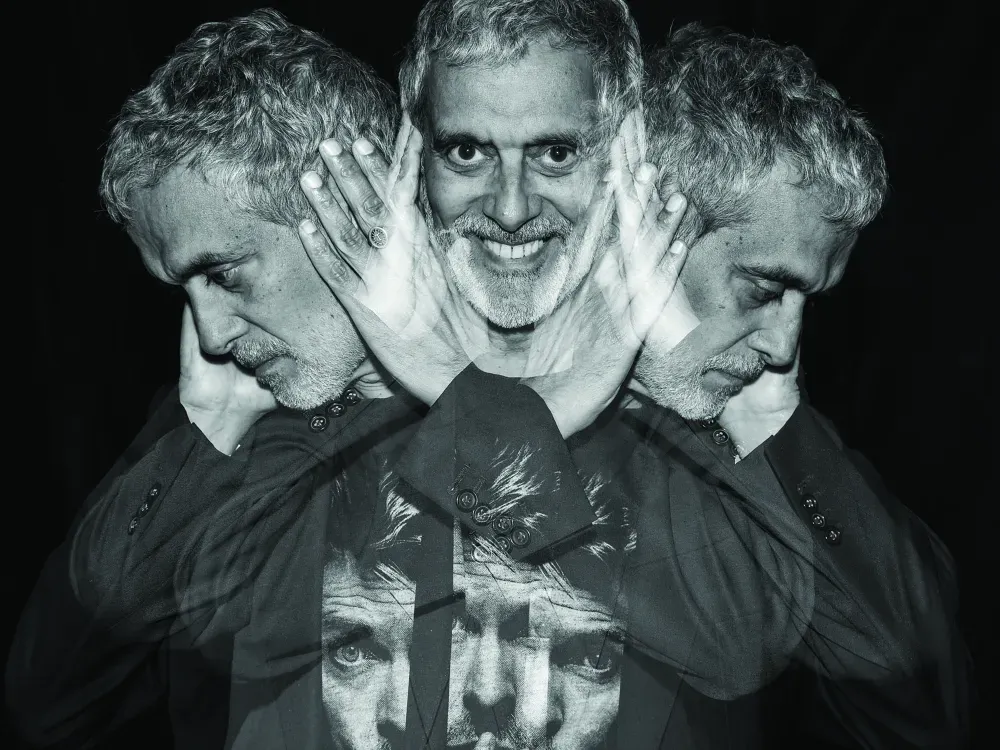
Eshetu, born to Ethiopian and Dutch parents, is all about exploring a “world vision” that reflects the messy, beautiful connections in global narratives. He’s tackled everything from 1980s media culture to the emotional return of Ethiopia’s Axum Obelisk. But this new work, The Garden of the Broken-Hearted (2026), is a different beast entirely. It’s a 4.5-meter-tall olive tree, somehow trucked into Venice, spinning slowly as its own video image washes over its leaves and branches.
We're a new kind of news feed.
Regular news is designed to drain you. We're a non-profit built to restore you. Every story we publish is scored for impact, progress, and hope.
Start Your News DetoxA Garden of Grief and Growth
The project stems from a profound loss. Eshetu was close friends with curator Koyo Kouoh, who passed away. As they prepared for Venice, they talked about gardens – not just pretty green spaces, but places to understand humanity beyond our neat cultural stories. Eshetu envisioned the Garden of Eden as the dawn of human consciousness, a “pre-pagan garden” where we reconnect with nature. Kouoh, it seems, was on board.
They also discussed the unique challenge of making art while mourning the present. So, Eshetu’s garden became a single, formidable olive tree. The logistics of moving a live, massive tree to Venice for an art show? Let's just say it's quite the pivot for an artist who usually deals in video files. He finds the physical demands for a piece about absence rather ironic.
This isn't just about representing the world; it’s about presenting something concrete. Eshetu says his work always chases the “spirit of things,” and this tree is the ultimate expression. The video medium practically disappears, leaving only the tree itself, which would normally just be the subject of a video. It’s like the tree is emanating light, its own moving image. The rotation, he suggests, harks back to basic storytelling forms, but ultimately, it’s about the sheer care required to keep this living artwork alive.
He’s making a film about the tree’s epic journey to Venice, though that won’t be in the exhibition. He sees parallels in moving an object not meant to be moved, how it creates new narratives. Like projecting masks onto faces, or Picasso onto performers. Now, a tree onto itself.
When asked where the tree came from, Eshetu’s reply was wonderfully blunt: “It comes from nature!” He finds questions about origin a bit beside the point, much like people asking if he’s an African artist or an Italian artist, but never mentioning his Dutch or British roots. “The olive tree comes from where olive trees come from,” he notes, with the kind of dry certainty that makes you nod along.
For Eshetu, the olive tree, much like the apple in Eden, is a symbol for difficult times. When our thinking gets clouded, he suggests we return to the garden, learn from plants, find new ways of feeling. He’s aiming to synchronize the video projection perfectly with the turning tree, acknowledging it’s an “impossible mission” to map every single leaf. But he expects failure, imperfection, and believes “something might happen in that mistake.” Which, if you think about it, is a pretty beautiful metaphor for life, art, and trying to project a tree onto itself.