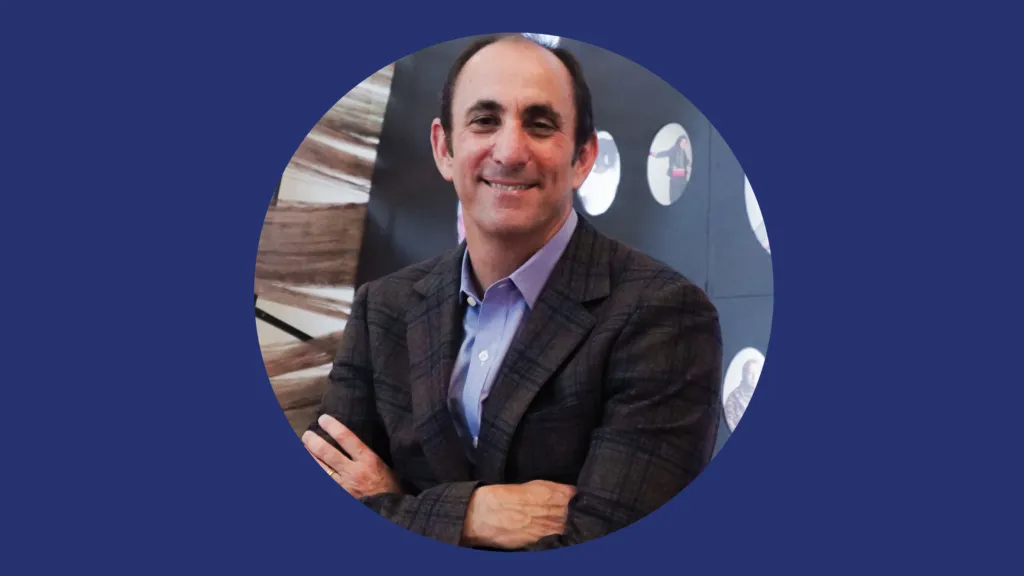
UC Berkeley's Phoebe A. Hearst Museum of Anthropology just tapped a new executive director, Micah Parzen, and he's got a rather specific — and crucial — job description: fixing things.
Parzen, who kicks off his new gig on September 1, spent the last 16 years leading the Museum of Us in San Diego. During his tenure, he did something pretty radical for an institution holding millions of cultural artifacts: he made it all about the us. This included a significant name change in 2020 (from the slightly colonial-sounding San Diego Museum of Man to the more inclusive Museum of Us) and a deep dive into connecting with Indigenous communities. Because apparently that's where we are now: museums acknowledging their pasts.
The Past, Present, and a More Equitable Future
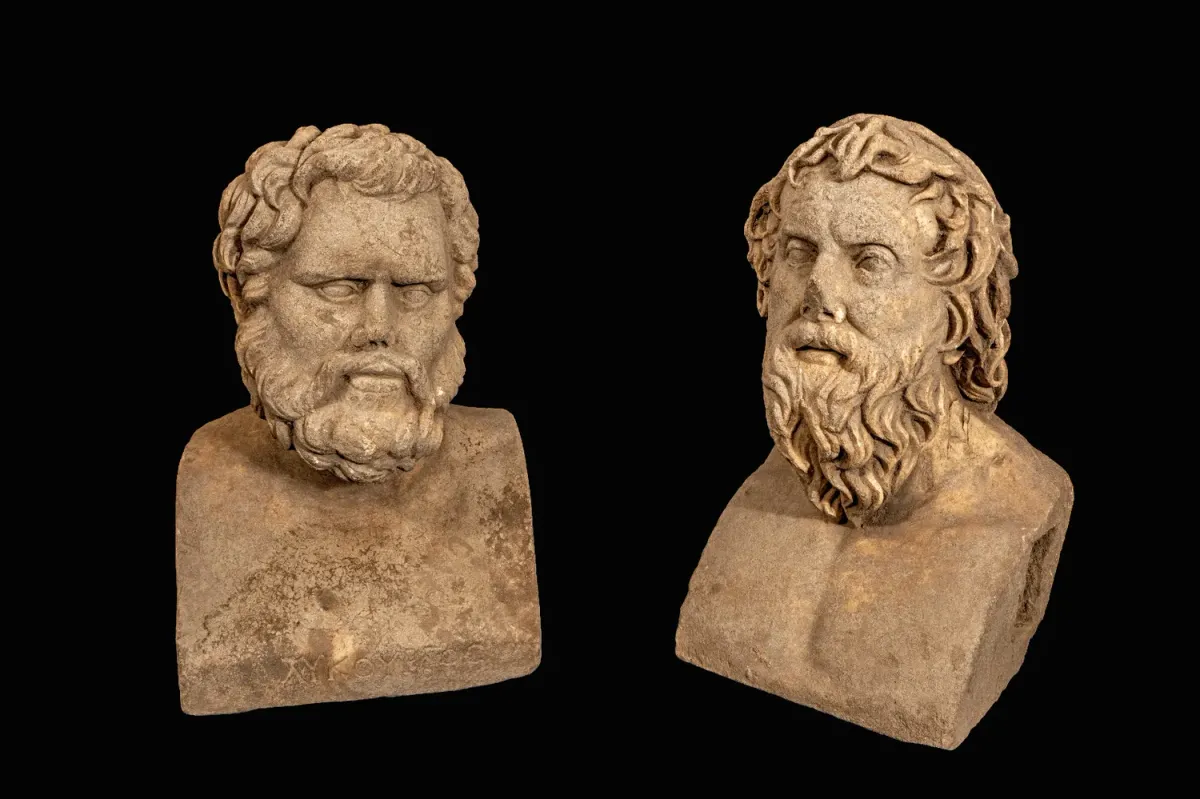
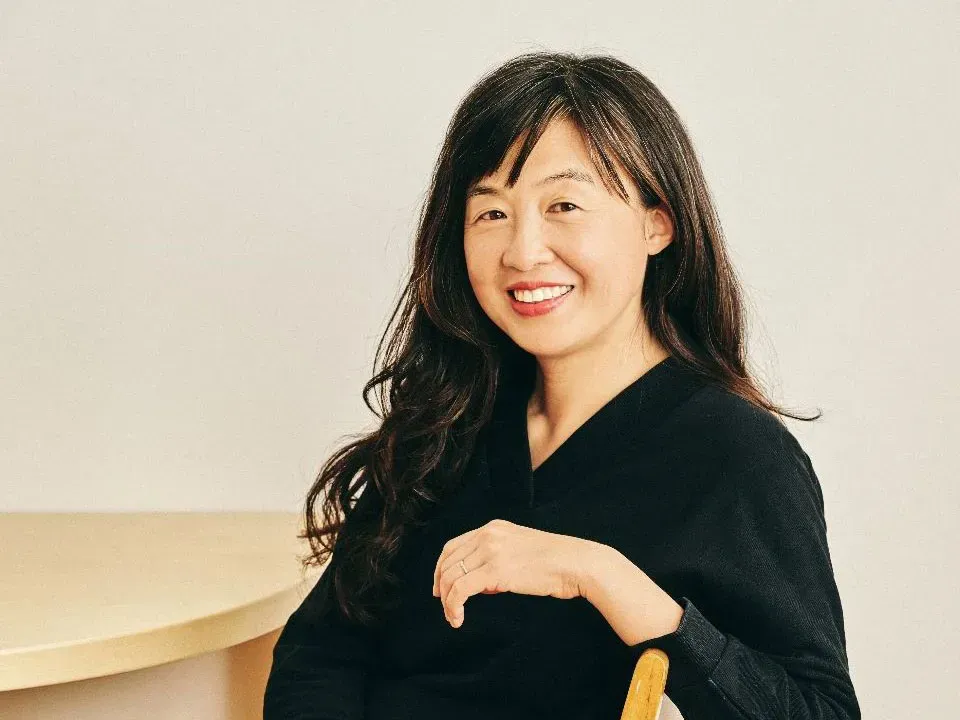
UC Berkeley's Vice Chancellor for Research, Kathy Yelick, is clearly thrilled, citing Parzen's national recognition for helping museums become more community-focused. The Hearst Museum, founded in a very different 1901, houses around 3.8 million cultural items. That's a lot of history, and a lot of potential for what the university calls "relational repair."
We're a new kind of news feed.
Regular news is designed to drain you. We're a non-profit built to restore you. Every story we publish is scored for impact, progress, and hope.
Start Your News DetoxParzen's mission? To help the museum acknowledge its complex past and work toward healing. This means continuing the museum's partnership with the campus repatriation department, which is the slightly bureaucratic way of saying they're giving Indigenous ancestors and their belongings back. He's also planning to create new opportunities for research, teaching, and engaging with all descendant communities, from local groups to global ones.
It’s a bit of a homecoming for Parzen, who earned his anthropology degree from Berkeley back in '91. He says that's where he "fell head over heels in love with anthropology," finding a deep resonance with his personal values. He later snagged a Ph.D. and even a law degree, working in employment law — which he, rather insightfully, saw as a form of ethnography due to its focus on human interaction.
When the top job opened at the San Diego Museum of Man, Parzen, despite having no direct museum experience, took the leap. He surrounded himself with seasoned pros and got to work transforming the place. Their focus: relational repair, trust-building, and accountability with Indigenous communities, prioritizing their input on everything from exhibition content to the return of cultural resources.
That name change to the Museum of Us? It wasn't just a rebrand. Parzen explained it clarified their identity and commitment, always asking: "What does it mean to be a museum that is truly for all of us?" Which, if you think about it, is a pretty good question for any institution holding the world's stuff.
Parzen is bringing that exact ethos to the Hearst Museum, which has been in its own period of transition, with its main gallery closing for repairs and, yes, to prioritize repatriation efforts. (It reopened for limited access last fall.)
Before diving into this multiyear project of healing and developing a shared vision, Parzen, an avid soccer fan and Cal alum, will be attending the World Cup this summer. Because even world-repairers need a little downtime. And probably a good distraction before tackling 3.8 million items and a century of history.