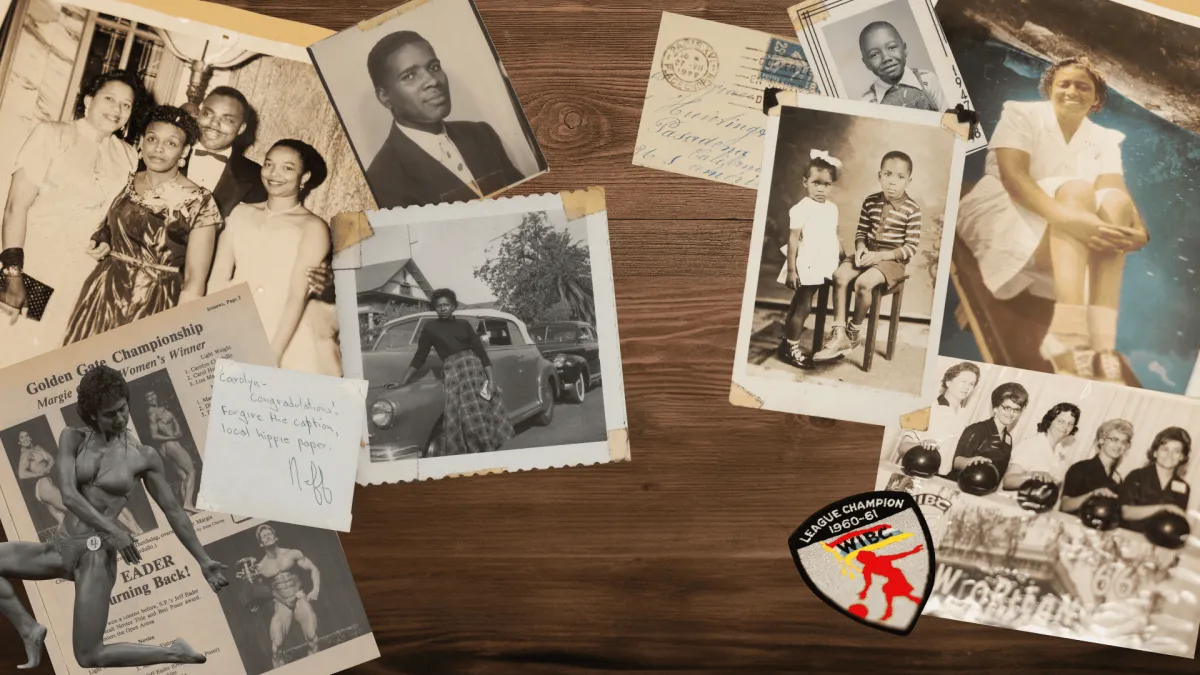
The Schlesinger Library at Harvard's Radcliffe Institute is sitting on a historical goldmine: over 600 scrapbooks. And no, we're not talking about dusty photo albums your aunt forced on you. These are vibrant, messy, deeply personal time capsules offering a peek into everyday lives that official records simply forgot.
Victor Betts, a curator there, puts it best: there's no single way to make a scrapbook. That glorious lack of rules is precisely what makes them so powerful. Especially for women's history, which, let's be honest, rarely made it into the 'important' ledgers of yesteryear. Curator Jenny Gotwals confirms the collection is a magnet for students and scholars, all digging for those untold stories.
Take the course Betts co-taught on Asian American Women's History. Students dove headfirst into these primary sources, unearthing marginalized histories that official narratives often skipped. The accompanying exhibition, "Illuminate," showcased everything from scrapbooks to autograph books, bringing forgotten lives into sharp focus.
We're a new kind of news feed.
Regular news is designed to drain you. We're a non-profit built to restore you. Every story we publish is scored for impact, progress, and hope.
Start Your News DetoxOne standout? An autograph book from Crystal City, Texas, a WWII internment camp. Filled with sketches, signatures, and messages in English, Japanese, and Spanish, it revealed a lesser-known, darker truth: Japanese Latin Americans were also rounded up and sent there by their own governments, collaborating with the U.S. Because apparently that's where we were then.
Scrapbooks have been around since the mid-19th century, evolving from family Bibles and notebooks. The Schlesinger Library wisely distinguishes between a photo album (just photos) and a scrapbook (a glorious free-for-all of stuff). When acquiring new ones, Gotwals and her team hunt for the small, telling details: names, dates, restaurant menus. These aren't just random bits; they're puzzle pieces building a life.
Sometimes, what's missing is the loudest part. Maggie Neyland Chatman's scrapbook, for instance, meticulously documents her African American family's social calendar from 1940-1965: cotillions, debutante balls, weddings. Yet, a newspaper clipping on the back of a photo of her daughter blares, "Is Malcolm X The Real Leader Of The Black Muslims?" Chatman's scrapbook itself shows no interest in the Civil Rights Movement or the Nation of Islam. The historical context, however, is undeniably present, lurking just out of frame.
Digitizing the Delayers
Making these layered histories accessible is a whole other beast. Archivist Jess Purkis calls scrapbooks "notoriously difficult" to digitize. Think brittle paper, disintegrating newsprint, and actual envelopes with actual letters still tucked inside. Plus, bows covering items or multiple heavy greeting cards. It's an obstacle course for a scanner.
For one 125-page scrapbook, Purkis requested 404 images to capture every single detail. Because when you're dealing with history, every doodle, every pressed flower, every scrawled note is a whisper from the past. It's those small, unexpected details that reveal the true personality, the version of themselves someone didn't intend to present. Official records tell you what someone did; scrapbooks, diaries, and love letters tell you who they were. And that, if you think about it, is a far more interesting story.