Venezuela's government has signed into law an amnesty bill that could free politicians, activists, lawyers, and journalists detained for political reasons — a significant shift for a country that has denied holding political prisoners for decades.
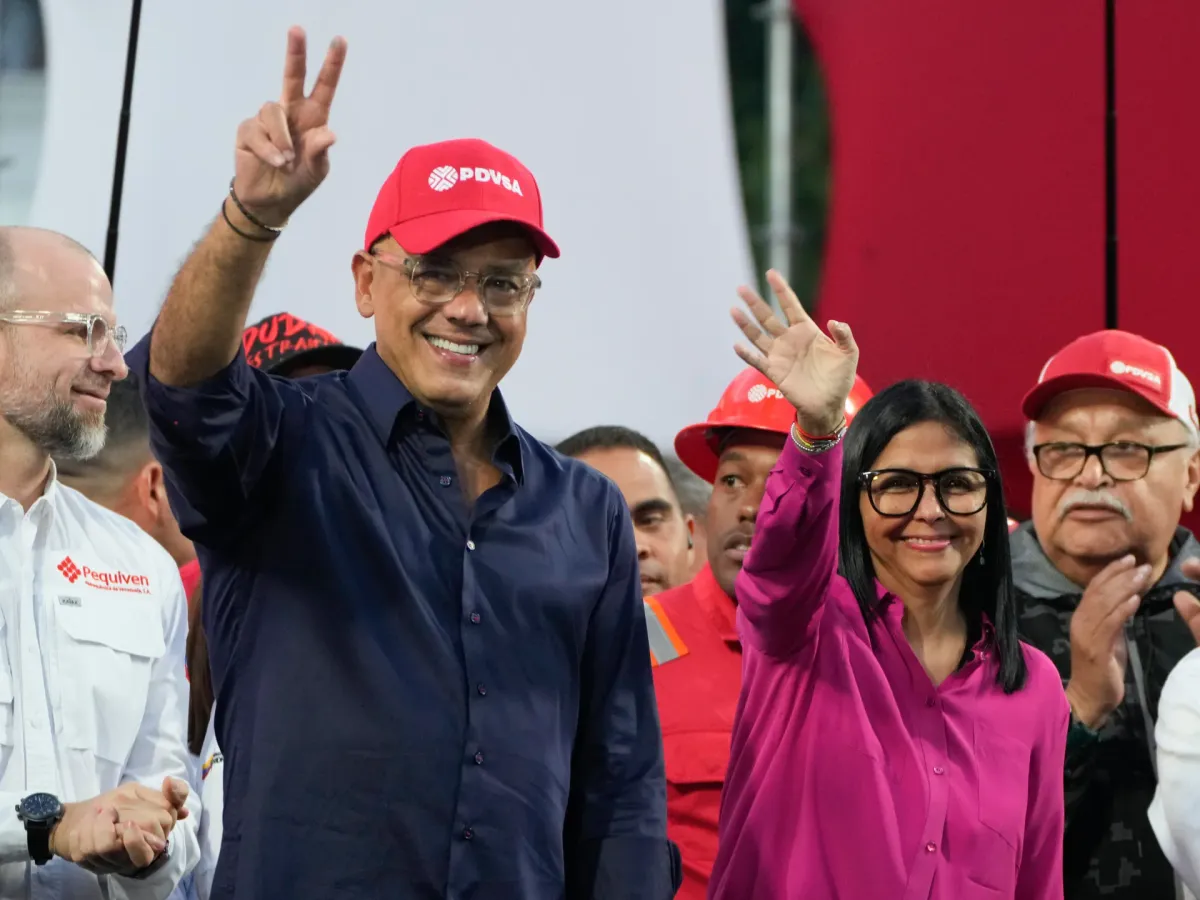
Acting President Delcy Rodríguez signed the measure on Thursday, hours after lawmakers approved it. The move represents a striking reversal: the government is now formally acknowledging what human rights groups have documented for years — that it has imprisoned hundreds of people for their opposition views and activism.
"We are letting go of a little intolerance and opening new avenues for politics in Venezuela," Rodríguez said during the signing. The bill covers crimes and offenses tied to politically-driven conflicts dating back to 1999, including violence linked to the 2024 presidential election, which sparked mass protests and the arrest of more than 2,000 people.
We're a new kind of news feed.
Regular news is designed to drain you. We're a non-profit built to restore you. Every story we publish is scored for impact, progress, and hope.
Start Your News DetoxThe timing matters. This amnesty follows last month's U.S. military raid in Caracas and reflects a broader shift in Venezuelan policy under pressure from the Trump administration. It's the latest in a series of rapid policy changes the government has enacted in recent weeks.
What happens next
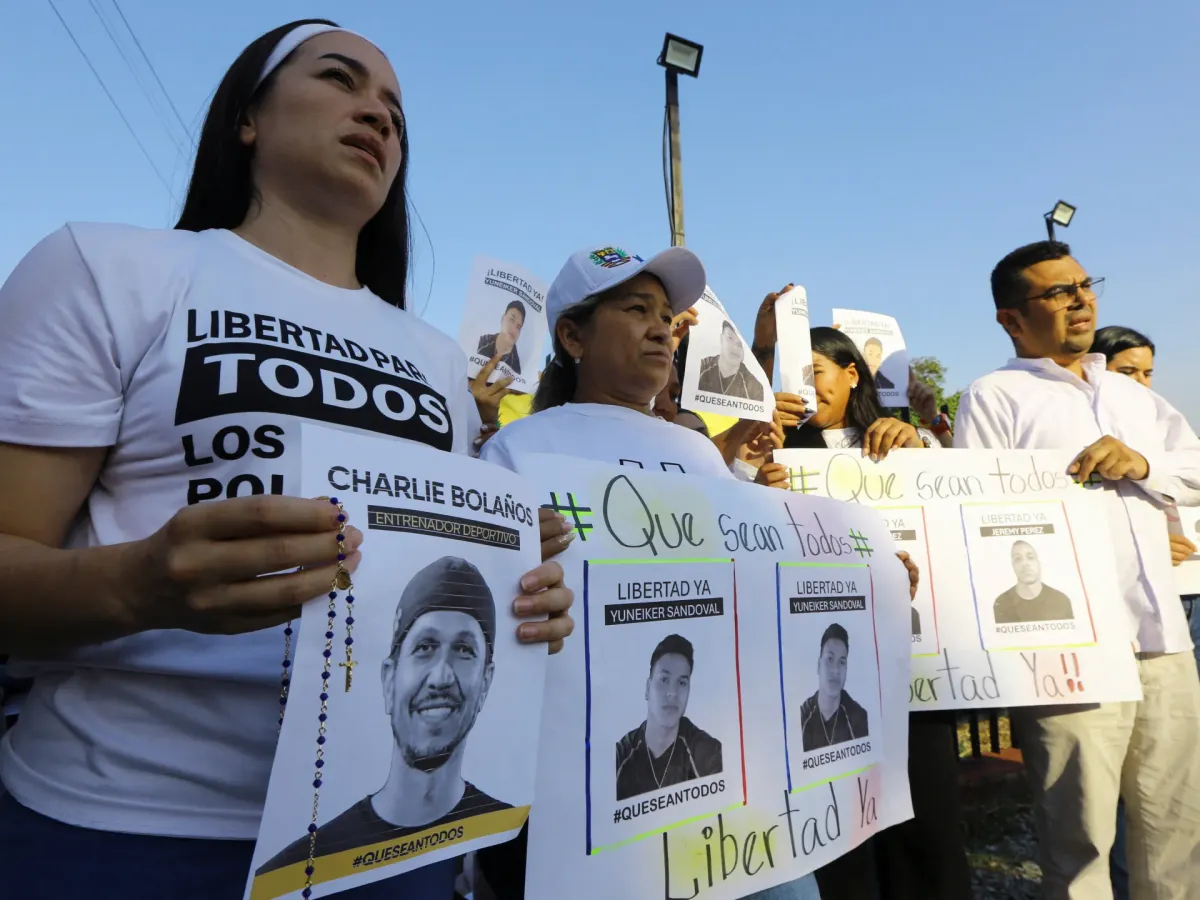
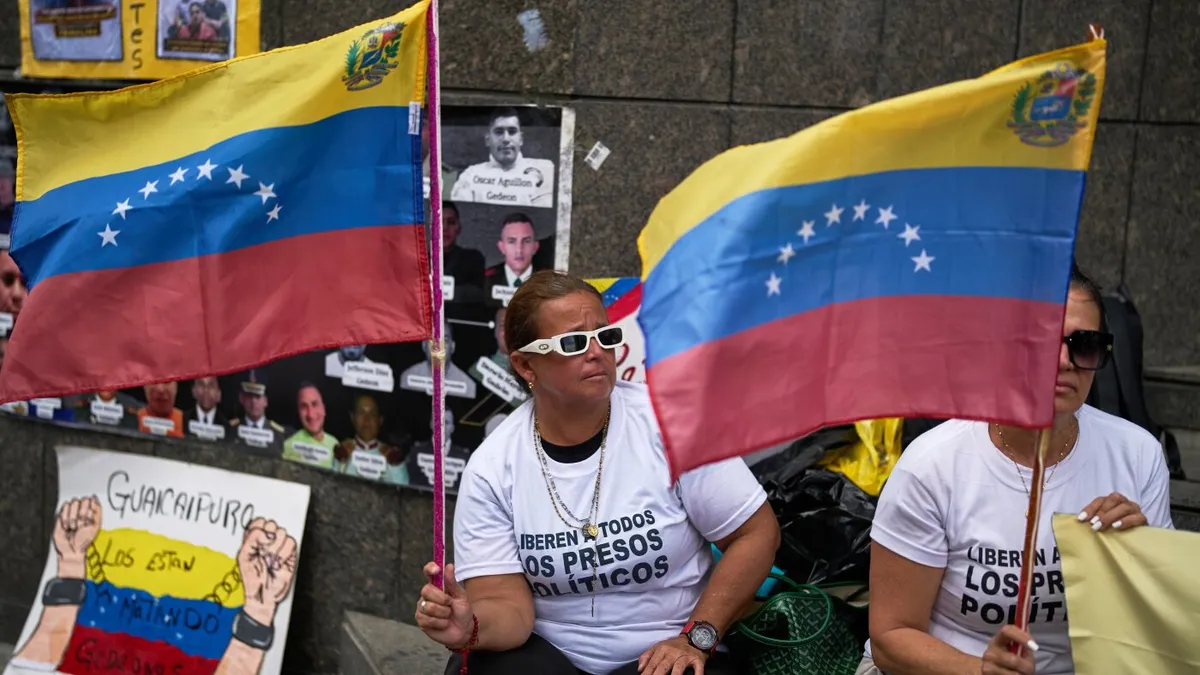
Venezuela-based prisoners' rights group Foro Penal estimates more than 600 people are currently detained for political reasons. The government promised significant releases after Maduro's capture, but the pace has been slow, leaving families camped outside detention facilities — some have begun hunger strikes.
One key compromise emerged during the legislative debate: people who fled the country to avoid arrest can now have a lawyer request amnesty on their behalf, rather than having to return to Venezuela in person. This addresses a major concern for the diaspora.
Opposition lawmakers and human rights organizations have welcomed the bill with cautious optimism. "It's not perfect, but it's a great step forward," said opposition lawmaker Nora Bracho. "It will alleviate the suffering of many Venezuelans." The questions now are whether the government will implement it swiftly and whether the amnesty's scope will be interpreted broadly enough to cover all those detained for political activity.
The real test won't be the law itself — it's what happens in the weeks ahead as families wait to see whether their loved ones actually walk free.