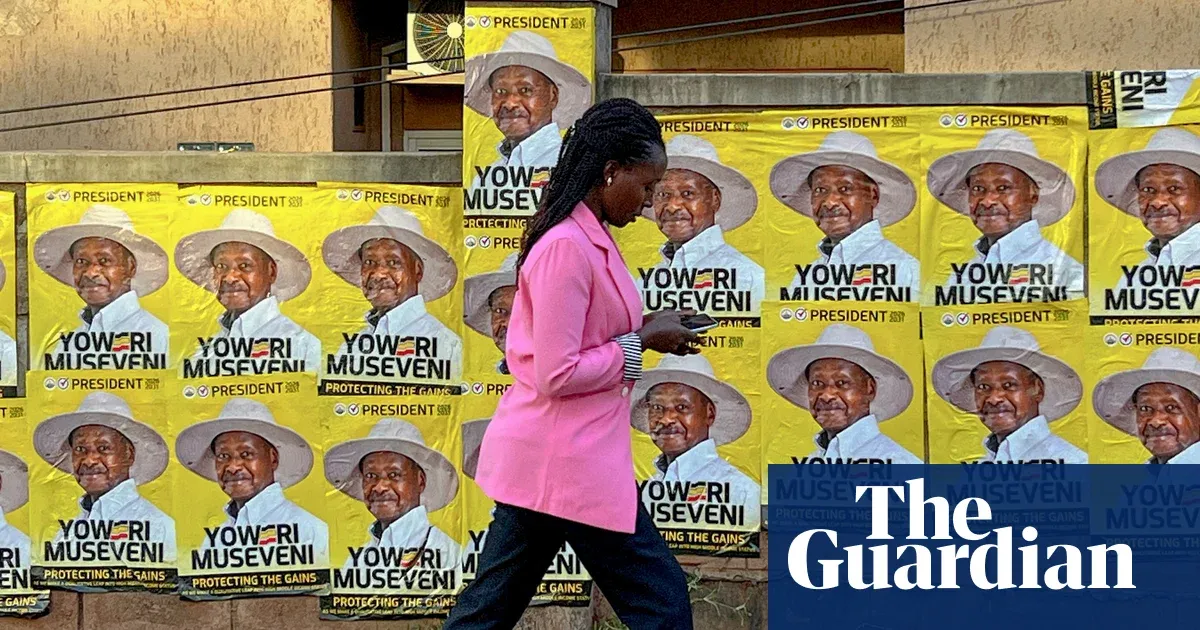
Uganda just held an election, and for the 78% of the population under 35, the outcome felt predetermined. President Yoweri Museveni, 81, won his seventh term in January 2026 with 70% of the vote—a result that sparked not celebration but a kind of resigned quiet across the country.
For many young Ugandans, the election wasn't really about whether change was possible. It was about whether they could still believe in the process at all.
Sarah Namubiru, 21, a university student training to teach, didn't vote for Museveni. She couldn't see a future in teaching on the salaries the profession offers. "The results were not a reflection of what we want," she says. "I am wondering where I will get a job with thousands of teachers superior than me being idle. I do not know anyone in the government and we all know you need to know someone to get a job."
We're a new kind of news feed.
Regular news is designed to drain you. We're a non-profit built to restore you. Every story we publish is scored for impact, progress, and hope.
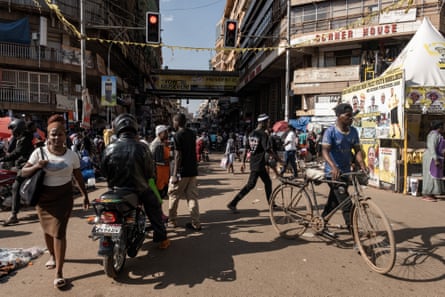
Start Your News DetoxThat frustration isn't unique to her. In 2021, Uganda's national planning authority found that 87% of recent graduates couldn't find employment—most ended up doing odd jobs like riding motorcycle taxis. For a country where three-quarters of the population is under 35, that's not a minor statistic. It's the shape of an entire generation's future.
Museveni has led Uganda since 1986—40 years under one leader. His supporters see stability in that continuity. His critics see a system designed to prevent anyone else from ever winning. Opposition leader Robert Kyagulanyi, known as Bobi Wine, won 25% of the vote but went into hiding after a police raid on his home. An internet shutdown in the two days before the election added another layer of doubt to the result.
Norman Turyatemba, 32, a leader in the opposition Forum for Democratic Change, watched the result come in and felt the weight of how the system is stacked. "Museveni has set up a system in his own favour," he says. What concerns him most isn't just the current president—it's who comes next. Museveni is grooming his son, General Muhoozi Kainerugaba, the commander of the army, to eventually take over. "Imagine a system where leaders hold positions for over 40 years," Turyatemba says. "Is there any room for the next generation?"
The cycle of disappointment has worn people down. John Katumba, the youngest presidential candidate in 2021, has watched young Ugandans lose faith in voting itself. "You vote but your leader is never declared," he says. "That frustration has and will push many into silence." He remembers teargas and arrests during previous election cycles—experiences that left scars among politically active youth. "We have learned how to survive disappointment," he says. "That idea that the ballot alone will save us has been beaten out of people."
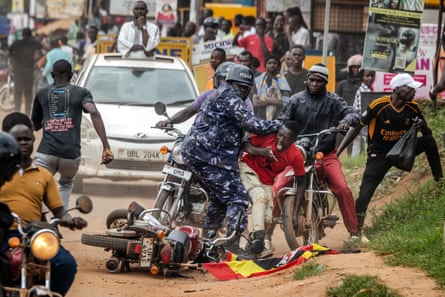
The country isn't uniform in its response. Grace Talindeka, 26, supports Museveni. She runs a business and values the predictability his government offers, even if it's imperfect. "Some of us don't want chaos like we have seen in other countries," she says. But Ahmed Ssentongo, 25, an engineering graduate who supports Bobi Wine, has been arrested multiple times just for wearing red—the opposition party colours. "We need change, not just as young people but as a country," he says. "Everything is expensive. I want to see a future for my child brighter than what I am going through now."
What's emerging isn't a unified youth movement demanding immediate transformation. It's a generation caught between exhaustion and the knowledge that something has to give. They've learned to survive disappointment. The question now is whether that survival instinct becomes resignation—or fuel for whatever comes next.