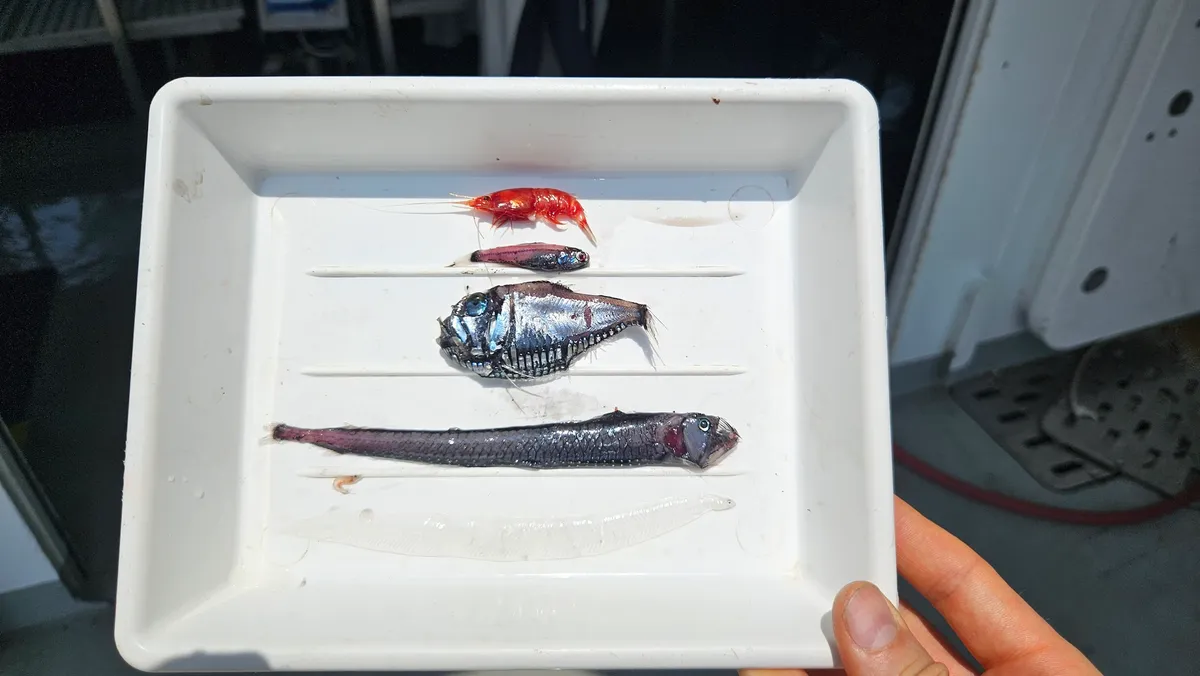
Sometimes, geopolitical conflict, in a twist of fate, hands you a do-over. That's precisely what happened to Sri Lanka's marine research efforts, thanks to some unexpected turbulence in West Asia.
The Norwegian research vessel Fridtjof Nansen — basically a floating science lab flying a UN flag — had its survey planned for Oman abruptly canceled due to security concerns. So, like a very well-equipped boomerang, it spun right back to Sri Lankan waters. Which, if you think about it, is a pretty wild way to get a second chance at studying your own backyard.

See, the Nansen was supposed to be mapping Sri Lanka's marine ecosystems and fishery resources last year. But, as often happens, bureaucratic delays meant the whole thing got scuttled. The 2025 visit was also off the table. It looked like a missed opportunity to gather crucial data.
We're a new kind of news feed.
Regular news is designed to drain you. We're a non-profit built to restore you. Every story we publish is scored for impact, progress, and hope.
Start Your News DetoxThen, the universe (and international incidents) intervened.
A History of Ocean Exploration
The Fridtjof Nansen isn't just any boat; it's part of the Nansen Program, a marine research effort that's been sailing the seas since 1975. It's a collaboration between the UN's Food and Agriculture Organization (FAO) and Norway, and it's all about helping developing countries manage their fisheries sustainably.
The ship itself is named after Fridtjof Nansen, a Norwegian explorer, scientist, and humanitarian who even snagged a Nobel Peace Prize in 1922 for his efforts during World War I. Because apparently, exploring the poles and saving humanity are just two sides of the same very impressive coin.
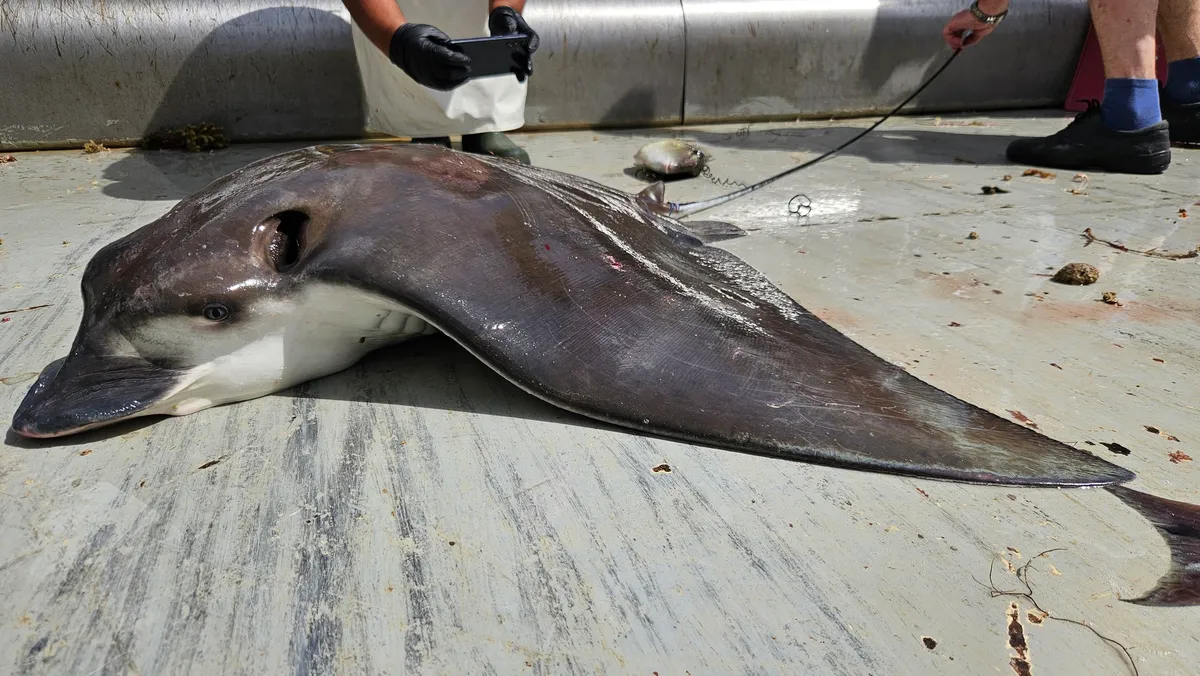
These Nansen missions are essentially oceanographic deep dives: they assess fish stocks, monitor ecosystems, and build scientific skills in the countries they visit. So, while the initial reason for the Nansen's return might be grim, Sri Lanka is now getting an unexpected, vital second bite at the research apple. Sometimes, good news arrives in the strangest, most circuitous ways.