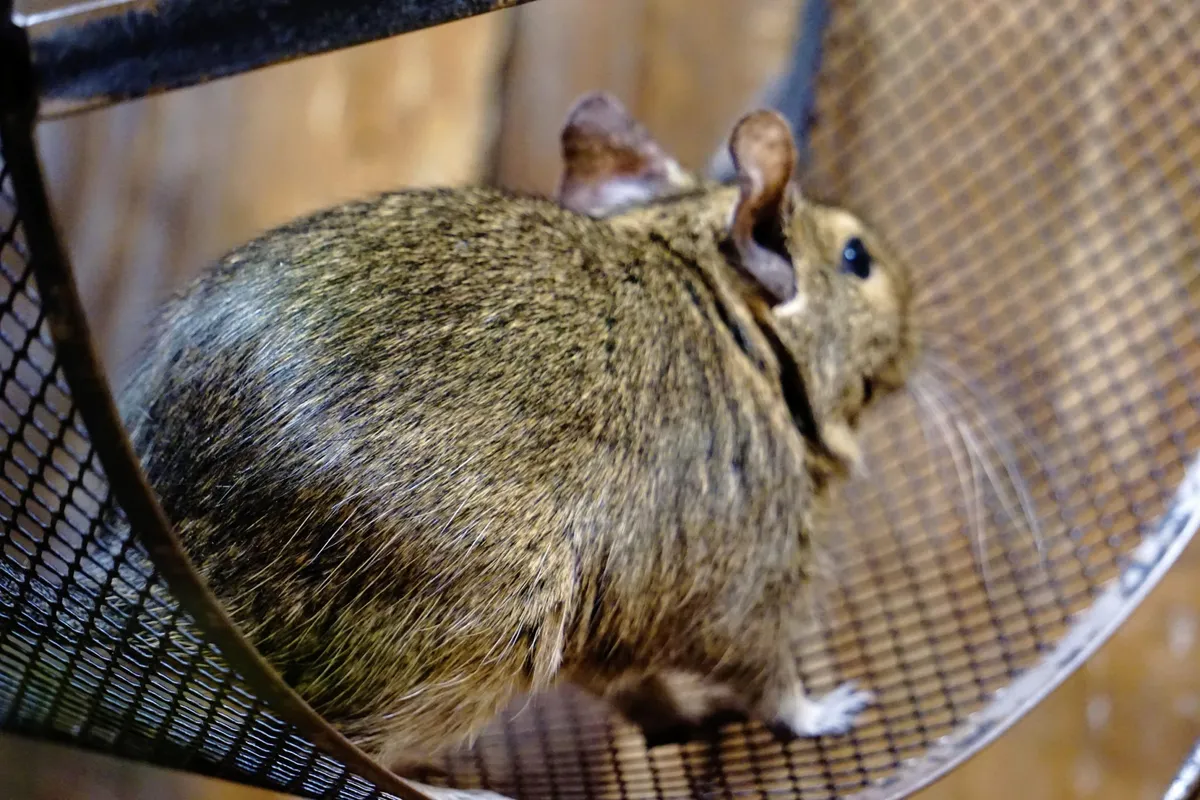
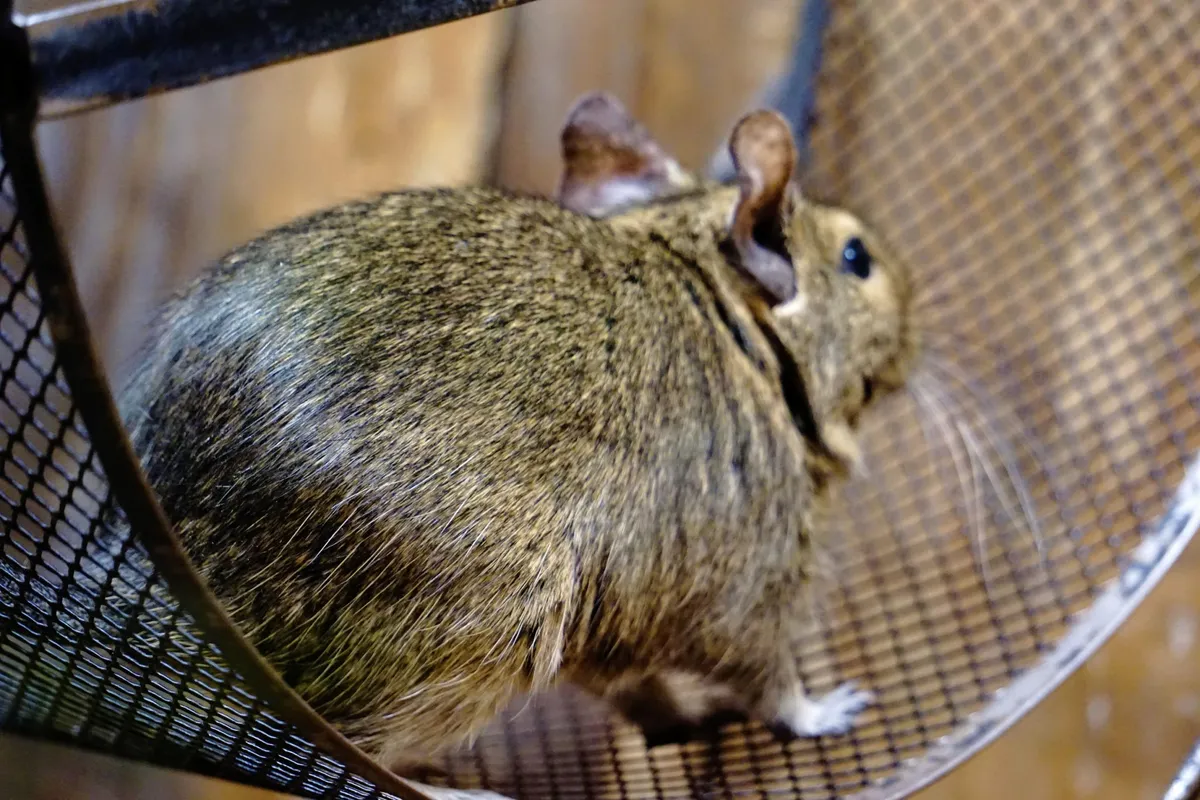
In 2014, scientists did something wonderfully absurd: they put exercise wheels in the great outdoors. Not for captive animals, but for wild ones. And guess what? Wild mice, with all the world's adventures at their tiny paws, found those wheels and ran on them. Sometimes for a solid 18 minutes straight. No training, no treat-based bribery. Just pure, unadulterated wheel-spinning joy.
For decades, scientists had shrugged, figuring wheel-running was just a peculiar quirk of captivity. A hamster's version of Stockholm Syndrome, perhaps. But then the wild mice started doing it, and the game changed.
The Brain's Happy Little Runner's High
Dr. Theodore Garland Jr., a biology professor at UC Riverside, has been pondering this rodent-on-a-wheel phenomenon for over 30 years. His take? Rodents are basically tiny, furry running machines. They've got the lungs, the metabolism, and the expansive "home ranges" built for perpetual motion. A toad, he points out, isn't going to log 10 kilometers in a day. A chipmunk, however? Absolutely. That explains how they can run, but not the burning why.
We're a new kind of news feed.
Regular news is designed to drain you. We're a non-profit built to restore you. Every story we publish is scored for impact, progress, and hope.
Start Your News DetoxSo, why would a creature with actual trees to climb and seeds to forage choose to repeatedly hit the hamster gym? Garland suspects it all comes down to the brain's reward system. Specifically, that delightful chemical messenger called dopamine. Rodents, much like humans after a particularly satisfying workout, seem to get a chemical high from the act of running.
He's even seen mice on large wheels slow down mid-run, seemingly just to ride the wheel through a full rotation before picking up the pace again. For fun, he posits. And while he's careful about assigning human emotions to animals, he admits it's hard to ignore. Think of it as the rodent equivalent of a dog's "zoomies" or a young horse inexplicably galloping across a field. Garland calls it "nip-norting" – those sudden bursts of energy animals expend, apparently, because it just feels good.

Early Birds Get the Running Bug
Garland's research also highlights the power of early access. Mice given wheels right after they stopped nursing (around three weeks old) grew up to be far more avid runners than those introduced to the wheels later in life. He believes something in their little brains changes permanently, their reward system getting a lifelong "tweak."
And here's where it gets really interesting: Garland thinks this applies to humans, too. Children who aren't regularly active might miss out on developing those crucial brain connections that make exercise feel rewarding. If a kid never kicks a ball, they might not ever want to. This isn't just about rodent biology anymore; it's a quiet argument for why cutting physical education from school schedules might have surprisingly profound, long-term effects.
The wild mice weren't trained. They weren't bribed. The desire to run was already there. If that's true for us, and if early exposure is as vital as the mouse data suggests, then the focus shifts. It's not just about convincing adults to hit the gym. It's about ensuring kids get the chance to build those happy brain connections from the very start. Because who doesn't want a little more dopamine in their day?