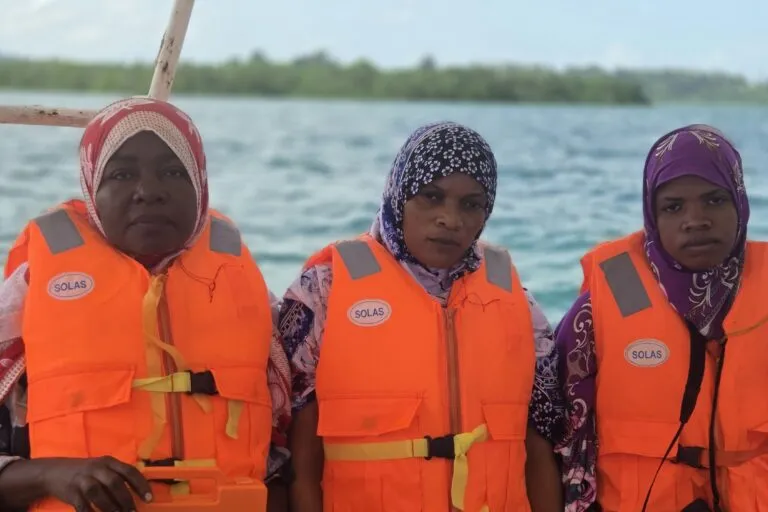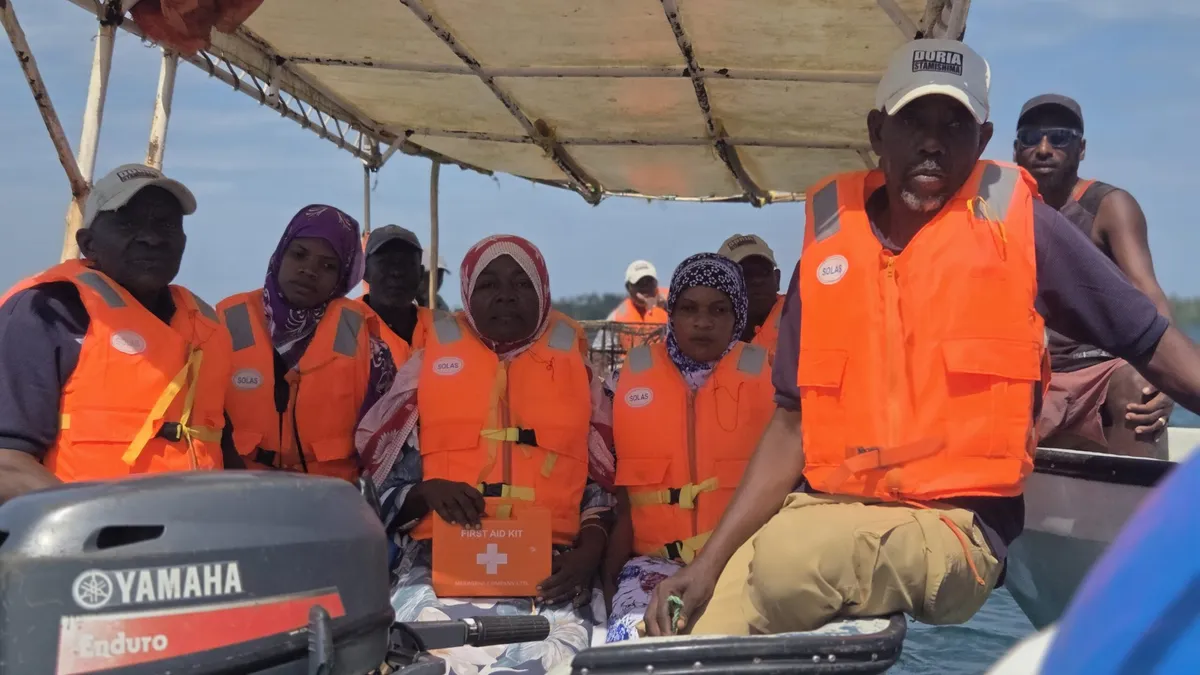
On Tanzania's Pemba Island, patrolling the high seas isn't exactly a traditional gig for women. Unless, of course, you're Amina Gharib Issa, 55, who decided the ocean needed her — and then went and made it happen.
Issa, a fisher for years, watched as the fish numbers dwindled. The local communities, savvy to the problem, started temporarily closing off fishing areas, giving the marine life a much-needed break. Someone, however, had to enforce these new rules. Enter Issa, who apparently decided a good patrol was better than a good sermon.

She's now part of a seven-person community patrol team, venturing out about eight times a month. Their mission: check boats, scrutinize fishing gear, and verify licenses. This often means hours on the water, sometimes in less-than-ideal conditions, all for a cool $8 a day. Because apparently, protecting an ecosystem isn't a get-rich-quick scheme.
We're a new kind of news feed.
Regular news is designed to drain you. We're a non-profit built to restore you. Every story we publish is scored for impact, progress, and hope.
Start Your News DetoxNow, while many women in Pemba are involved in fisheries, actively patrolling alongside men is a bit of a different story. The community is predominantly Muslim, and traditional gender roles are, shall we say, carefully observed. Ali Said Hamad, a member of the Mwambao team and a decades-long veteran of community-led conservation, put it plainly: "Some of the women are not permitted by their husbands." Which, if you think about it, is a pretty succinct explanation for a lack of female sea-patrollers.
For the women who do make it onto the waves, family support is crucial. Issa's husband, for one, backed her decision. Her work isn't just a personal choice; it's a vital piece of a larger, community-driven conservation puzzle. Because sometimes, the most impactful change comes from those who simply decide it's time to get on a boat.