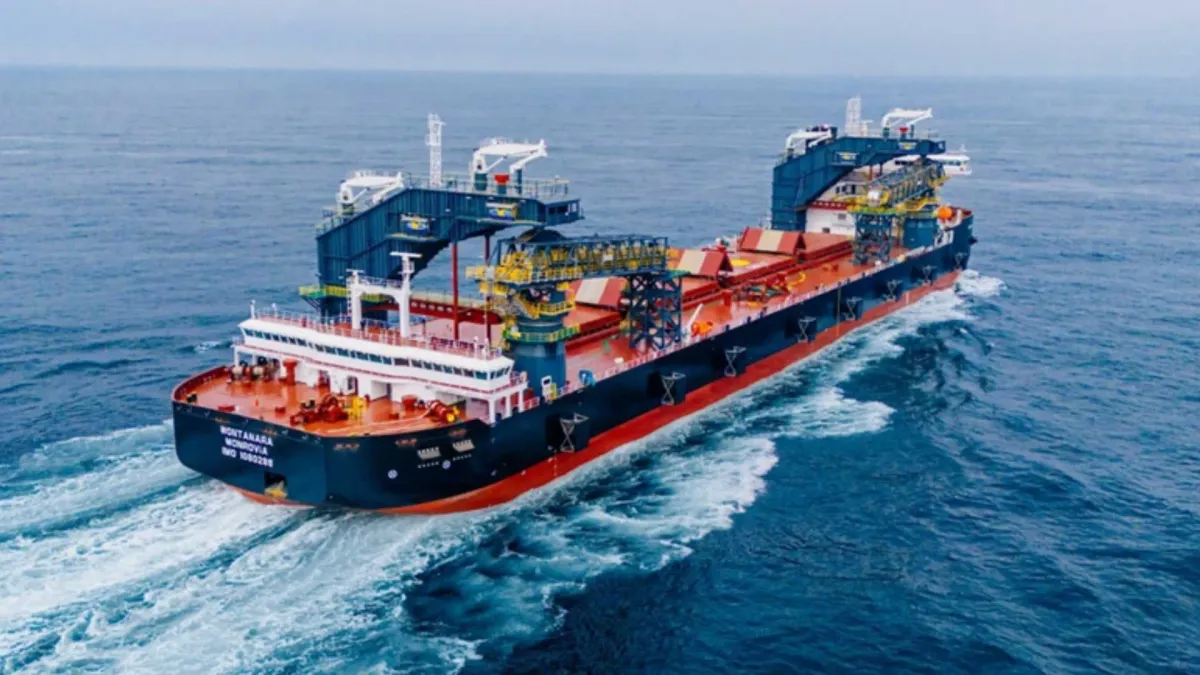
Imagine a ship so big it carries enough iron ore to make you question the structural integrity of your breakfast table, yet it can scoot around shallow waters with the agility of a speedboat. That's the Wontanara, China's latest maritime marvel, and it's not here to play games. It just set three new world records, because apparently, one simply isn't enough.
Built by the China State Shipbuilding Corporation (CSSC), this beast is the first of five gargantuan self-unloading ore carriers designed to tackle one of the planet's largest untapped iron ore deposits in Guinea. Its main gig? Hauling 46,100 U.S. tons of ore from the coast and offloading it onto even bigger ships waiting in deeper waters. Because apparently, that's where we are now: ships so large they need an intermediary to ferry their cargo.
The King of the Shallows
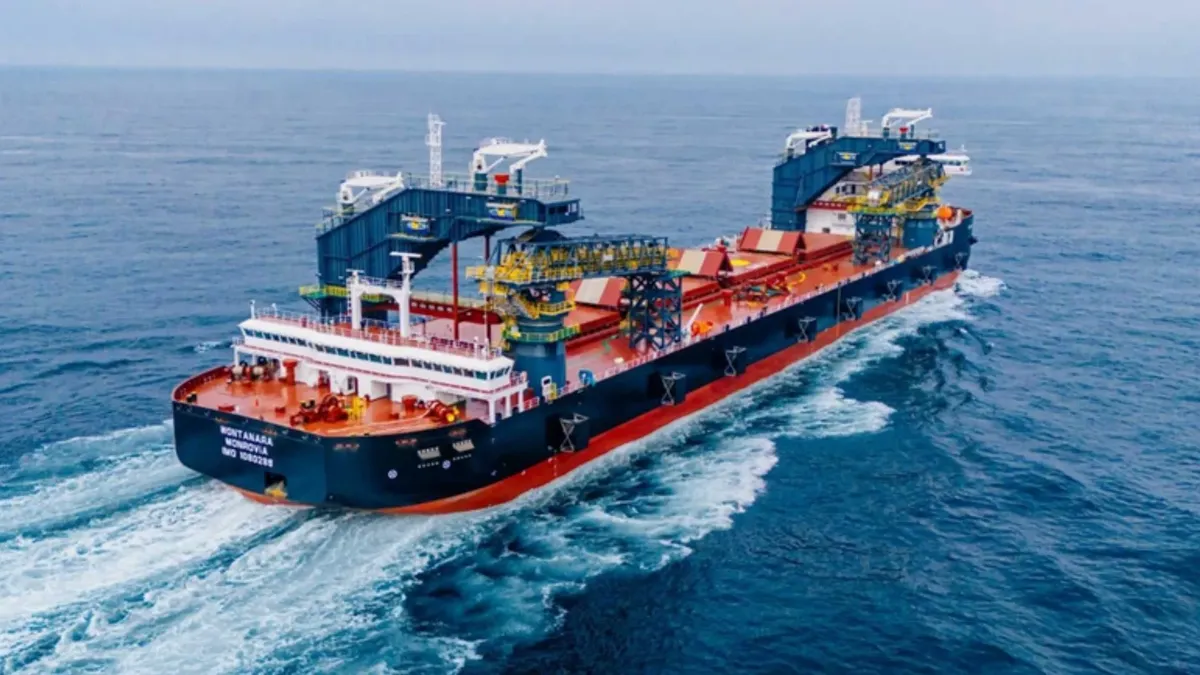
The Wontanara earned its crown as the "king of self-unloading ships" by being the world's largest shallow-water transshipment self-unloader by weight, the fastest specialized self-unloading vessel, and the first bidirectional self-unloader in its size class. Basically, it's the overachiever of the shipping world.
We're a new kind of news feed.
Regular news is designed to drain you. We're a non-profit built to restore you. Every story we publish is scored for impact, progress, and hope.
Start Your News DetoxThese ships are custom-built for Rio Tinto's Simandou project in West Africa, a region holding an iron ore jackpot worth over $24 billion. The catch? Those pesky shallow coastal waters. Most ocean-going ore carriers draw 60 feet or more, which is a no-go for this area. The Wontanara and its siblings, however, operate with a svelte 47.5-foot draft, making them the perfect shuttle service.
And when it comes to unloading, this ship is in a league of its own. It can dump ore at a mind-boggling 13,228 U.S. tons per hour. That's 71% faster than the previous record holder. To put that in perspective, all five of these ships together could fill a 220,462-ton ocean-going bulk carrier in just 24 hours. So if you're ever in a hurry to move mountains of iron ore, you know who to call.
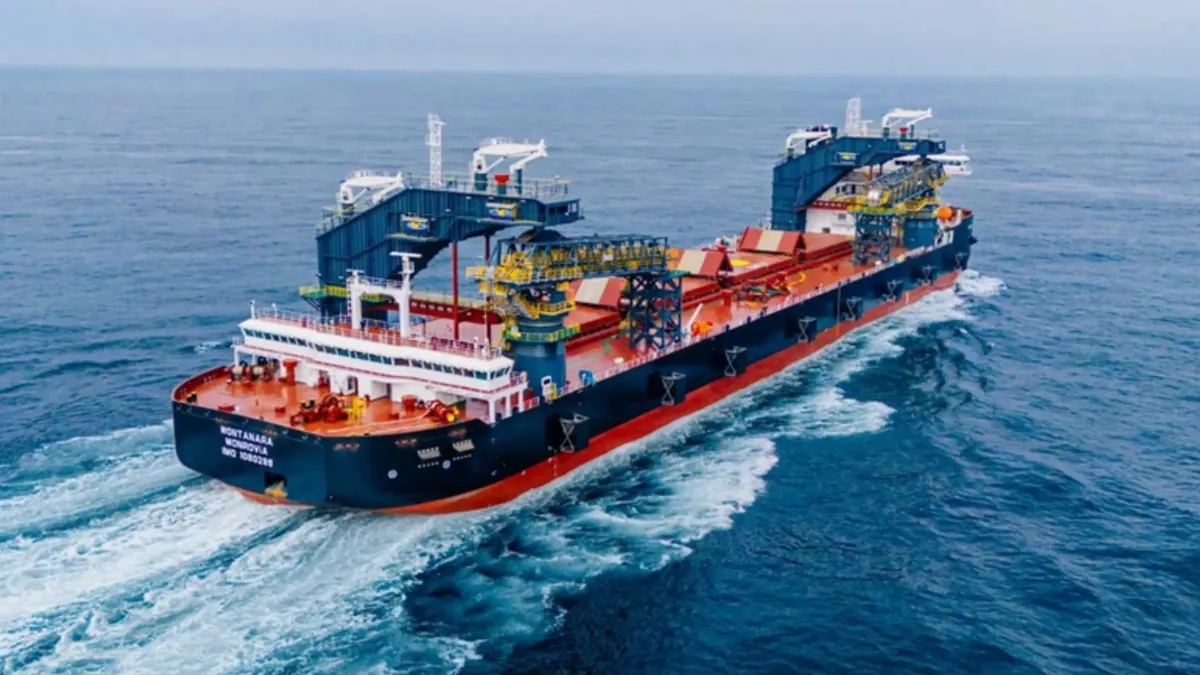
Plus, it can move equally well in both directions, which means less awkward turning in tight spots. It's like having a car that can effortlessly drive backward at highway speeds, only it's a 705-foot-long ship powered by a diesel-electric system and run by a surprisingly small crew thanks to heavy automation.
Construction on the Wontanara started in May 2025 and was finished in a mere 14 months. After a quick 12-day spin in sea trials, it was delivered on July 21. The second vessel is due in October, with the rest joining the fleet by mid-2027. Soon, this fleet will be the backbone of getting Guinea's massive iron ore reserves out to the global market. Which, if you think about it, is both impressive and slightly terrifying.